Party Planning 101: Your Complete Guide
The Golden Rule of Event Planning
Every memorable event begins with one simple question: What experience do I want my guests to have? Answer that honestly, and every decision that follows — the venue, the food, the drinks, the ambiance — becomes dramatically easier.
Step 1: Define Your Event
Before anything else, clarify these four things:
Purpose: Birthday, bridal shower, holiday, casual brunch, milestone anniversary?Size: How many guests? This shapes every other decision.Budget: Establish a realistic total budget and allocate percentages: venue (30%), food & drink (35%), décor (15%), entertainment (10%), miscellaneous (10%).Vibe: Formal, semi-formal, casual, themed?Step 2: Set Your Date & Send Invitations
Notice Schedules (the most overlooked element)
Casual gatherings (under 10 guests): 1–2 weeks notice minimumSmall parties (10–25 guests): 3–4 weeks noticeMedium parties (25–75 guests): 4–6 weeks noticeLarge events (75+ guests): 6–10 weeks notice; save-the-dates at 3 monthsDestination events: 3–6 months notice; save-the-dates at 4 monthsInvitation Essentials
Every invitation must include: Event name/purpose, date and time (with end time), location (full address + parking notes), dress code, RSVP deadline and contact, dietary restriction inquiry, any special instructions.
Recommended platforms: Paperless Post, Evite, Canva (digital); Minted, Artifact Uprising (printed)
Step 3: Plan Your Venue
Consider: Guest capacity, parking availability, kitchen/catering access, indoor/outdoor flexibility, ADA accessibility, noise ordinances, cleanup requirements.
Universal Venue Options:
Private home or backyardRooftop spacesPrivate dining rooms at restaurantsCommunity or recreation centersHotel event spacesGarden venues and botanical gardensStep 4: Build Your Menu
Universal Menu Framework
Hors d'oeuvres (arrival, 30–45 min)
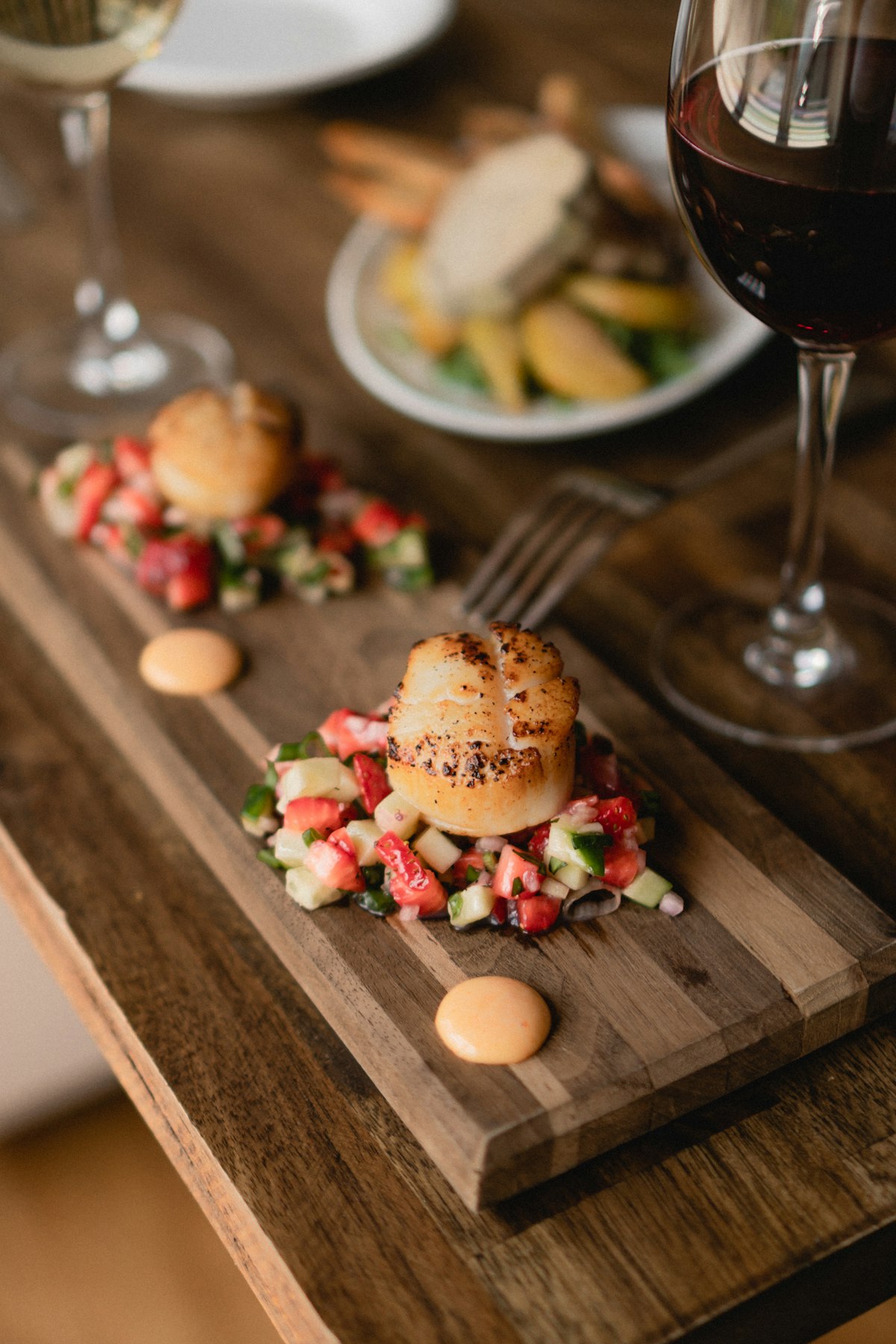
Charcuterie and cheese boardDeviled eggs with caviarBruschetta trioCucumber rounds with smoked salmon cream cheeseMini caprese skewersStarters
Seasonal soup (butternut squash bisque, gazpacho, roasted tomato)Arugula salad with shaved parmesan and lemon vinaigretteShrimp cocktail with house cocktail sauceMain Courses
Eggs Benedict (brunch)Herb-roasted chicken breastPan-seared salmon with lemon butter caper sauceVegetarian: wild mushroom risottoBeef tenderloin (for formal occasions)Desserts
Seasonal fruit tartLavender panna cottaAssorted macaronsClassic crème brûléeChocolate fondant with vanilla bean ice creamStep 5: Beverages
Mimosa Pairings
The mimosa is the centerpiece of any brunch or daytime celebration. A well-curated mimosa bar elevates any event instantly.
Classic Champagne Mimosa: Moët & Chandon Brut NV + fresh Valencia orange juiceRosé Mimosa: Whispering Angel sparkling rosé + fresh raspberry puréeTropical: La Marca Prosecco + fresh mango purée + limeSeasonal: Segura Viudas Cava Brut + blood orange juice (winter/spring)Elevated: Krug Grande Cuvée + fresh-pressed pomegranate (special occasions)Cocktails
Classic Champagne Punch (batch)Aperol Spritz stationSignature seasonal cocktailNon-Alcoholic Beverages
Sparkling water with fresh citrus and herbsFreshly brewed iced tea (unsweetened + sweet)Fresh-pressed lemonadeSparkling mocktail: elderflower, cucumber, sparkling waterCoffee and tea station for afternoon/evening eventsStep 6: The Day-Of Checklist
Confirm all vendor/caterer arrivals 2 hours before guests
Set up bar and ice 90 minutes before
Prepare and plate cold hors d'oeuvres 45 minutes before
Final venue walk-through 30 minutes before
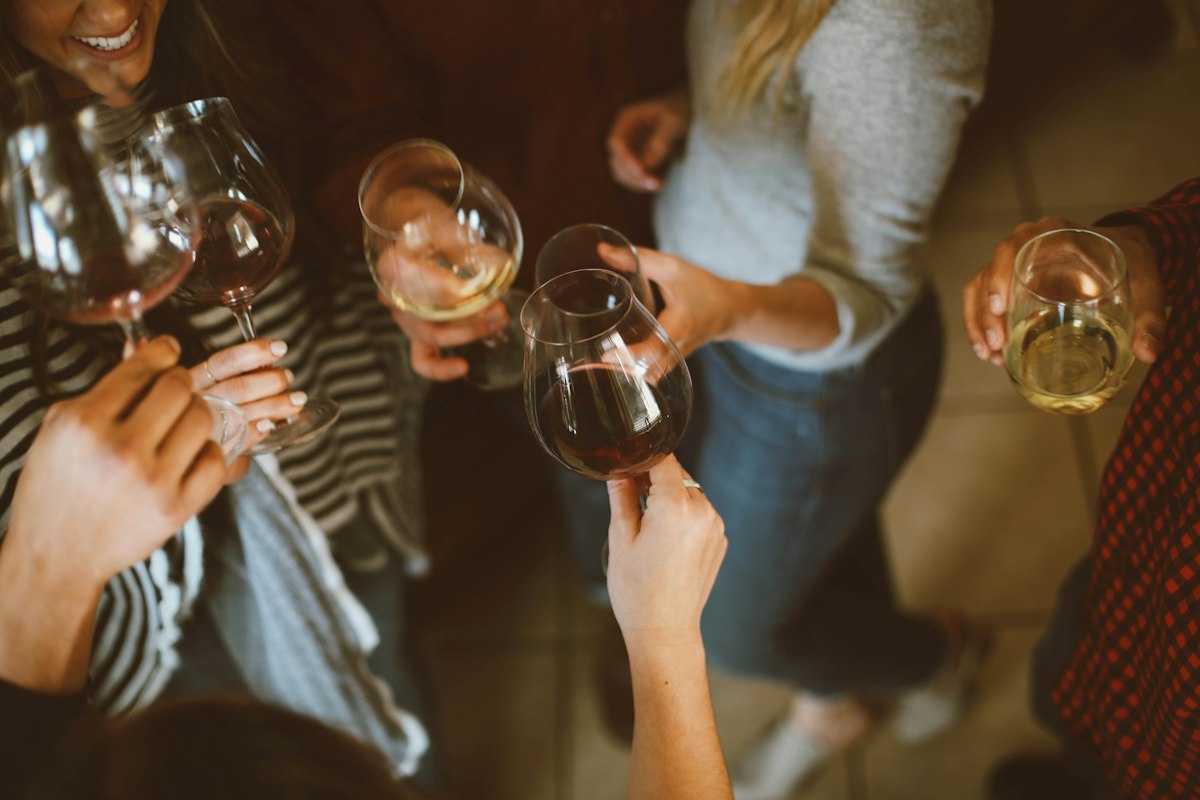
Welcome guests with a beverage in hand — this sets the tone immediately
Pro Tips from Experienced Hosts
1. Always over-prepare on beverages — guests drink more than you expect
2. Have a rain plan for outdoor events, always
3. Music sets energy — create a playlist 50% longer than your event
4. Assign a trusted friend as a day-of coordinator
5. Eat before your guests arrive — hosts who don't eat become poor hosts