Intimate Gatherings: Hosting 2–8 Guests
Why Intimate Is the New Extraordinary
The world's most celebrated chefs, designers, and tastemakers consistently agree: the finest entertaining happens at tables of eight or fewer. At this scale, every conversation is shared, every detail noticed, every guest truly seen. There is nowhere to hide — and nothing to hide behind except genuine warmth and thoughtful preparation.
Planning Timeline & Invitations
Notice Schedule
Weeknight dinner: 1–2 weeks noticeWeekend gathering: 2–3 weeks noticeSpecial occasion (birthday, anniversary): 3–4 weeks noticeInvitation Approach
At this scale, the medium is part of the message. Options by tone:
Formal: Letterpress or engraved card (Crane & Co., Artifact Uprising)Semi-formal: Beautifully designed digital invite (Paperless Post)Casual: Personal text or phone call — the most intimate approach of allWhat to include: Date, time, your home address, parking notes, dress code (even "come as you are" is a dress code), dietary check-in, RSVP by date.
Venue Ideas
Private Home (the gold standard for intimate events)
Your home is the most personal venue possible. Key preparation:
Deep clean common areas 2 days beforeSet the table 24 hours beforePrepare any make-ahead dishes the day beforeCreate ambiance: candles, fresh flowers, curated music playlistAlternative Venues
Private chef's table: Many restaurants offer chef's table experiences for 2–8 guestsWine cellar dining: Some wineries offer cellar dining for small groupsBoutique hotel private dining room: Intimate, staffed, zero cleanupRented villa or vacation home: For weekend retreatsRooftop apartment: Spectacular for sunset gatheringsItems Checklist
Linen tablecloth and matching napkins
Polished silverware and crystal glassware (Champagne flutes + wine glasses)
Fresh flowers (single-stem arrangements per place setting, or one centerpiece)
Place cards (adds formality and intention)
Candles — taper candles for formal, votives for casual warmth
Curated playlist (90 minutes minimum)
Printed or handwritten menu card per guest (optional but exquisite)
Menu for Intimate Gatherings
Hors d'oeuvres (served on arrival)
Hand-passed Blinis with crème fraîche and smoked salmonParmesan tuiles with truffle honeyBurrata crostini with heirloom tomato and basil oilProsciutto-wrapped melon with micro mintStarters (plated)
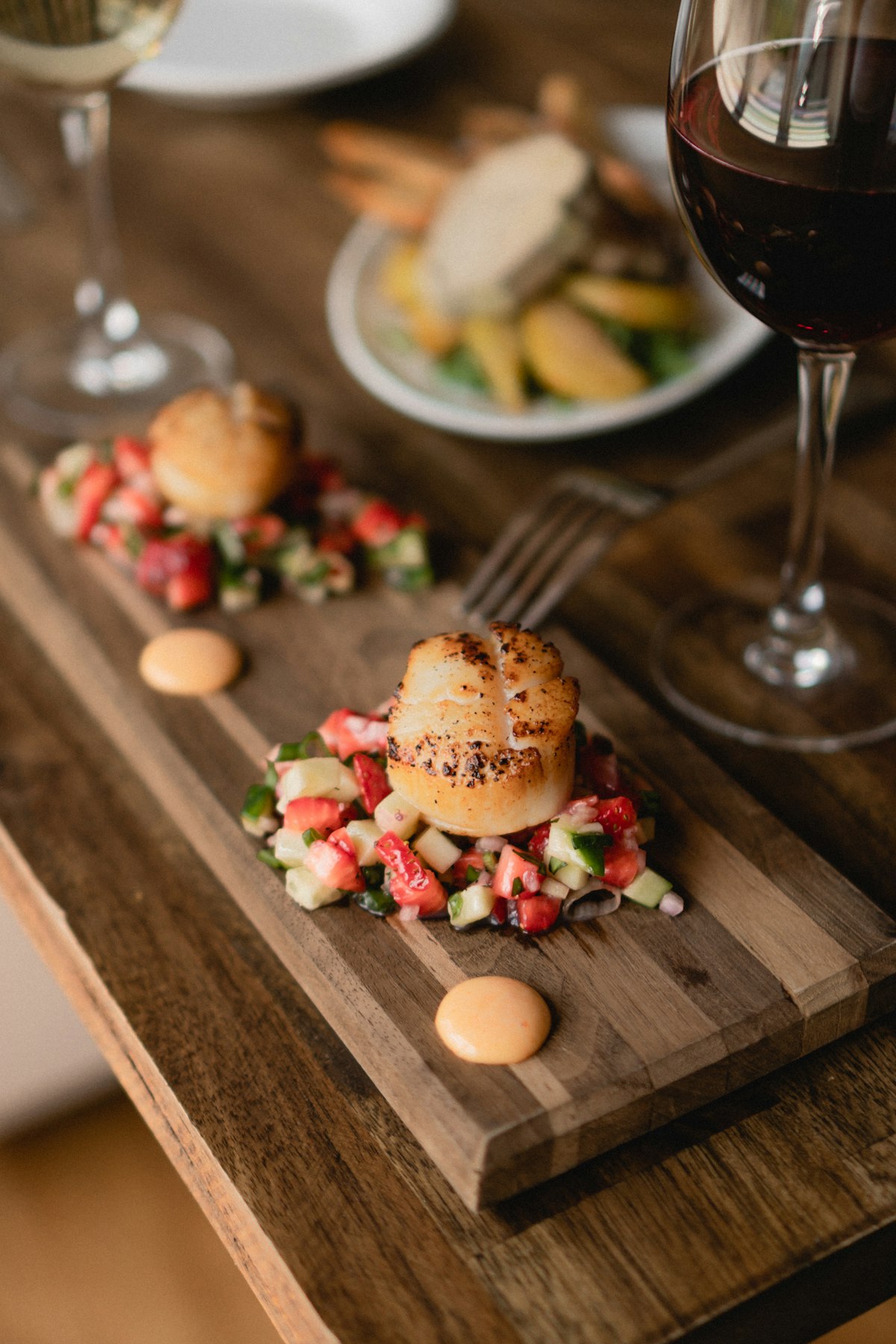
Roasted beet salad with goat cheese, candied walnuts, and orange vinaigretteSeared scallops with cauliflower purée and pancetta crispFrench onion soup with Gruyère crustMain Courses
Rack of lamb with rosemary jus and pommes dauphinoisePan-seared duck breast with cherry reduction and wilted chardWhole roasted sea bass with fennel, olives, and preserved lemonVegetarian: Truffle and wild mushroom WellingtonDesserts
Individual chocolate fondant with salted caramel ice creamLemon posset with shortbread and fresh raspberriesCheese course with honeycomb, fig preserves, and walnut crackersMadeleine tray with coffee serviceBeverage Program
Mimosa Pairings (for daytime or brunch intimates)
Arrival: Classic Champagne Mimosa — Taittinger Brut + fresh-squeezed blood orangeWith hors d'oeuvres: Rosé Mimosa — Billecart-Salmon Rosé + fresh raspberry puréeDessert: Lavender Elderflower Mimosa — Ruinart Blanc de Blancs + lavender syrup + lemonEvening Cocktails
Welcome drink: Kir Royale (Veuve Clicquot + crème de cassis) passed on arrivalPre-dinner: Classic Negroni or French 75 as an aperitifWith dinner: Curated wine pairings per courseNon-Alcoholic
Sparkling water with fresh cucumber and mint (always on table)House-made shrub soda (apple cider vinegar, honey, fresh ginger, sparkling water)Freshly brewed pour-over coffee and artisanal teas at dessertThe Host's Secret Weapons
1. Cook 80% ahead of time — your presence at the table is the final ingredient
2. Light the candles 30 minutes before guests arrive — never scramble with matches mid-greeting
3. Greet every guest at the door with a drink in hand, already poured
4. Never apologize for the food — if something goes wrong, pivot gracefully and say nothing
5. End on time — knowing when to conclude is as important as knowing how to begin