Travel
Tuscany: Vineyards, Villas & the Art of the Italian Slow Life
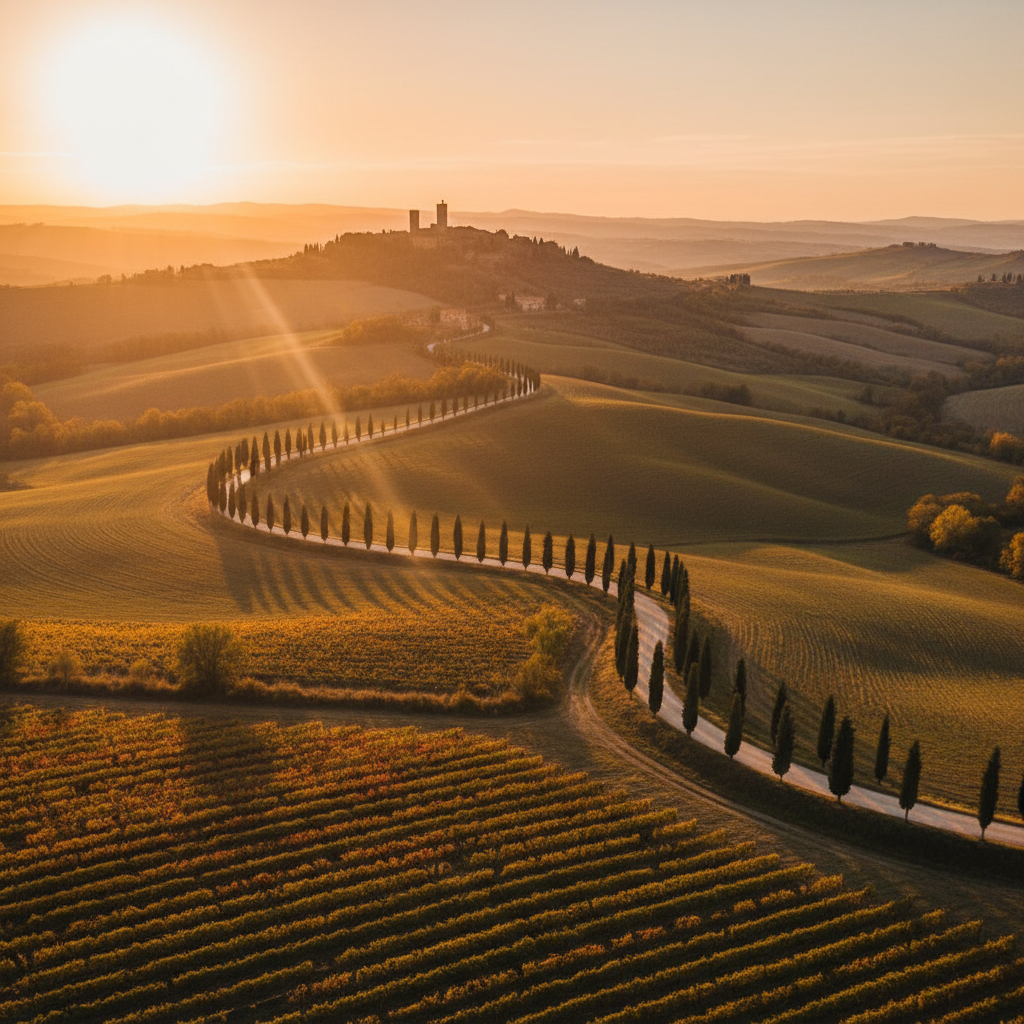
Tuscany is not merely a destination — it is an argument for a different pace of life. Rolling hills planted with vines and olive groves, Renaissance cities built at human scale, and a food and wine culture that has spent five centuries being perfected.
Tuscany is not merely a destination — it is an argument for a different pace of life. Rolling hills planted with vines and olive groves, Renaissance cities built at human scale, and a food and wine culture that has spent five centuries being perfected. The Tuscan countryside — the Val d'Orcia, the Chianti Classico zone, the olive-covered hillsides above Florence — is one of the most recognisably beautiful landscapes on earth, and it delivers in person everything the photographs have promised.
The region rewards deliberate travel: a wine estate as a base rather than a city hotel, mornings in the market rather than a queue at the Uffizi, lunch extending into the afternoon in the way that only Italian lunches do. This is the version of Tuscany that counts.
Where to Stay: The Great Tuscan Estates
Borgo Santo Pietro (borgosantopietro.com) near Chiusdino in the southern Maremma is the most beautifully realised agriturismo in Italy — a 13th-century hamlet set in 300 acres of organic gardens, vineyards, orchards, and biodynamic farmland. The rooms and suites are furnished with antiques and artisan pieces collected over decades; the spa is the finest in Tuscany; and the restaurant, Meo Modo, holds a Michelin star for cuisine built almost entirely from the estate's own production. Suites from €800/night. borgosantopietro.com.
Villa San Michele (villasanmichele.com) above Fiesole — a 15-minute drive from Florence — is a former Franciscan monastery with a facade attributed to Michelangelo and gardens that look directly across to the Brunelleschi dome. The 46 rooms and suites are in the original monastery buildings; the loggia restaurant is where Florence comes to celebrate. Suites from €1,500/night.
Castello di Vicarello (castellodvicarello.com) near Grosseto in the Maremma is the Tuscany that travel magazines struggle to describe because it is too specific: eight suites in a medieval castle tower, run by the Baccheschi Berti family, surrounded by 1,000 acres of organic vineyard and olive grove. No children under 14. From €550/night.
The Chianti Classico Wine Route
The Strada del Vino Chianti Classico (chianticlassico.com) runs south from Florence through Greve in Chianti, Panzano, Radda, and Gaiole — a sequence of hilltop towns, each with its own wine estates, enoteca, and butcher (the Chianina beef of the Val di Chiana is among Italy's finest). Antinori nel Chianti Classico (antinorinelchianticlassico.it) is the most architecturally dramatic of the estates — the new winery designed by Archea Associati cuts into the hillside below the Tignanello vineyards like a geological formation, with public tasting rooms and a restaurant of serious quality.
For a more intimate estate experience, Fontodi (fontodi.com) in Panzano is the reference point for pure Sangiovese expression — their Flaccianello della Pieve, a single-vineyard Sangiovese, consistently ranks among Italy's great wines.
Florence: The Museums, the Markets, the Eats
The Uffizi Gallery (uffizi.it/en/the-uffizi) houses the world's greatest collection of Italian Renaissance paintings — Botticelli's Birth of Venus, Leonardo's Annunciation, Titian, Raphael, Caravaggio. Pre-book tickets months in advance. The Vasari Corridor, which connects the Uffizi to the Palazzo Pitti across the Arno via the Ponte Vecchio, is accessible only by private guided tour and contains portraits of considerable rarity.
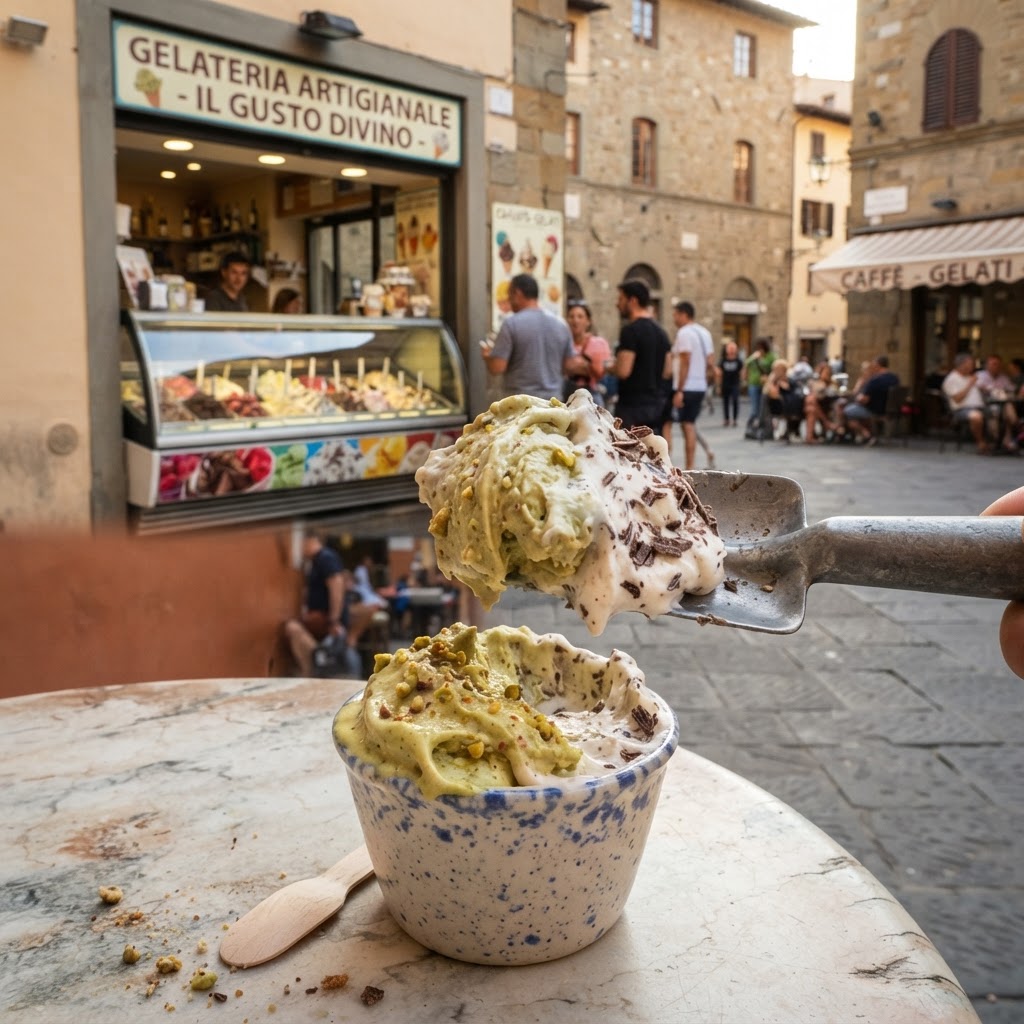
For Florentine food, Buca Mario (bucamario.it) — opened in 1886 and claiming to be Florence's oldest restaurant — is the address for bistecca alla Fiorentina (a minimum 2 ⅔ lb Chianina T-bone, cooked rare over charcoal, seasoned with nothing but olive oil and salt). For the finest Negroni in the city, Bar Basso opened it in 1972 and the formula has not been improved upon.
Getting There
Florence Peretola Airport (FLR) receives flights from major European hubs. Pisa Galileo Galilei Airport (PSA) — 80km west — offers more connections including Ryanair routes from across Europe. Rome Fiumicino (FCO) to Florence by high-speed Italo or Frecciarossa train takes 1h30m.
Reference Links:
- Borgo Santo Pietro: borgosantopietro.com
- Chianti Classico Consortium: chianticlassico.com
- Uffizi Gallery tickets: uffizi.it/en/the-uffizi
- Antinori wine estates: antinori.it
- Italian agriturismo guide: agriturismo.it
Continue Reading