Travel
Tokyo: Michelin Stars, Ryokans & the Art of the Japanese Luxury Experience
Tokyo has more Michelin-starred restaurants than any other city on earth — more than Paris, London, and New York combined. It is also one of the world's most complex, refined, and consistently surprising cities to navigate as a luxury traveller. This is the definitive guide to doing it properly.
Tokyo has more Michelin-starred restaurants than any other city on earth — 226 at the most recent count, exceeding Paris (124), London (73), and New York (65) combined. It is a statistic that reflects a broader truth about Tokyo: in this city, the culture of craft, precision, and obsessive refinement that defines Japanese aesthetics extends through every form of hospitality, from a bowl of ramen in a 10-seat neighbourhood shop to a 20-course kaiseki dinner in the hands of a Living National Treasure chef. The quality ceiling is, in Tokyo, exceptionally high.
The city is simultaneously one of the world's most overwhelming and most navigable — a metropolis of 14 million in the greater metropolitan area, yet one of the safest, cleanest, and most efficiently organised cities on earth, with a public transit system (tokyometro.jp/en) so comprehensive and punctual that locals synchronise their movements to the second.
Where to Stay: Tokyo's Great Hotels
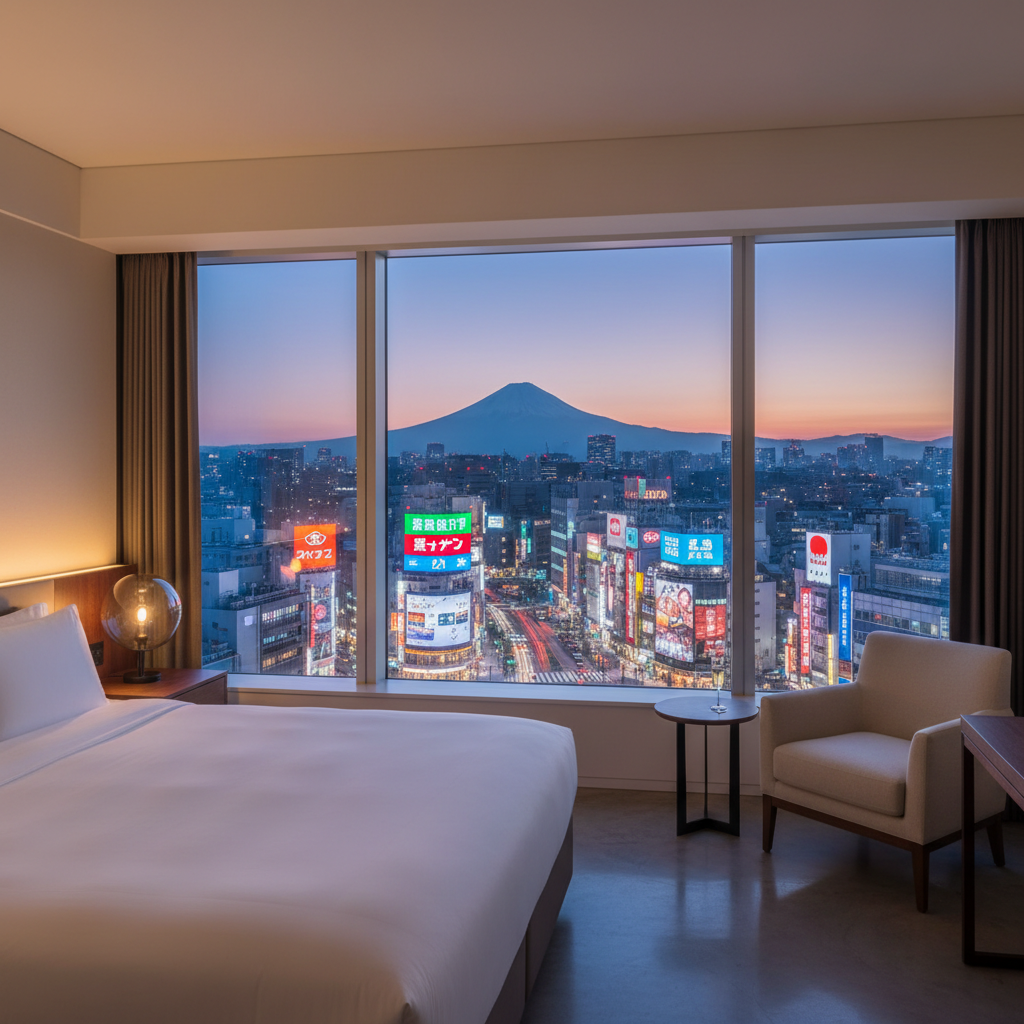
Aman Tokyo (aman.com/hotels/aman-tokyo) in the Otemachi financial district is the finest hotel in the city — occupying the top six floors of the Otemachi Tower with views from its floor-to-ceiling windows across the Imperial Palace gardens (the largest green space in central Tokyo) to Mount Fuji on clear days. The 84 rooms and suites combine the scale (ceiling heights of 5.8 metres, bathrooms of 50+ square metres) with traditional Japanese materials — washi paper screens, hinoki cypress bathtubs, volcanic stone walls — in a synthesis that is both modern and deeply Japanese. The spa, with its 30-metre indoor pool, onsen (natural spring bath), and traditional hammam, is the finest hotel spa in Tokyo. Suites from $3,000/night.
The Park Hyatt Tokyo (hyatt.com/park-hyatt/tyoph-park-hyatt-tokyo) in Shinjuku is the hotel that entered global popular culture via Lost in Translation (2003) and remains, two decades later, a work of genuine architectural distinction — the top 14 floors of the Shinjuku Park Tower, with views of the city and (weather permitting) Mount Fuji from every room. The New York Bar, with its live jazz and 200-label whisky collection, is an institution. Suites from $1,500/night.
The Peninsula Tokyo (peninsula.com/en/tokyo/5-star-luxury-hotel-in-tokyo) on the Imperial Palace moat in Yurakucho is the most refined European-style luxury hotel in Tokyo — impeccable service, spectacular rooms, and the Peter restaurant on the 24th floor overlooking the city. Suites from $1,800/night.
The Tokyo Restaurant Universe
Navigating Tokyo's restaurant world requires both a guide and a philosophy. The following represent benchmarks at different price points and styles.
For sushi, the benchmark is Sukiyabashi Jiro Honten (Jiro Dreams of Sushi, 2011) in the Ginza subway station — 10 seats, no menu, no reservations available through conventional channels, and arguably the most famous sushi restaurant in the world. The more accessible route to Tokyo's finest sushi is through the omakase counters of Saito, Harutaka, or Sushi Saito in Akasaka (three Michelin stars) — all bookable through the hotel concierge at Aman or Peninsula, who maintain relationships with these restaurants for guests.
For kaiseki (Japanese formal multi-course dining), Kichisen in Kitayama, Kyoto is the ultimate expression, but within Tokyo, Kanda (kandaweb.com) in Minami-Aoyama — three Michelin stars — is considered the finest kaiseki restaurant in the city. The 10-seat counter, managed by chef-owner Hirohisa Kanda, serves a single daily menu of 12–14 courses built entirely around the seasonal produce of that morning's market.
For ramen — Tokyo's most beloved everyday food — Fuunji in Shinjuku produces a tsukemen (dipping ramen) with a rich chicken and dashi broth that is worth the queue. For tempura, Kondo (tempura-kondo.com) in Ginza (two Michelin stars) is the standard-bearer: chef Fumio Kondo's seasonal tempura, with an emphasis on vegetables sourced from specific farms, is a revelation.
Neighbourhoods Worth Knowing
Ginza is Tokyo's equivalent of Bond Street and Fifth Avenue combined — the flagship stores of Hermès (designed by Renzo Piano), Chanel, Louis Vuitton, Mikimoto (the pearl jeweller founded here in 1899), and every major Japanese luxury brand. The Tsukiji Outer Market (despite the main fish auction moving to Toyosu) remains the world's greatest concentration of seafood retailers and sushi restaurants.
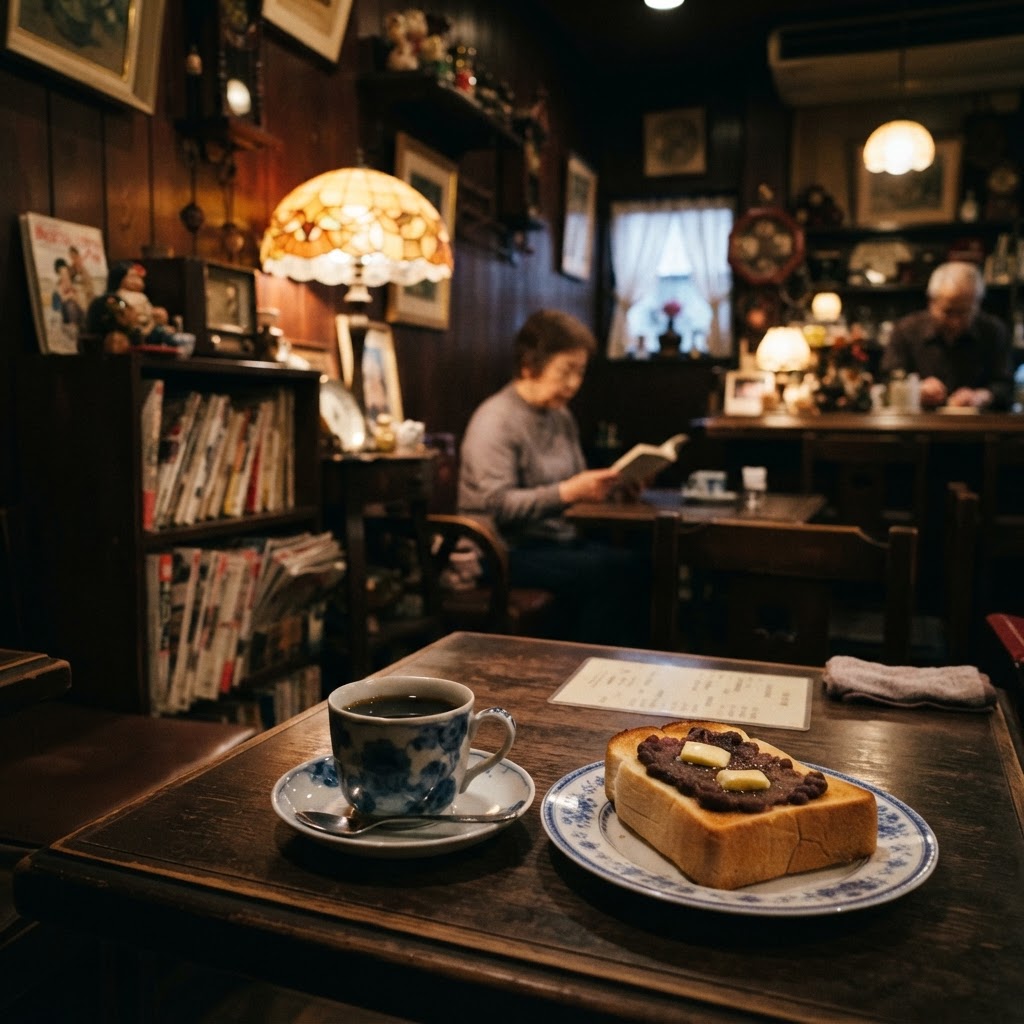
Yanaka is old Tokyo preserved — a neighbourhood of wooden machiya townhouses, small shrines, independent shops, and a genuine pre-war atmosphere that survived the 1923 earthquake, the 1945 firebombing, and the subsequent rebuilding that erased most of historic Tokyo. It is the antidote to Shibuya's neon overload.
Getting There
Narita International Airport (NRT) and Haneda Airport (HND) both serve Tokyo. Haneda is closer to the city centre and is served by more premium carriers including British Airways, Qantas, and Delta. The Narita Express (N'EX) connects Narita to Tokyo Station in 53 minutes. Japan Rail Pass (japanrailpass.net) holders can use the Shinkansen bullet train network for intercity travel — the Tokyo–Kyoto journey takes 2 hours 15 minutes on the Nozomi.



Continue Reading