Travel
Paris in Spring: The Grand Hotels, the Bistros & the City at Its Most Beautiful
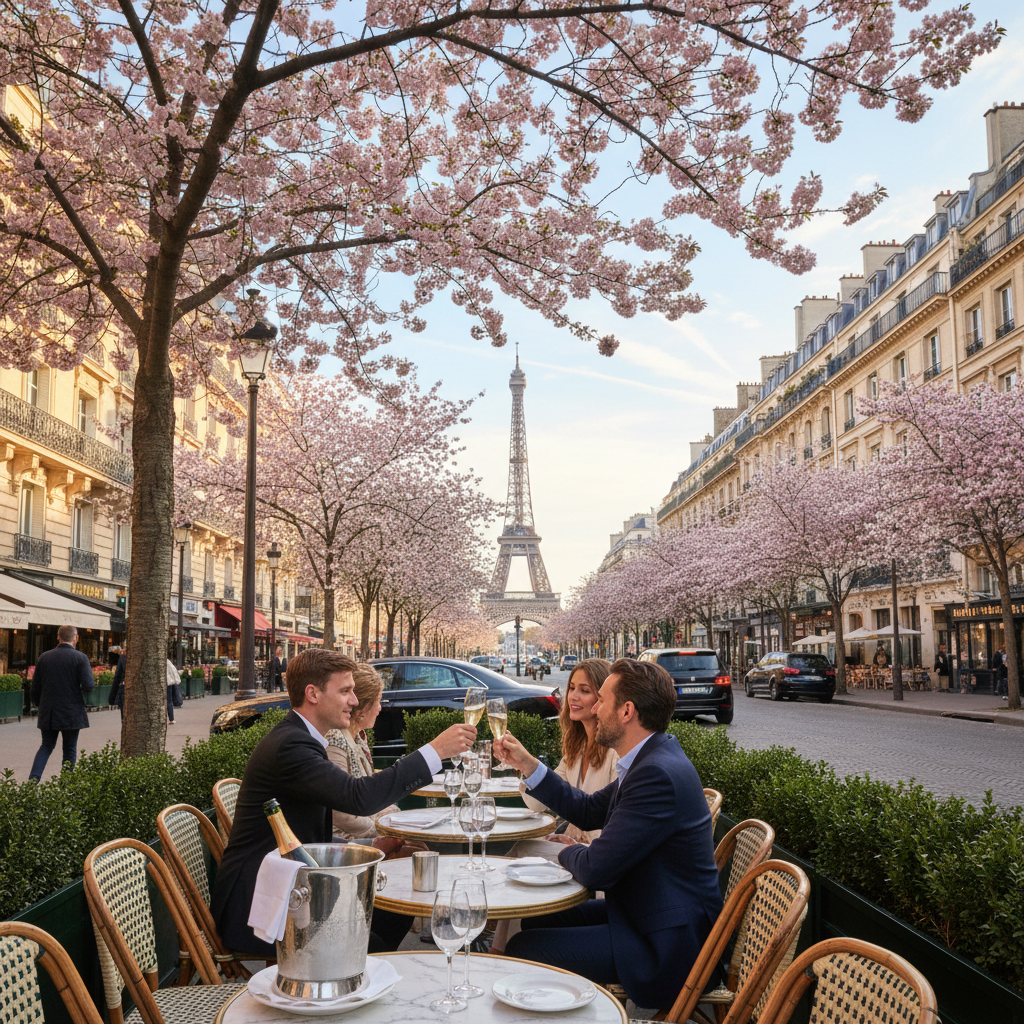
Paris in April and May is not a cliché — it is genuinely one of the world's great seasonal travel experiences. The horse chestnuts in the Tuileries, the café terraces filling as the light extends into the evening, the Seine glittering in the softer spring sun.
Paris in April and May is not a cliché — it is genuinely one of the world's great seasonal travel experiences. The horse chestnuts in the Tuileries bloom white and pink. The café terraces fill in the evenings as the light extends past 9pm. The Seine glitters in the softer spring sun, and the city's limestone buildings acquire a warmth that the grey winter months had made impossible to imagine. The tourist season has not yet peaked, the queues at the major museums are manageable, and the restaurants are running at full creative intensity after the January and February slow season.
Paris is the city that invented the modern concept of luxury hospitality — the Palace Hotel classification, the restaurant star system, the notion of haute cuisine as an art form. It remains the reference point against which every other city's hospitality is measured.
Where to Stay: The Palace Hotels
France's Palace Hotel designation (distinct from the five-star classification) is awarded to hotels that meet the highest criteria of historical significance, architecture, service, and cuisine. There are currently 35 Palace Hotels in France, of which eight are in Paris.
Le Bristol Paris (oetkercollection.com/hotels/le-bristol-paris) on the Rue du Faubourg Saint-Honoré is the most liveable of the Paris Palaces — less theatrical than the Ritz, more architecturally residential, and home to Épicure, the three-Michelin-star restaurant of Eric Frechon, which serves the most technically accomplished version of classical French cuisine currently available in Paris. The rooftop pool, the largest in Paris, offers a view over the 8th arrondissement rooftops that is genuinely worth the room rate. Suites from €3,000/night.
The Ritz Paris (ritzparis.com) on Place Vendôme is the hotel that invented the word 'ritzy' and the Ritz-Carlton hotel brand, and it remains, after its €450 million renovation in 2016, the most storied address in the city. César Ritz opened it in 1898; Coco Chanel lived here for 34 years; Hemingway liberated the bar in 1944. The Hemingway Bar, run by head bartender Colin Peter Field since 1994, is widely regarded as the finest hotel bar in the world. Suites from €5,000/night.
Rosewood Paris (rosewoodhotels.com/paris) in the Hôtel de Crillon at Place de la Concorde — following a six-year, €200 million renovation — is the most architecturally magnificent of the Paris Palaces: a former royal palace designed by Ange-Jacques Gabriel for Louis XV in 1758. Les Ambassadeurs, the grand dining room, was restored to its 18th-century splendour. Suites from €4,000/night.
The Restaurants: From Three Stars to Zinc Counters
L'Ambroisie (bernard.pacaud.fr) at Place des Vosges in the Marais is the most enigmatic three-Michelin-star restaurant in Paris — no website beyond a single page, no lunch service except Saturday, famously resistant to fashion and trend. Bernard Pacaud has been cooking classical French cuisine here since 1987 and has held three stars since 1988. The saddle of lamb, the tarte fine, and the chocolate marquise are among the most refined plates in French gastronomy.
For the Paris bistro experience at its most authentic, Septime (septime-75.fr) in the 11th arrondissement is consistently booked six weeks in advance and consistently worth the effort — natural wines, vegetables-forward modern French cooking, and a room that feels genuinely Parisian without the self-consciousness of a designed atmosphere.
For a zinc counter, a glass of Muscadet, and a dozen Belon oysters, Le Baron Rouge (lebaronrouge.net) near the Marché d'Aligre in the 12th arrondissement has been doing exactly this since 1979.
The Marais & the Galleries
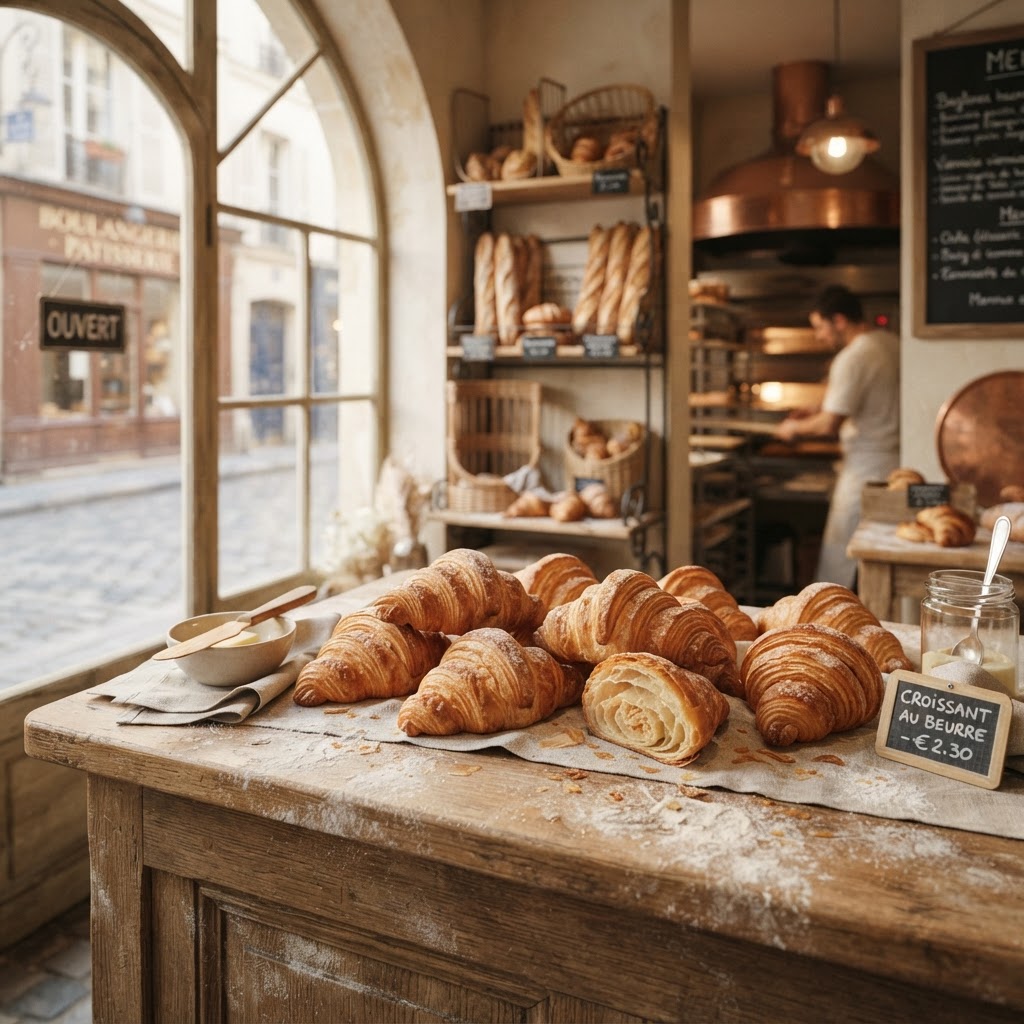
The Marais — the 3rd and 4th arrondissements, centred on the Place des Vosges — is Paris's most concentrated cultural neighbourhood: the Picasso Museum (musee-picasso.fr), the Musée Carnavalet (history of Paris), the Centre Pompidou (centrepompidou.fr), and hundreds of independent contemporary art galleries. The Place des Vosges itself — the oldest planned square in Paris, built by Henri IV in 1612 — is perfect for a Sunday morning with a croissant from a boulangerie on the rue de Bretagne.
Getting There
Charles de Gaulle Airport (CDG) is served by direct flights from every major North American and global city. The RER B train connects CDG to central Paris (Châtelet-Les Halles) in 30 minutes for €11.80. The Paris Métro (ratp.fr) is the most efficient urban rail system in the world for navigating the city.
Reference Links:
- Le Bristol Paris: oetkercollection.com/hotels/le-bristol-paris
- Ritz Paris: ritzparis.com
- L'Ambroisie restaurant: lacuisinedebernardpacaud.fr
- Centre Pompidou: centrepompidou.fr
- Paris tourist board: parisjetaime.com
Continue Reading