Travel
Kyoto: Ancient Temples, Kaiseki Cuisine & the Quiet Art of Japanese Travel
Kyoto was Japan's imperial capital for over a thousand years — from 794 to 1869 — and the cultural and spiritual weight of that history is present in every district of the city. The 17 UNESCO World Heritage Sites, the 1,600 Buddhist temples and 400 Shinto shrines, the surviving machiya townhouse streetscapes of Gion.
Kyoto was Japan's imperial capital for over a thousand years — from 794 to 1869 — and the cultural and spiritual weight of that history is present in every district of the city. The 17 UNESCO World Heritage Sites, the 1,600 Buddhist temples and 400 Shinto shrines, the surviving machiya townhouse streetscapes of Gion and Nishiki, the kaiseki cuisine tradition that represents perhaps the most refined seasonal cooking culture in the world — Kyoto is not just Japan's cultural capital in a metaphorical sense. It is the literal repository of Japan's aesthetic civilisation, and it rewards the traveller who arrives with time, patience, and an appetite for the quiet over the spectacular.
Where to Stay: Ryokan & Luxury Hotel
Aman Kyoto (aman.com/hotels/aman-kyoto) is the finest new luxury hotel in Japan — hidden within the grounds of the northern Kyoto mountains, accessible by a forest path from the Kinkaku-ji garden, and designed by Kerry Hill Architects in a synthesis of traditional Japanese spatial philosophy and contemporary material elegance that is among the most beautiful room interiors in the world. The onsen bath draws from a natural spring; the private tea house in each suite is accessed through a bamboo garden; the kaiseki restaurant uses produce from the Aman's own Kyoto farm. Suites from ¥250,000/night.
Suiran Kyoto (suirankyoto.com), a Luxury Collection hotel by Marriott, occupies a spectacular position on the Oi River in Arashiyama — the bamboo grove district on Kyoto's western edge — with rooms facing directly across the river to the mountains. The traditional machiya building materials and the ryokan-influenced room design (futon service available on request, in-room cypress ofuro bath) make it the most authentic luxury ryokan experience available at an international hotel brand level. Suites from ¥80,000/night.
For the traditional full ryokan experience, Hiiragiya Ryokan (hiiragiya.co.jp) in the Kawaramachi district — operating since 1818 — is the most distinguished traditional inn in Kyoto, with guest lists that have included Charlie Chaplin, Pierre Cardin, and numerous heads of state. The multi-course kaiseki dinner served in the room by kimono-dressed attendants is the defining ryokan experience. From ¥50,000/person including dinner.
Kaiseki: The Art of Seasonal Japanese Cuisine
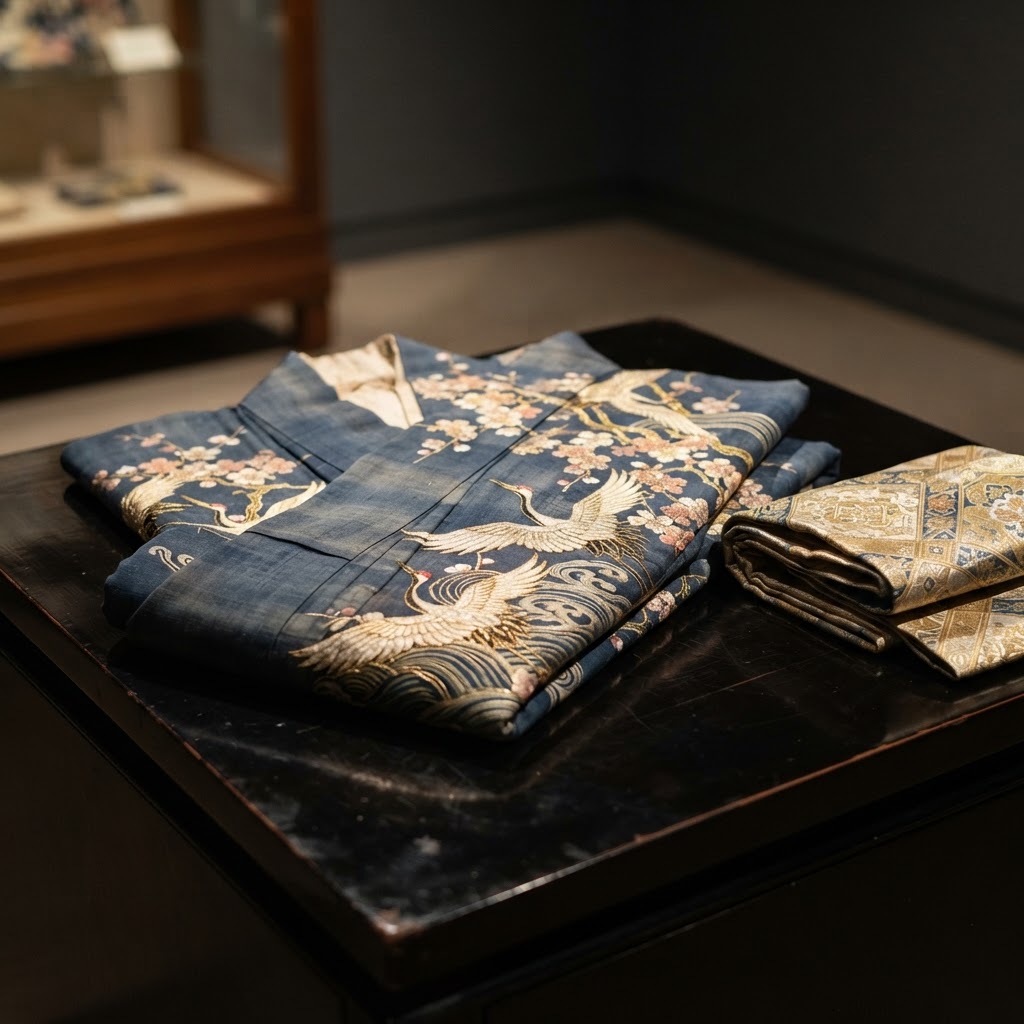
Kaiseki is the highest expression of Japanese cuisine — a multi-course meal structured around the seasons, in which each dish uses ingredients at their precise moment of perfection, presented in vessels and lacquerware that reflect the aesthetic of the season as much as the flavour of the food. Kyoto is its birthplace — the cuisine evolved from the tea ceremony's light meal (chakaiseki) in the 16th century.
Kichisen (kichisen.co.jp) in Kitashirakawa — three Michelin stars and consistently ranked among the finest restaurants in the world — is the ultimate kaiseki destination. Owner-chef Kunio Tokuoka is a direct heir to the kaiseki tradition of the Urasenke school. Reservations require a Japanese-speaking intermediary (most top Kyoto hotels provide this service) and are typically booked 3–6 months in advance. Dinner from ¥60,000/person.
Hyotei (hyotei.co.jp) near the Heian Shrine — three Michelin stars, operating since 1837 through 15 generations of the Takahashi family — is the most historically continuous kaiseki restaurant in existence. The signature dish, kano tamago (a slow-cooked egg at a precise temperature for 30 minutes, served in dashi), has appeared on every menu for a century.
Gion: The Geisha District
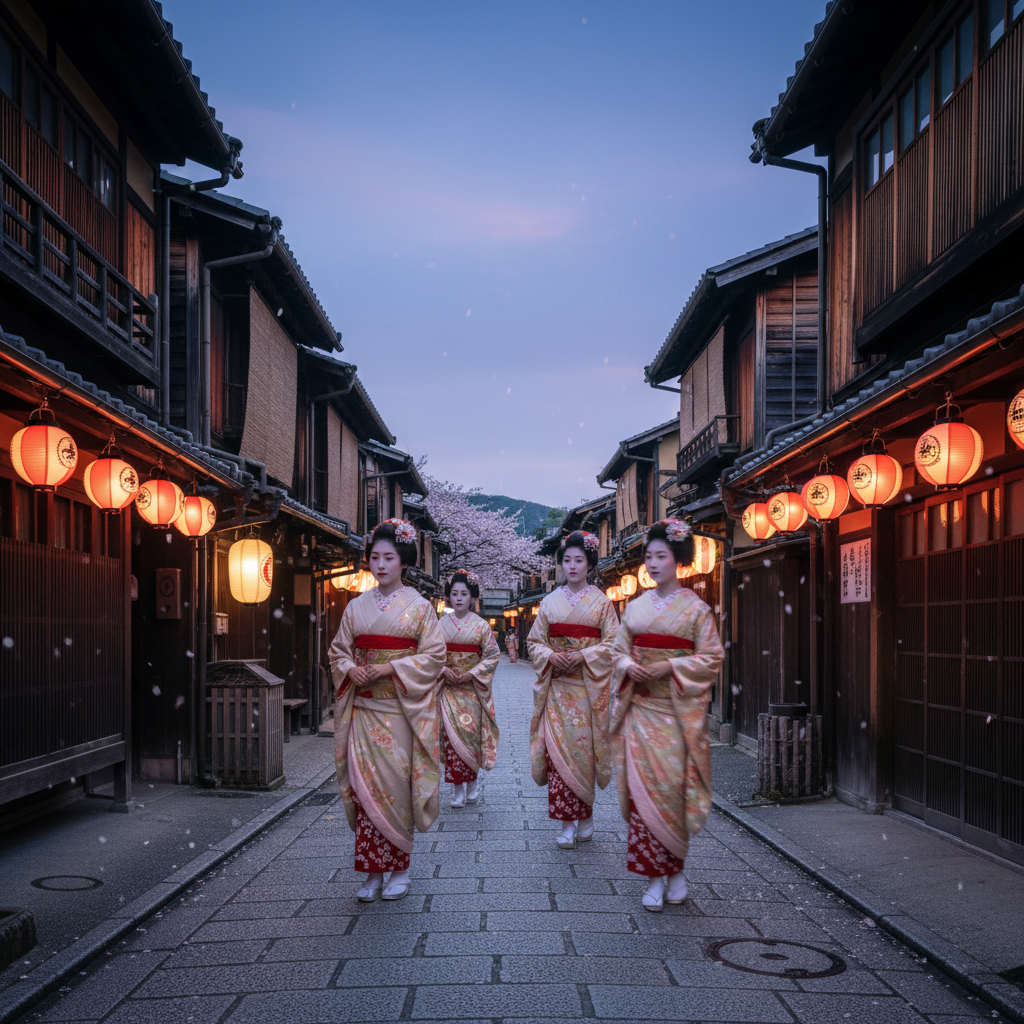
Gion — Kyoto's most historic entertainment district, centred on Hanamikoji Street — is the surviving heart of the ochaya (geisha teahouse) culture that has been Kyoto's most distinctive social institution since the 17th century. The district is most beautiful at dawn (before tourist crowds arrive), in the evening when the lanterns are lit and the occasional maiko (apprentice geisha) move between appointments in kimono, and during the Gion Matsuri Festival (July 1–31) — Japan's most celebrated traditional festival.
Fushimi Inari Taisha (inari.jp) — the 8th-century Shinto shrine famous for its 10,000 vermilion torii gates climbing Mount Inari — is Kyoto's most photographed site. The full climb to the summit (233 metres) and back takes 2–3 hours; the early morning (before 7am) or late evening walk reduces the crowds to near-nothing.
Getting There
Kyoto has no airport — access is via Osaka Kansai International Airport (KIX) by the Haruka Express (75 minutes) or via Shin-Osaka Station on the Shinkansen (15 minutes). Tokyo's Narita (NRT) or Haneda (HND) airports connect to Kyoto by Shinkansen Nozomi in 2h15m. Direct flights to Kansai from North American cities include Los Angeles, San Francisco, and Vancouver (ANA, Japan Airlines, United).
Reference Links:
- Aman Kyoto: aman.com/hotels/aman-kyoto
- Hiiragiya Ryokan: hiiragiya.co.jp
- Fushimi Inari Taisha: inari.jp
- Gion Matsuri Festival: gionmatsuri.jp
- Japan National Tourism: japan.travel
Continue Reading