Entertaining
The Dim Sum Brunch: The Cantonese Art of Yum Cha
The dim sum brunch is one of the great culinary traditions of southern China — a leisurely morning meal of small steamed and fried dishes served with tea in a ritual known as yum cha, meaning 'drink tea.' Originating in the teahouses of Guangdong and perfected in Hong Kong, it is a social institution of shared small plates and endless tea.
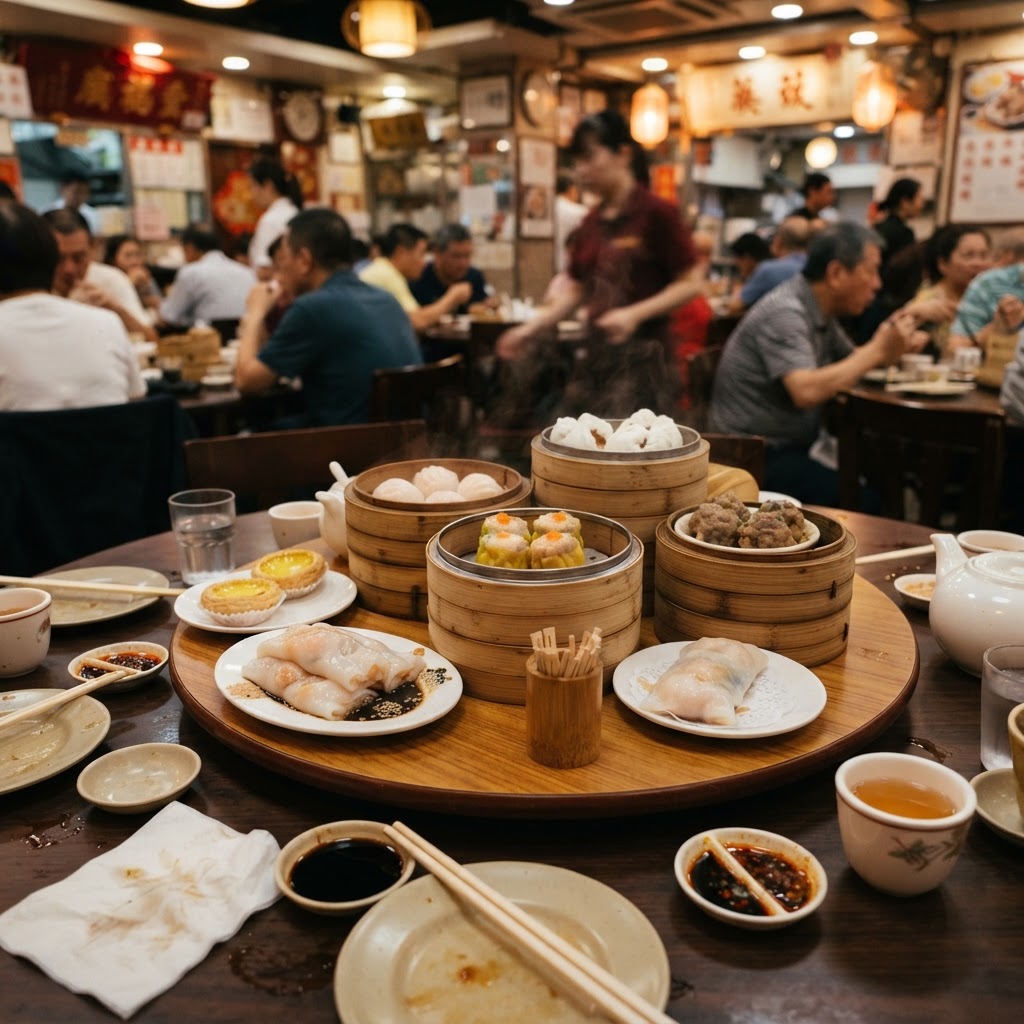
The dim sum brunch is one of the great culinary traditions of southern China — a leisurely morning meal of small, steamed, and fried dishes served with tea, in a ritual known as yum cha (飲茶), which literally means 'drink tea.' Originating in the teahouses of Guangdong province and perfected in the restaurants of Hong Kong and Guangzhou, yum cha is not merely a meal but a social institution: a way of gathering with family and friends on a weekend morning, surrounded by the clatter of bamboo steamers and the pour of hot tea, for a meal that can last for hours. Bringing this tradition into a home brunch setting creates one of the most joyful, communal, and visually spectacular entertaining events in the world.
The History of Yum Cha
The practice of yum cha can be traced to the tea houses of ancient Guangdong, where weary travelers along southern China's trade routes stopped to rest and sip tea. In the early period, simple nuts and sweets were served as accompaniments. During the era of the Xianfeng Emperor of the Qing dynasty (reigned 1850-1861), establishments serving tea were referred to as yi li guan (一釐館, 'one-cent house'), offering a place for people to socialize. These grew into proper tea houses, and the visits became known as yum cha. The small snacks served with tea eventually evolved into the elaborate cuisine we now know as dim sum. Reference: [Wikipedia — Yum Cha](https://en.wikipedia.org/wiki/Yum_cha)
The term 'dim sum' (點心) is based on the Cantonese pronunciation and literally means 'touch the heart' or 'dot the heart' — small bites meant to touch the heart without overwhelming it. The tradition of serving dim sum from push carts (teoi ce, 推車) dates to the early 1960s in Hong Kong, when restaurant cooks prepared dim sum in advance, placed them in steamer baskets, and brought them out on carts for diners to select. Reference: [Wikipedia — Dim Sum](https://en.wikipedia.org/wiki/Dim_sum)
The Dim Sum Table
A dim sum brunch offers a dazzling array of small dishes, each meticulously crafted. The essential categories include:
**Steamed Dumplings (蒸點)** — the heart of the dim sum table:
- Har gow (蝦餃) — translucent shrimp dumplings with pleated wrappers, the benchmark by which a dim sum chef's skill is judged.
- Siu mai (燒賣) — open-topped pork and shrimp dumplings, often topped with crab roe.
- Char siu bao (叉燒包) — steamed barbecue pork buns, fluffy white bread filled with sweet-savory glazed pork.
**Pan-Fried and Deep-Fried Items (煎炸點)** — including pot stickers (guotie, 鍋貼), spring rolls (chun juen, 春捲), and taro puffs (yu jiao, 芋角).
**Rice Noodle Rolls (腸粉)** — cheung fun, silky steamed rice noodle sheets rolled around shrimp, char siu pork, or beef, served with sweet soy sauce.
**Congee (粥)** — comforting rice porridge, topped with scallions, fried noodles, and preserved egg or pork.
**Egg tarts (蛋撻, dan tat)** — the beloved dessert, a Portuguese-influenced custard tart with a flaky pastry crust, a legacy of Macau's colonial history.
**Lotus leaf rice (糯米雞, lo mai gai)** — glutinous rice with chicken, mushroom, and sausage, steamed in a lotus leaf that perfumes the rice.
**Spareribs with black bean sauce (豉汁排骨)** — tender pork ribs steamed with fermented black beans and chili.
The Tea
Tea is not an afterthought at yum cha — it is the reason for the gathering. The traditional teas served with dim sum include:
**Pu-erh (普洱)** — a dark, earthy, fermented tea from Yunnan province, the classic dim sum accompaniment because its astringency cuts through the richness of the dumplings.
**Jasmine (茉莉花茶)** — green tea scented with jasmine blossoms, delicate and floral.
**Chrysanthemum (菊花茶)** — sweet, floral herbal tea, often blended with pu-erh.
**Tieguanyin (鐵觀音)** — a roasted oolong tea from Fujian province.
The tea is poured continuously throughout the meal. The traditional etiquette for thanking someone who refills your tea is to tap two fingers on the table — a gesture said to originate from a Qing dynasty emperor who traveled incognito and whose companions tapped the table in place of bowing, to avoid revealing his identity. Reference: [Epicurious — Dim Sum Etiquette](https://www.epicurious.com/archive/holidays/lunarnewyear/dim-sum)
Hosting a Dim Sum Brunch
A home dim sum brunch can combine homemade dishes with excellent store-bought or takeout items. Many Chinese markets sell frozen dim sum — har gow, siu mai, and bao — that can be steamed at home in bamboo steamers. Set the table with bamboo steamers stacked in the center, small plates, chopsticks, and tea cups. Serve the tea in a traditional Chinese tea set with a teapot and cups. A lazy Susan in the center of the table makes sharing easy.
For beverages, offer tea (multiple varieties), cold beer (Tsingtao or a local craft lager), and — for a brunch-appropriate option — mimosas. The citrus and effervescence of a classic Champagne mimosa is a refreshing counterpoint to the savory, rich dim sum, and the bubbles cleanse the palate between the different dishes.
Reference Links:
- Yum cha tradition: en.wikipedia.org/wiki/Yum_cha
- Dim sum guide: en.wikipedia.org/wiki/Dim_sum
- History of dim sum: yauatcha.com/life/home/home-featured/history-of-dim-sum
- Dim sum etiquette: epicurious.com/archive/holidays/lunarnewyear/dim-sum
- Cantonese cuisine: en.wikipedia.org/wiki/Cantonese_cuisine
- Chinese tea: en.wikipedia.org/wiki/Chinese_tea



Continue Reading