Food & Drink
Pisco and the Peruvian Soul: South America's Most Elegant Spirit
Born in the desert vineyards of the Ica Valley and distilled to proof without a drop of water added, Peruvian pisco is a spirit that carries the entire complex history of the Americas — from colonial conquest to national pride.
Pisco is a colorless or yellowish-to-amber-coloured grape brandy produced in the winemaking regions of Peru and Chile, though it is Peru that holds the strongest historical claim to the spirit's origin and identity. The oldest use of the word 'pisco' to denote a Peruvian grape spirit dates from 1764, and the name derives from the Peruvian port town of Pisco, located on the coast south of Lima, which was a crucial colonial-era port for the export of viticultural products. The spirit may also derive its name from the Quechua word for 'bird,' or from the pre-Columbian clay containers — called piskos — in which the spirit was traditionally stored. Regardless of the etymology, pisco is deeply embedded in Peruvian cultural identity, and Peru designated it an Appellation of Origin on April 7, 1988, establishing the legal framework that protects the spirit's Peruvian provenance (en.wikipedia.org/wiki/Pisco).
The story of pisco begins with the arrival of grapevines in Peru. Historians state that the first grapes were imported to Peru from the Canary Islands in 1553, brought by Spanish colonists who sought to produce wine for religious and secular use. The coastal valleys of Peru — particularly the Ica Valley, located approximately 300 kilometres south of Lima — proved ideal for viticulture, with their arid climate, abundant sunshine, and alluvial soils irrigated by Andean snowmelt. By 1560, Peru was producing wine for commerce, and a significant wine industry developed in the region. As wine production grew, so too did the production of aguardiente — the distilled grape spirit that would eventually become known as pisco. Distillation began in earnest around the turn of the 17th century, and by 1764, pisco represented 90 percent of the grape-based beverages produced in Peru (pmc.ncbi.nlm.nih.gov/articles/PMC5198827).
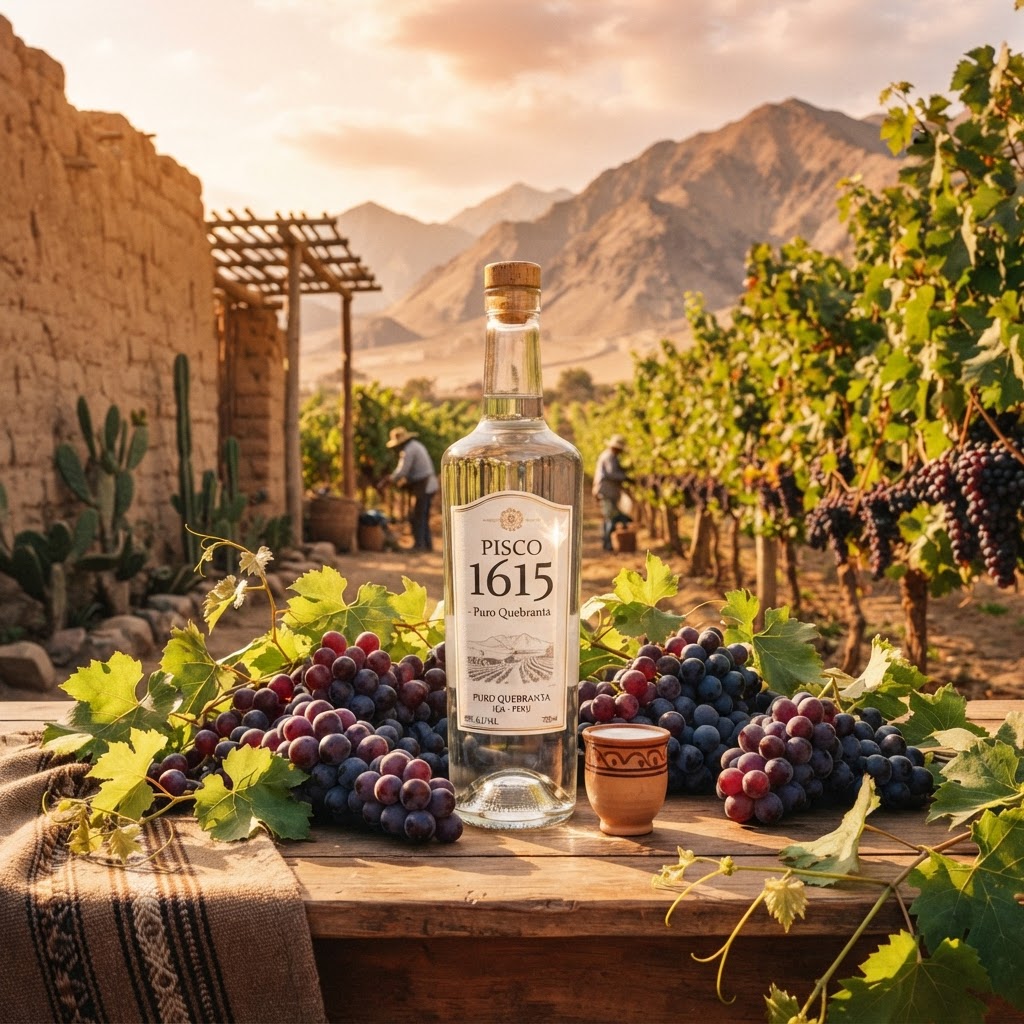
The Ica Valley is the heartland of Peruvian pisco production. This desert oasis, watered by the Ica River and surrounded by towering sand dunes, produces the vast majority of the grapes used in pisco. The valley's extreme aridity — it receives virtually no rainfall — means that the vines are irrigated entirely from underground aquifers fed by Andean snowmelt, and the intense sunlight and warm days with cool nights create ideal conditions for grape growing. The eight grape varieties permitted in Peruvian pisco production are: Quebranta (the most important, a non-aromatic variety that produces the fullest-bodied piscos), Italia (an aromatic variety), Torontel, Albilla, Moscatel, Negra Criolla, Mollar, and Uvina. Each variety produces a distinct style of pisco, and the Quebranta grape, which is unique to Peru, is the backbone of the country's pisco tradition (sciencedirect.com/science/article/pii/S2405844025006310).
Peruvian pisco is produced under strict regulations that distinguish it from other grape spirits and from Chilean pisco. The most significant distinction is that Peruvian pisco is distilled to proof — meaning that the spirit is distilled to its final bottling strength (between 38 and 48 percent alcohol by volume) without any water being added to dilute it. This means that the entire flavour and character of the pisco comes from the grapes and the distillation process, with no adjustment after the fact. Additionally, Peruvian pisco must be aged for a minimum of three months in containers that do not alter the flavour of the spirit — typically glass, stainless steel, or clay amphorae lined with paraffin. No wood aging is permitted, which means that the colour and flavour of the pisco come entirely from the grapes, not from the barrel. Chilean pisco, by contrast, is typically aged in wood and is diluted with water to reach bottling strength, resulting in a different flavour profile and production philosophy.
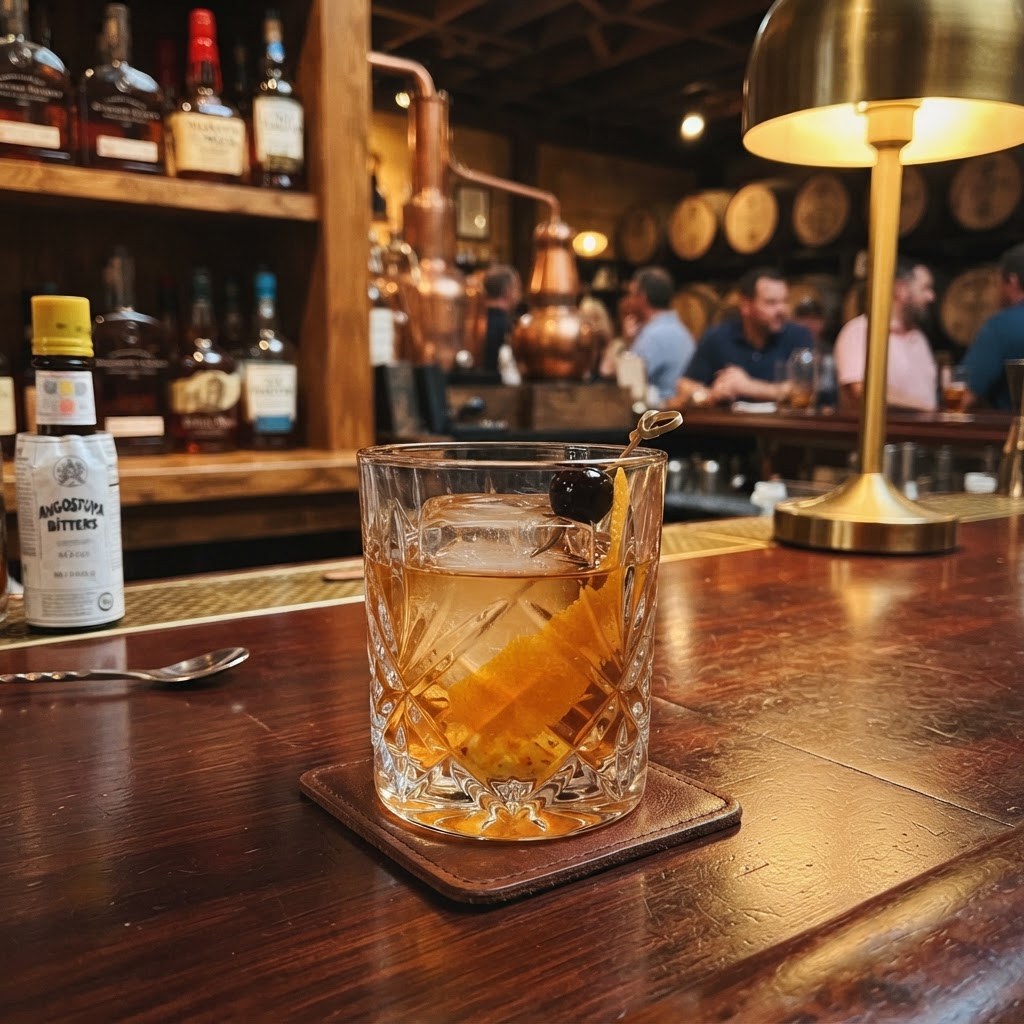
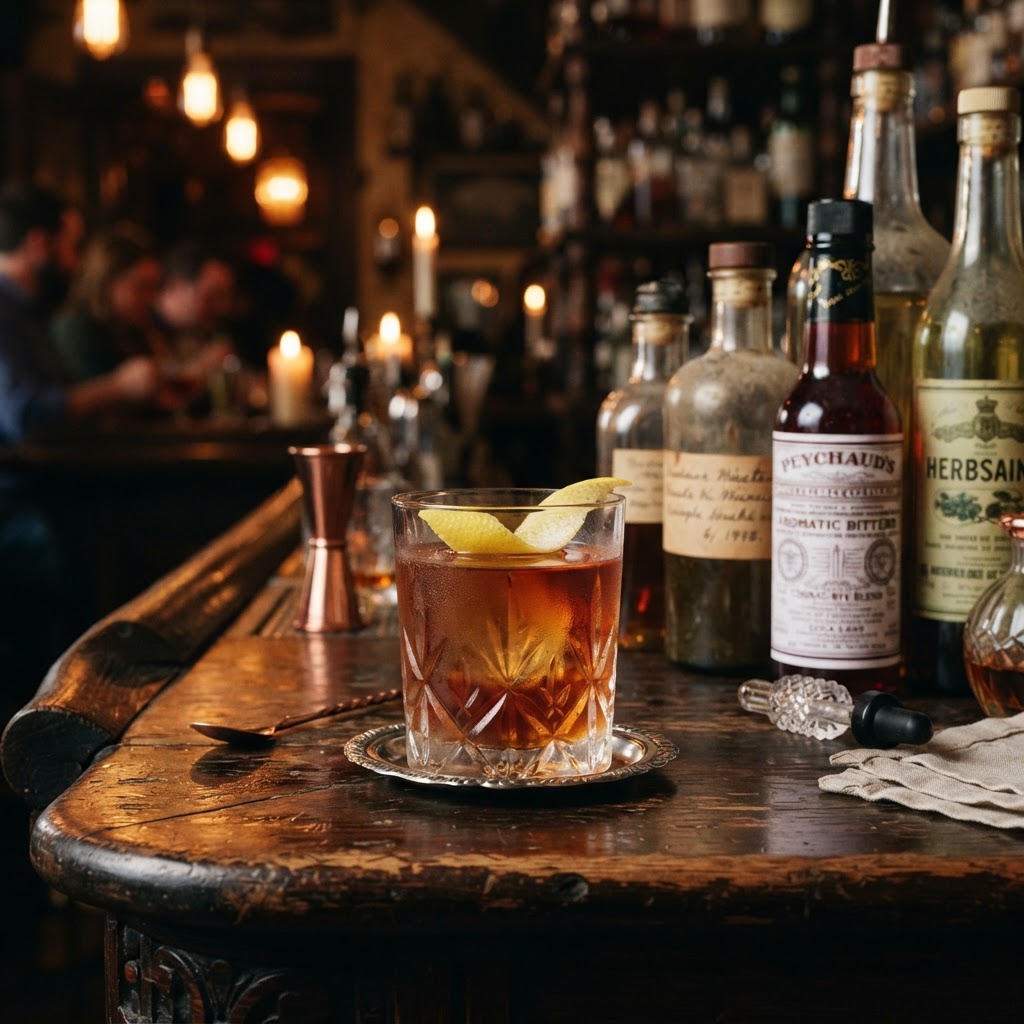
The pisco sour — the most famous pisco cocktail and the national drink of Peru — was created in Lima in the early 1920s by Victor Vaughn Morris, an American bartender who had emigrated to Peru and opened a bar in the city centre. Morris adapted the classic whiskey sour, substituting pisco for whiskey and adding Angostura bitters. The recipe — pisco, fresh lime juice, simple syrup, egg white, and Angostura bitters — has become the definitive pisco cocktail and is served in virtually every bar and restaurant in Peru. The preparation of the pisco sour is itself a ritual: the egg white is dry-shaken (shaken without ice first) to achieve maximum froth, then shaken again with ice, and the finished drink is garnished with three drops of Angostura bitters on the foam, forming a decorative pattern. On the first Saturday of February each year, Peru celebrates the Día Nacional del Pisco Sour (National Pisco Sour Day), and the first Sunday of February is Día del Pisco (National Pisco Day) — a testament to the spirit's central place in Peruvian national identity.
For the traveller, the pisco experience in Peru extends from the bars of Lima to the vineyards of the Ica Valley. Lima, Peru's capital and one of South America's great gastronomic capitals, is home to exceptional pisco bars — most notably the Gran Hotel Bolivar's Bar, where the pisco sour has been served since 1924 and where the 'pisco sour Bolsa' (served in a larger glass) is a local institution. The Pisco Trail, a route through the Ica Valley, takes visitors to traditional pisco distilleries — bodegas — where pisco is still made in copper alembic stills using methods that have changed little in centuries. Many of these bodegas, including Bodega Vista Alegre, Bodega Tacama, and Bodega Pisco Portón, offer tours and tastings. The nearby oasis town of Huacachina, set amid towering sand dunes, provides a dramatic base for exploring the pisco region, and the Ica region's restaurants serve pisco paired with local cuisine — including, of course, ceviche, Peru's other great culinary contribution to the world.
The Peru-Chile pisco dispute is one of the longest-running and most passionately contested geographical indication disputes in the world of spirits. Both countries claim pisco as their national spirit, and both have established legal protections for the name. The dispute has been carried to international trade forums, and while the World Trade Organization has not ruled definitively, the European Union recognises Peru's Appellation of Origin for pisco, while allowing Chilean pisco to be marketed in the EU under the label 'Pisco Chileno.' For pisco enthusiasts, the distinction is clear: Peruvian pisco, with its single distillation to proof, its prohibition of wood aging, and its use of unique grape varieties like Quebranta, represents a distinct production philosophy from Chilean pisco, which is typically aged in wood and diluted with water. Both are worthy spirits, but they are not the same thing, and the passionate defence of the distinction is part of what makes pisco culture so vibrant.
What makes pisco so significant in the world of food and drink is its embodiment of the complex, layered history of the Americas — a history of colonisation, indigenous culture, agricultural ingenuity, and national identity, all distilled into a clear, potent spirit. Pisco was born of the collision of European viticulture with Peruvian terroir, shaped by the practical needs of colonial trade, refined over centuries of tradition, and claimed with passionate intensity by a nation that sees in it an expression of its cultural soul. To drink pisco in Peru — whether as a pisco sour in a Lima bar, or as a pure Quebranta in an Ica bodega — is to taste this history in its most concentrated, most eloquent form. It is a spirit that carries the desert sun, the Andean snowmelt, the colonial legacy, and the independent pride of a nation that has made it its own.
For those seeking to learn more or plan a visit, PROMPERU, Peru's tourism promotion board, provides information on pisco tourism and the Pisco Trail (peru.travel). The Comisión Nacional de Pisco del Perú (CONAPISCO) provides information on pisco regulations and the Appellation of Origin (pisco.peru.com). The Ica region's tourism board offers guides to the bodegas and distilleries of the Ica Valley (ircp.gob.pe).

Continue Reading