Fashion
Fine Jewellery in 2026: The Pieces Worth Buying and How to Wear Them with Confidence
Signet rings, sculptural cuffs, diamond studs, and the return of the brooch — a comprehensive guide to fine jewellery investment and styling in 2026.
Jewellery is the most intimate category of fashion. Unlike clothes, it touches the skin; unlike bags, it carries no utilitarian function. It is pure expression — of heritage, of personality, of a particular moment in one's life. The pieces you choose and wear every day become as characteristically yours as your handwriting. Choosing well, therefore, matters enormously.
**The 2026 Jewellery Landscape**
The defining direction of fine jewellery in 2026, according to buyers at Brilliant Earth, Gabriel & Co., and the editors of multiple luxury publications, is bold gold, coloured gemstones, and the resurgence of pieces with personal meaning — signet rings, family crests, engraved lockets, and charms that tell a story. This is part of a broader shift in luxury consumption: away from logo display and toward pieces that are meaningful, durable, and personal.
Simultaneously, sculptural and architectural jewellery — substantial gold cuffs, organic-form statement rings, and dramatically oversized earrings — is gaining significant ground. The key distinction from maximalism of previous decades: scale and artistry, not abundance. One extraordinary piece, worn alone, is the 2026 aesthetic. Reference: brilliantearth.com/jewelry/buying-guide/trends
**The Pieces Worth Investing In**
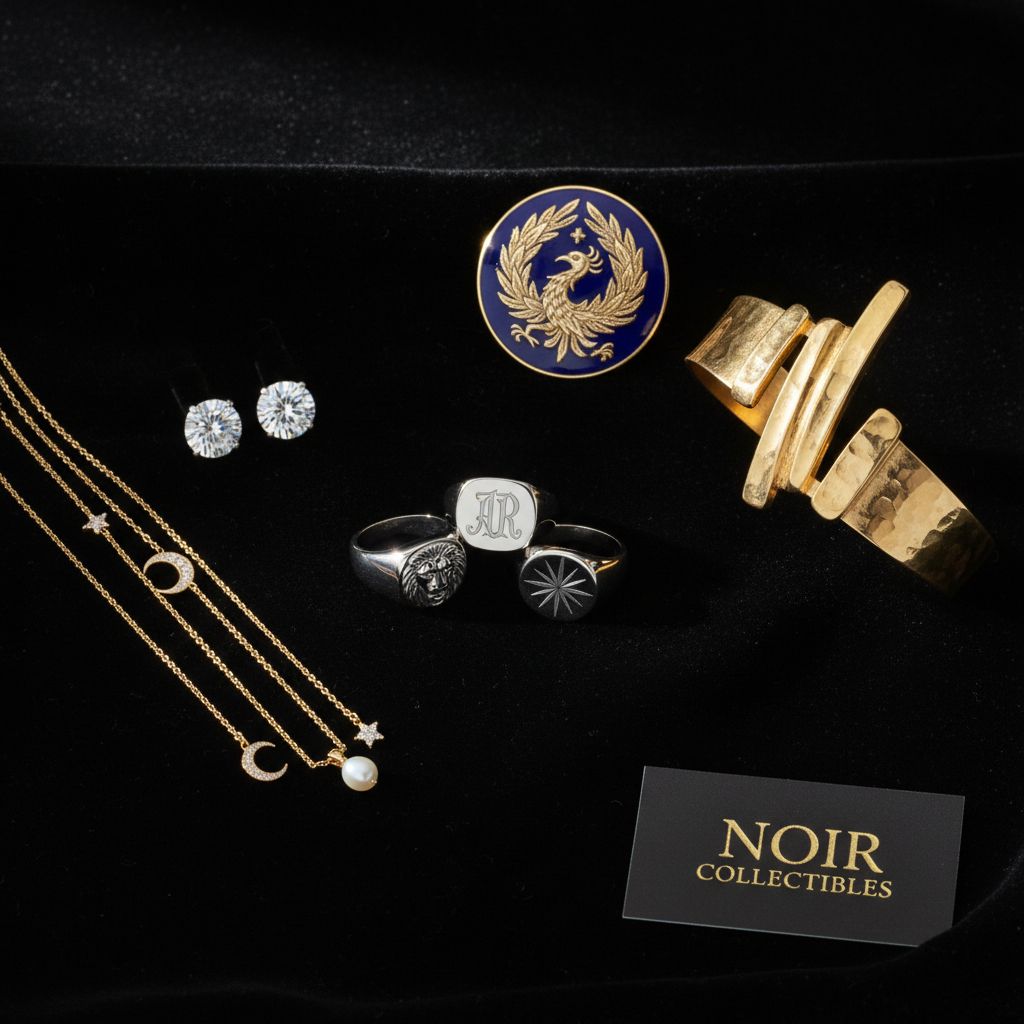
The Diamond Stud Earring: The single most versatile fine jewellery investment. A pair of well-cut diamond studs — 0.5ct minimum total weight, in a platinum or white gold bezel or four-prong setting, with a VS2 clarity and G-colour or better — will be worn more than any other piece you own. They work with everything from boardroom attire to a cashmere robe. Brands to consider: Tiffany & Co. (tiffany.com) for the most iconic setting; Mejuri (mejuri.com) for beautifully made accessible luxury; Hearts On Fire for exceptional cut quality.
The Signet Ring: One of the great jewellery revivals of the decade. Originally worn by the ancient Egyptians and Greeks as personal seals, signet rings have evolved from aristocratic family crests to personal statements of identity. Choose yellow gold (the most historically resonant material) and engrave with your initial, a meaningful symbol, or a family crest if you have one. Wear on the pinky for tradition, the index finger for statement. Monica Vinader (monicavinader.com) offers beautiful, accessible versions; for the investment piece, Cartier, David Yurman, or a bespoke commission from a jeweller such as Sophie Bille Brahe (sophiebillebrahe.com) or Grainne Morton.
The Gold Chain Necklace: The fine chain necklace — in 18-carat yellow gold — is the minimal foundation of the modern jewellery wardrobe. Layer two or three of different lengths for the 'stacked' effect that has defined the decade's aesthetic, or wear a single substantial chain alone. Mejuri, Missoma (missoma.com), and Ana Luisa (analuisa.com) produce exceptional versions at accessible luxury prices; for the heirloom version, look to Elsa Peretti's Bone Cuff for Tiffany or a vintage piece from a reputable dealer.
The Sculptural Gold Cuff: The defining statement piece of 2026. A solid 18-carat gold cuff bracelet — whether geometric, organic, or hammered — is simultaneously a work of art and an accessory. It works with everything from a linen shirt to a black tie gown. At the pinnacle: Verdura, Hemmerle, or Suzanne Belperron for extraordinary vintage examples; Bottega Veneta for contemporary Italian craft; Sophie Buhai for elegant, accessible versions.
The Brooch: Making its most significant comeback since the 1980s. In 2026, the brooch is worn at the lapel of a blazer, pinned to a knitwear piece, or attached to a bag strap. Vintage brooches — found at reputable dealers including 1stDibs (1stdibs.com) and Portobello Road in London — are the most coveted: Miriam Haskell pieces from the 1940s and 50s, Chanel enamel camellias, or bold paste and crystal examples from the Art Deco period are all excellent investments and objects of tremendous beauty. Reference: vanhessjewellery.com
**The Buying Principles**
Buy the best you can afford in each category: the quality difference between a fine diamond and a lesser stone is immediately visible to the trained eye and becomes more apparent over time. Prioritise cut over carat size — a 0.7ct excellently cut diamond will outperform a 1ct mediocre one.
Buy from established sources: for new jewellery, authorised dealers and brand boutiques. For vintage and estate jewellery, use reputable platforms with authentication guarantees — 1stDibs, Christie's jewellery sales, and Sotheby's jewellery auctions.
Consider the metal: 18-carat gold (75% pure gold) is the industry standard for fine jewellery — harder than 24-carat, more richly coloured than 9-carat. Platinum is the most durable and the best setting for white diamonds. Rose gold has softened somewhat in the trend cycle; yellow gold remains dominant.
**The Art of Wearing Jewellery**
The fundamental principle: one focal point. If you are wearing statement earrings, keep the necklace minimal. If you are wearing a substantial cuff, let your other jewellery recede. Jewellery, like any luxury, has its greatest impact when it is given space to be seen.



Continue Reading