Food & Drink
The Black Truffle of Périgord: France's Most Coveted Underground Treasure
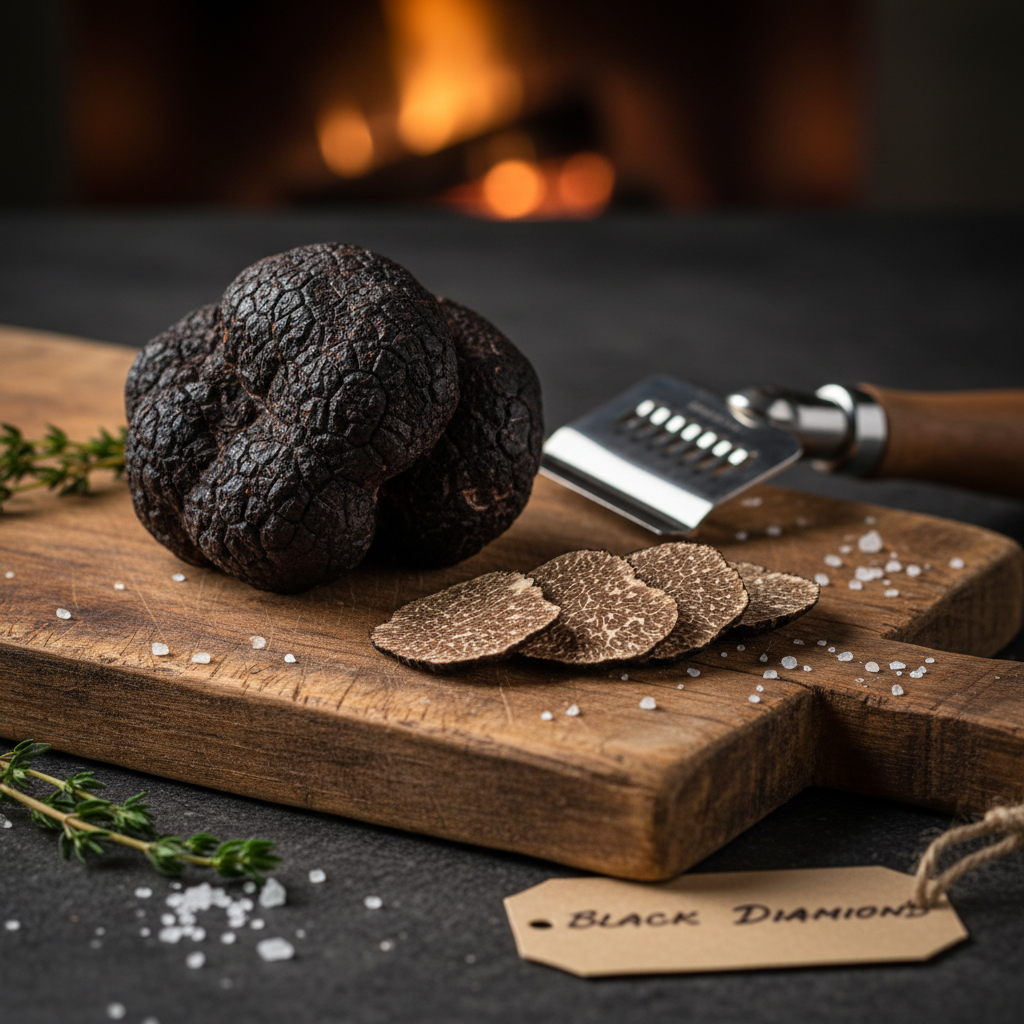
Known as the 'black diamond' of French gastronomy, the Périgord truffle commands prices of $800–$1,200 per kilogram and has been coveted by kings, chefs, and food lovers for centuries. Its hunting season is a ritual, its aroma irreplaceable.
The smell is the first revelation. Earthy, intensely musky, and almost animal in its intimacy — the scent of a fresh Périgord black truffle (Tuber melanosporum) is unlike any other ingredient in the world. It is a smell that once experienced is never forgotten, and it is precisely this olfactory power that has placed the black truffle at the apex of French gastronomy for over four centuries.
Known as the 'black diamond,' the Périgord truffle is the most celebrated of the world's edible truffle species. It grows underground at the roots of oak and hazelnut trees in a mycorrhizal symbiosis — the truffle feeds the tree sugars in exchange for minerals and water. This relationship cannot yet be fully replicated artificially, which is why despite decades of effort to cultivate truffles commercially, the supply remains stubbornly limited and the prices extraordinary. Premium fresh Périgord truffles typically command €800–€1,200 per kilogram (approximately $900–$1,300), with exceptional specimens reaching higher.
The truffle season runs from mid-November to early March, with December and January considered the peak months when the truffles reach full maturity and maximum fragrance. This is when the famous truffle markets of the Dordogne and Vaucluse swing into life. The market at Sarlat (https://www.sarlat-tourisme.com) — held every Saturday during the season — and the market at Lalbenque near Cahors are among the most atmospheric in France, where growers arrive with their haul wrapped in cloth and brokers and restaurateurs cluster to inspect and negotiate.
Hunting truffles is an ancient tradition that historically relied on pigs, which have a natural instinct to root for them. Today, trained dogs — particularly Lagotto Romagnolo breeds — have largely replaced pigs, being far easier to control and less likely to eat the find. A skilled truffle dog can locate truffles up to a metre underground from several metres away, guided by the unmistakeable volatile compounds (dimethyl sulphide, 2,4-dithiapentane) that the truffle emits as it matures.
For visitors, truffle hunting experiences are available throughout the Dordogne region (Périgord Noir) from November through February. Tour operators including Cellar Tours (https://www.cellartours.com/blog/france/guide-french-truffles-black-diamonds) and local guides in Sarlat and Les Eyzies offer accompanied morning hunts with a trained dog, followed by a truffle lunch prepared on-site. National Geographic has called Périgord France's truffle hunting capital (https://www.nationalgeographic.com/travel/article/frances-truffle-hunting-capital-perigord), and the experience of following a dog through a winter oak forest before sitting down to a truffle omelette is genuinely life-changing.
In the kitchen, the Périgord truffle's fragrance is so powerful that it is best used with restraint and with neutral-flavoured carriers that allow it to express itself fully. The classic preparations are benchmarks of French cuisine: whole truffle baked en croûte in pastry (truffe en papillote), truffle slipped under the skin of a roasting chicken, shaved generously over scrambled eggs or a simple pasta with butter, or grated into a warm risotto off the heat. The heat of cooking dissipates truffle aroma, which is why many of the finest preparations add the truffle at the last possible moment.
The legendary Périgord preparation called 'truffe sous la cendre' (truffle cooked in the ashes) is among the purest expressions — a whole truffle wrapped in foil with a little duck fat and a sliver of foie gras, nestled in the embers of a fire for 15–20 minutes. It is a dish of extraordinary simplicity and extraordinary depth.
Beyond Périgord, Italy's Norcia in Umbria also produces fine black truffles (and the rare white truffle of Alba, covered separately). The Spanish Sarrión district in Teruel has emerged in recent decades as a significant black truffle producer. But the gold standard — the one that defines the category — remains Tuber melanosporum from the limestone hills of the Dordogne and Vaucluse.
For buying fresh truffles outside France, specialist importers including Urbani Truffles (https://www.urbanitruffle.com) and Regalis Foods (https://www.regalisfoods.com) supply restaurants and home cooks in the US with properly sourced product. Preserved truffles in oil or brine are widely available but pale shadows of the fresh ingredient — if the season and budget align, there is simply no substitute for fresh.
Continue Reading