Veal Oscar: The 1897 Dish Named for Sweden's King Oscar II
June 21, 2026
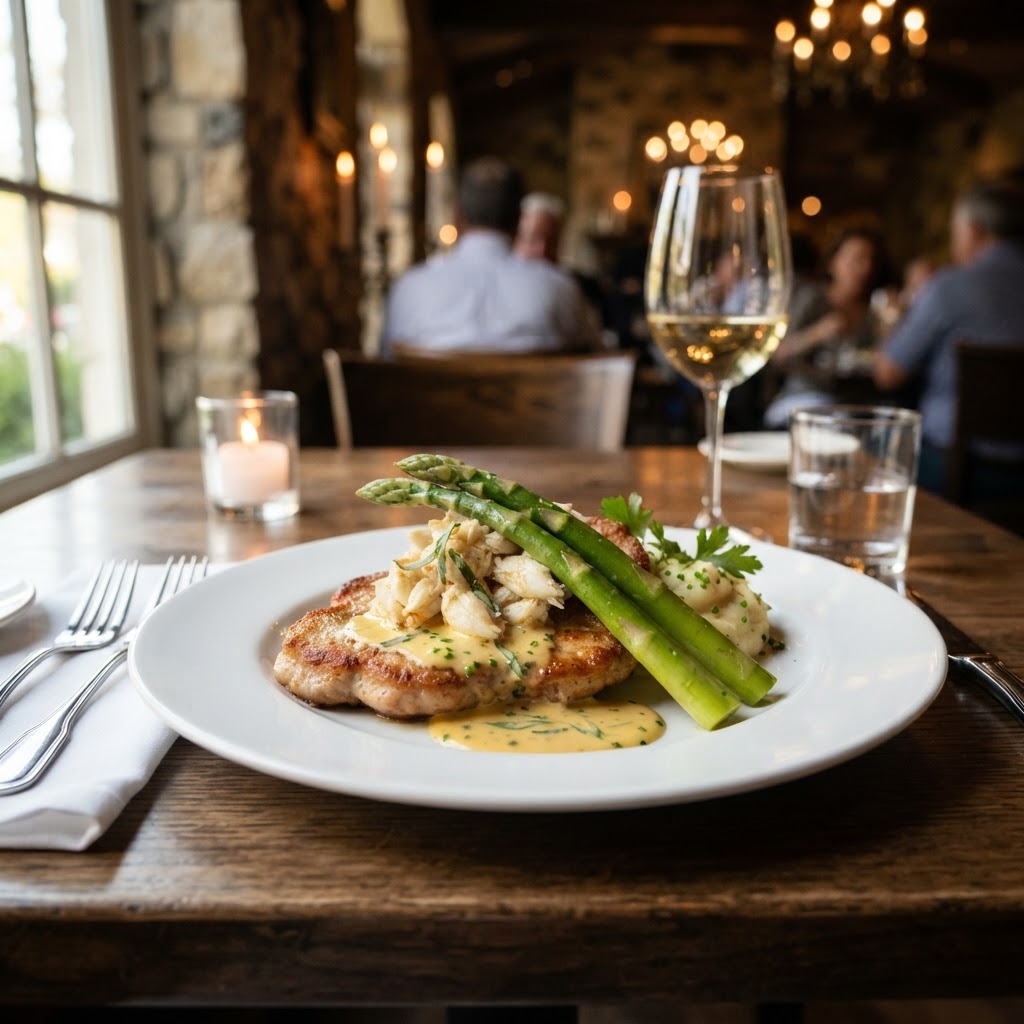
On September 18, 1897, a dish was served for the first time in honor of King Oscar II of Sweden, who was visiting a restaurant on that date. It consisted of sautéed veal cutlets topped with asparagus spears, crabmeat, and béarnaise sauce, and it was named Veal Oscar in his honor. The dish quickly spread from Sweden to America, where it became a fixture of mid-century fine dining, served at supper clubs and hotel restaurants from New York to Chicago.
The combination is a study in texture and richness. The veal provides a tender, mild base. The asparagus adds a fresh, green bite. The crabmeat contributes sweetness and luxury. The béarnaise, a warm emulsion of egg yolks, butter, and tarragon, binds everything together with its velvety, herbaceous richness. The dish fell out of fashion in the 1980s as fine dining moved toward lighter, more minimalist presentations, but it remains a masterclass in classical technique and the kind of dinner party main course that leaves guests speechless.
About the Ingredients: The veal should be thin-cut veal scaloppine from the top round or leg, pounded to an even thickness. If veal is unavailable, chicken cutlets or thin steaks can be substituted. The crabmeat should be fresh lump or backfin, not imitation. The asparagus should be thin spears, peeled at the base. The béarnaise sauce is the most demanding component, requiring careful temperature control to prevent the eggs from scrambling.
Ingredients (serves 4): - 4 veal cutlets (about 5 oz each), pounded to ¼-inch thickness - ½ cup all-purpose flour - 2 tablespoons olive oil - 2 tablespoons unsalted butter - Salt and freshly ground black pepper
The Topping: - 8 thin asparagus spears, trimmed and peeled - 8 oz fresh lump crabmeat, picked over for shells - 1 tablespoon lemon juice - 1 tablespoon fresh parsley, minced
The Béarnaise Sauce: - 2 tablespoons white wine vinegar - 2 tablespoons dry white wine - 1 tablespoon fresh tarragon, chopped, plus more for garnish - 1 small shallot, minced - 3 egg yolks - ½ cup (1 stick) unsalted butter, melted and kept warm - Salt and cayenne pepper to taste
Instructions: Bring a pot of salted water to a boil. Add the asparagus and cook for 2 minutes until crisp-tender. Plunge into ice water, drain, and set aside.
To make the béarnaise, combine the vinegar, wine, tarragon, and shallot in a small saucepan. Bring to a boil and reduce to 1 tablespoon of liquid. Strain and let cool slightly. In a heatproof bowl, whisk the egg yolks with the reduced vinegar liquid. Set the bowl over a pan of barely simmering water (do not let the water touch the bowl) and whisk constantly until the yolks thicken and lighten in color, about 2 minutes. Remove from heat and slowly drizzle in the warm melted butter, whisking constantly, until the sauce is thick and glossy. Season with salt and cayenne. Keep warm in a water bath, not over direct heat.
Season the veal cutlets with salt and pepper. Dredge lightly in flour, shaking off excess. Heat the olive oil and butter in a large skillet over medium-high heat. Sauté the veal for 2 minutes per side until golden and just cooked through. Transfer to a warm platter.
Gently toss the crabmeat with lemon juice and parsley. Place two asparagus spears on each veal cutlet. Top with a generous portion of crabmeat. Spoon the béarnaise sauce over the top and serve at once.
The Mimosa Pairing Logic: The richness of the béarnaise and the sweetness of the crab call for a mimosa with bright citrus to cut through the butter. The Classic Champagne Mimosa is the natural partner, its orange and champagne providing the acid lift the dish needs. For a more adventurous pairing, the Grapefruit Rosemary Mimosa echoes the herbal tarragon in the béarnaise while adding a bitter edge that complements the crab.
Reference Links: - Veal Oscar – Wikipedia - Veal Oscar Recipe – Food Network
Make-Ahead: The asparagus can be blanched up to 1 day ahead and refrigerated. The béarnaise reduction (the vinegar, wine, tarragon, and shallot mixture) can be prepared ahead, but the sauce itself must be made at the last minute, as it cannot be reheated without breaking. Have the crab picked and the veal pounded and floured before you begin. The entire final assembly takes less than 10 minutes.
Pro Tips: The béarnaise is the element that gives most cooks trouble. The key is temperature control. The water beneath the bowl should be at a bare simmer, not a boil, and the bowl should not touch the water. If the eggs start to scramble, plunge the bottom of the bowl into cold water and whisk furiously to bring it back. The melted butter should be warm, not hot, and added in a slow, thin stream. If the sauce breaks, whisk in a teaspoon of warm water to re-emulsify.
Rate this recipe
Be the first to rate this recipe
to submit your rating.
Recent Posts

Couscous Royale: North Africa's Grand Platter of Lamb, Chicken, and Merguez
October 14, 2026

Seattle Cream Cheese Dog Bites: Hadley Long's 1989 Pioneer Square Invention
October 14, 2026

Khao Soi: Chiang Mai's Northern Thai Coconut Curry Noodles
October 13, 2026

Korean Bibimbap: Jeonju's Joseon Dynasty Mixed Rice
October 11, 2026

Spaghetti alla Carbonara: Rome's World War II Pasta of Eggs, Guanciale, and Pecorino
October 9, 2026