The Sparkling Sidecar
May 9, 2026
The Sidecar first appeared in print in 1922, in Robert Vermeire's *Cocktails: How to Mix Them*, and the most widely repeated origin credits the drink to Frank Meier, head bartender at the Ritz Hotel in Paris, who listed it among the most popular cocktails of the bar in a widely circulated 1923 article. A competing tradition places the drink at Harry's New York Bar in Paris, where owner Harry MacElhone claimed it in later editions of his bar manuals. The name refers to the motorcycle sidecar in which a customer was said to have arrived at one of the two bars, and the drink is built on the simple, durable template of Cognac, Cointreau, and lemon juice, with a sugar rim that has become part of its identity (The Oxford Companion to Spirits & Cocktails).
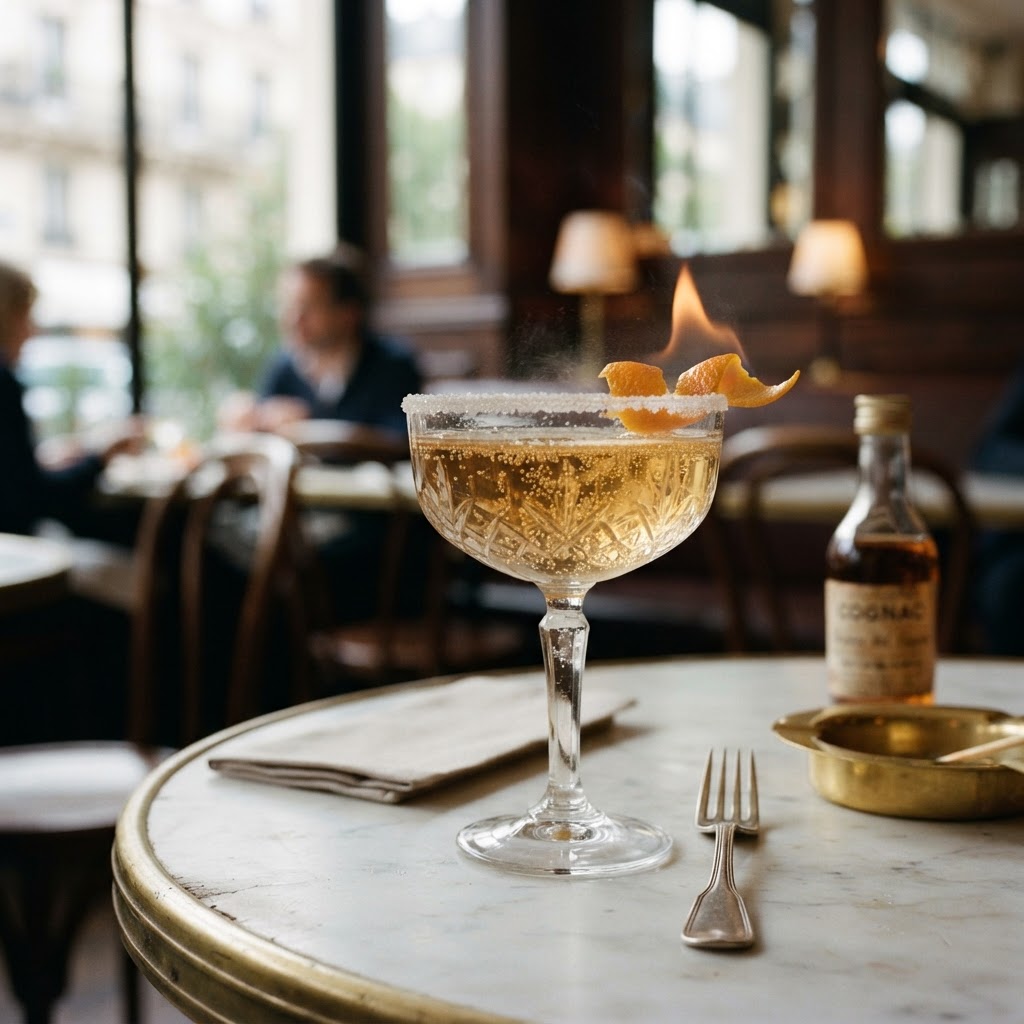
The Sidecar is, in structure, a Brandy Sour built on Cointreau instead of simple syrup. The Cognac carries the body, the Cointreau contributes bitter-orange sweetness, and the lemon juice sharpens the whole into something that reads as dry rather than sweet. Topped with sparkling wine, the Sidecar becomes a brunch cocktail of real elegance. The bubbles lift the Cognac and the orange, the sugar rim adds a textural contrast, and the drink takes on the lightness of a Champagne cocktail crossed with a brandy sour.
Ingredients (serves 6): - 6 oz Cognac (such as Pierre Ferrand 1840 or Hennessy VS) - 3 oz Cointreau - 3 oz fresh lemon juice - 1 bottle (3 ⅛ cups) chilled Cava Brut or dry Prosecco - Superfine sugar, for rimming - Orange twists for garnish
Instructions: Rub a lemon wedge around the rim of each coupe glass and dip into superfine sugar to create a sugar rim. Chill the glasses. Combine the Cognac, Cointreau, and lemon juice in a cocktail shaker with ice. Shake vigorously for 15 seconds. Strain into the sugar-rimmed chilled coupe glasses. Top slowly with 1 oz chilled Cava per glass, pouring gently down the side so the bubbles settle through the amber drink. Garnish each glass with a flamed orange twist.
For a Crowd (serves 12): - 12 oz Cognac, 6 oz Cointreau, 6 oz fresh lemon juice - 2 bottles chilled Cava Brut - Pre-batch the Cognac, Cointreau, and lemon juice in a pitcher; shake in batches and top with Cava at service.
Variations: - Original Sidecar: Equal parts Cognac, Cointreau, and lemon juice, for a more tart, period-correct profile. - Betsy Ross: Replace the Cointreau with Cynar for a bitter, artichoke-forward variation. - Sidecar Royale: Increase the sparkling-wine top to 2 oz per glass for a longer, brunch-forward drink.
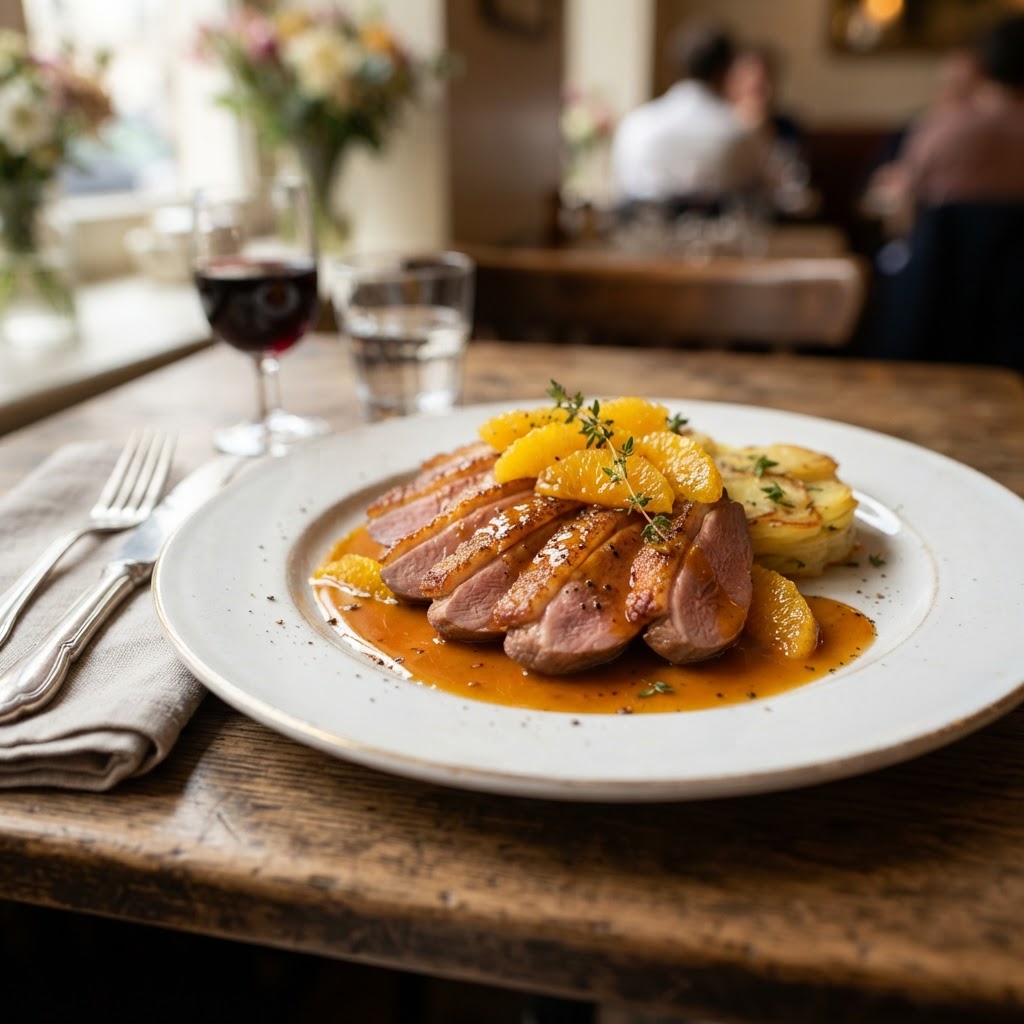
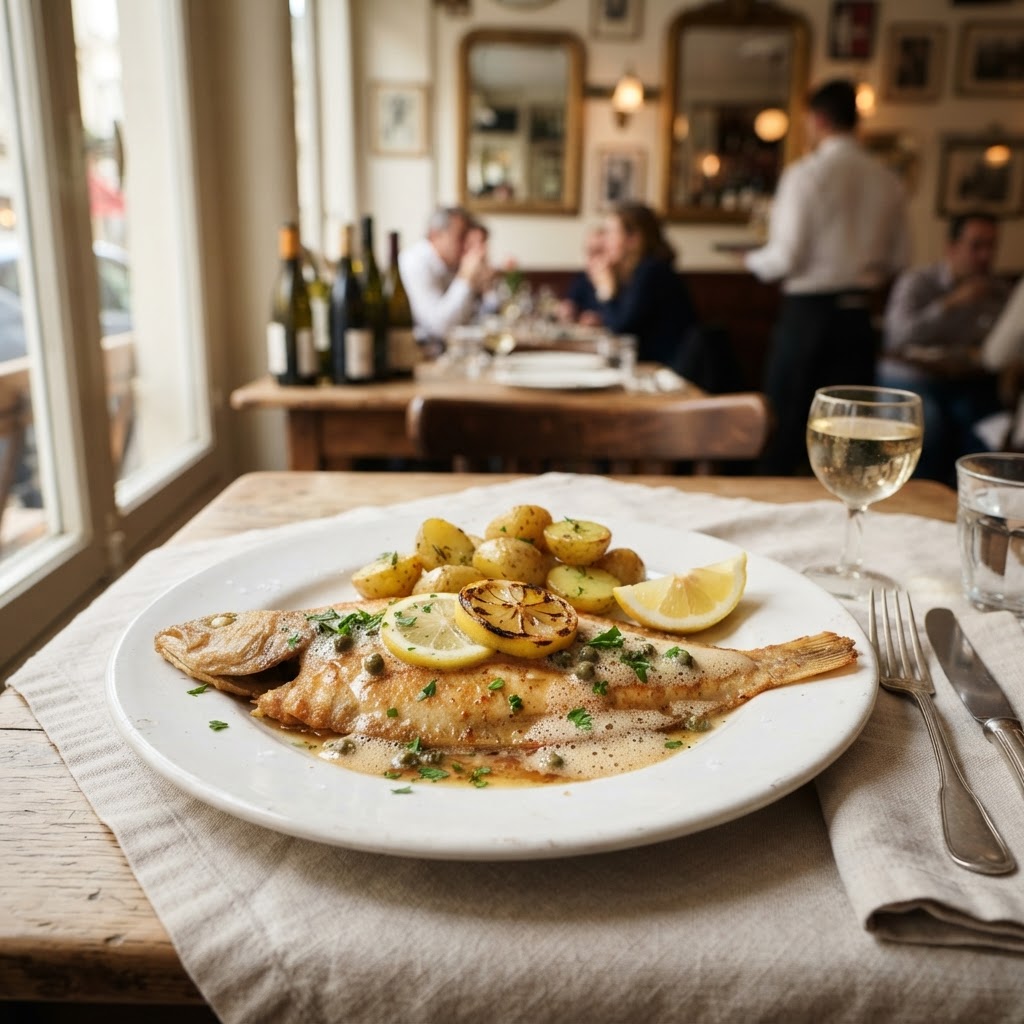
Pairing: The Sidecar's Cognac and orange character pairs beautifully with French-inspired brunch dishes such as pain perdu, lemon-ricotta stuffed crêpes, or a cheese and fruit plate. Its elegance also makes it a companion to a peach bellini mimosa, and it sits comfortably in the same brunch flight as the kir royale.
Reference Links: - Sidecar cocktail (Frank Meier, Ritz Hotel Paris, 1922/1923): The Oxford Companion to Spirits & Cocktails
Pro Tips: The Sidecar lives or dies on the Cognac, so use a VS or VSOP that is worth drinking on its own. Pierre Ferrand 1840 Original Formula, bottled at 40 percent and built for cocktails, is the modern standard. Cointreau is non-negotiable, since it carries the bitter-orange oil that triple sec cannot match. The sugar rim is part of the drink's identity and should not be skipped, since it provides the textural contrast that balances the lemon. Shake hard and pour the Cava last and gently, since the amber color and the sugar rim are both part of the presentation.
Rate this recipe
Be the first to rate this recipe
to submit your rating.
Perfect Mimosa Pairings
Mimosas that pair perfectly with this dish
Recent Posts

Couscous Royale: North Africa's Grand Platter of Lamb, Chicken, and Merguez
October 14, 2026

Seattle Cream Cheese Dog Bites: Hadley Long's 1989 Pioneer Square Invention
October 14, 2026

Khao Soi: Chiang Mai's Northern Thai Coconut Curry Noodles
October 13, 2026

Korean Bibimbap: Jeonju's Joseon Dynasty Mixed Rice
October 11, 2026

Spaghetti alla Carbonara: Rome's World War II Pasta of Eggs, Guanciale, and Pecorino
October 9, 2026