South Carolina Hoppin' John: The Gullah Rice and Pea Dish First Recorded in the 1847 Carolina Housewife
March 15, 2026
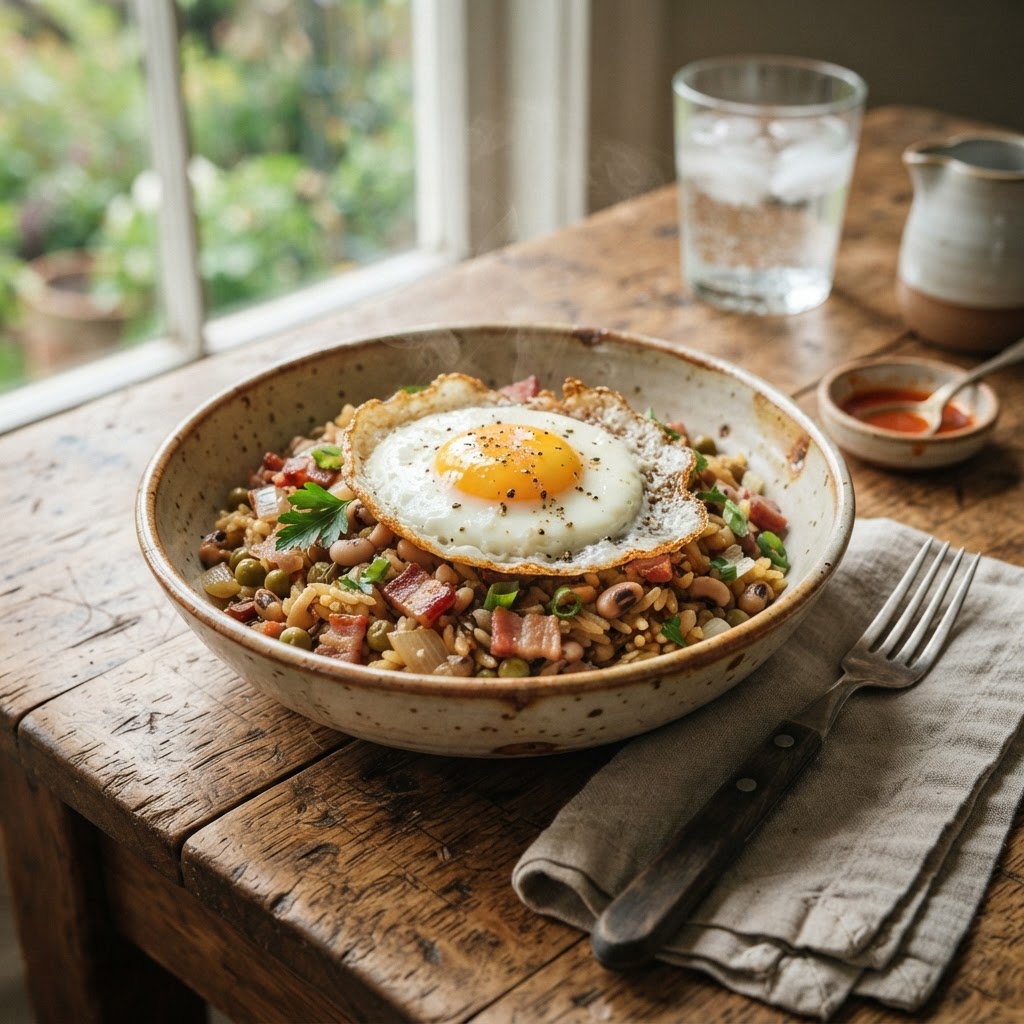
Hoppin' John, also known as Carolina peas and rice, is a Lowcountry one-pot dish of rice and black-eyed peas or Sea Island red peas cooked with bacon, onions, and pork, first recorded in print in Sarah Rutledge's *The Carolina Housewife* of 1847, and traced to the Gullah people of the South Carolina Lowcountry and to the West African rice and bean dishes that were the subsistence of enslaved Africans on the Middle Passage. According to Wikipedia, Hoppin' John originated from the Gullah people and was originally a Lowcountry one-pot dish before spreading to the entire South, and it may have evolved from rice and bean mixtures that were the subsistence of enslaved West Africans en route to the Americas, with links to the Senegalese dish *thiebou niebe* and the Ghanaian dish *waakye*. What's Cooking America notes that Hoppin' John is also known as Carolina peas and rice, and that Gullah or Low Country cuisine reflects the cooking of the Carolinas, especially the Sea Islands, and that the dish is traditionally eaten on New Year's Day to bring luck and prosperity, with the peas symbolic of coins.
The genius of Hoppin' John is the one-pot method. The rice is not cooked separately and served with beans on top but is simmered in the same pot with the peas and pork, so that the starch from the rice and the beans thickens the cooking liquid into a savory, starchy gravy, and every grain of rice and every pea is flavored with the bacon, the onion, and the pepper. In the traditional Gullah version, Sea Island red peas or Geechee red peas are used instead of black-eyed peas, and Carolina Gold rice, the heirloom long-grain rice of the Lowcountry, gives the best texture and flavor. Eaten with a fried egg on top, Hoppin' John is a brunch dish that carries the full weight of the Lowcountry, the Sea Islands, and the West African rice tradition in every spoonful.
About the Ingredients
Rice — long-grain white rice, preferably Carolina Gold, the heir variety of the Lowcountry. The rice is cooked in the same pot as the peas, absorbing the flavor of the pork and the cooking liquid.
Black-eyed peas or Sea Island red peas — dried black-eyed peas, soaked and parboiled, or Sea Island red peas if available. The peas are the "coins" of the New Year's tradition and the protein of the dish. In the Gullah tradition, Sea Island red peas or Geechee red peas are preferred.
Bacon or ham hock — chopped bacon, ham hock, or salt pork, which provides the smoky, savory fat in which the onions and rice are cooked. Pork is the backbone of Lowcountry cooking.
Onions — diced onions, cooked in the rendered pork fat until soft and sweet.
Chicken broth or water — the cooking liquid, which becomes a starchy gravy as the rice and peas cook together.
Scotch bonnet or cayenne — a whole Scotch bonnet pepper or a dash of cayenne, for the gentle heat that is traditional in Gullah cooking.
Eggs — eggs, fried sunny-side up, one per person, placed on top of the Hoppin' John. The runny yolk enriches the rice and peas.
Ingredients (serves 4): - 1 cup dried black-eyed peas (or Sea Island red peas), soaked overnight - 4 strips bacon, chopped (or 1 smoked ham hock) - 1 medium onion, diced - 1 cup long-grain rice (Carolina Gold if available) - 3 cups chicken broth or water - 1 tsp salt - 1/2 tsp black pepper - 1 whole Scotch bonnet pepper (optional, for gentle heat) - 4 large eggs - 2 tbsp vegetable oil (for frying eggs) - Sliced scallions, for garnish
Instructions: Drain the soaked peas. In a large pot, cover the peas with water and bring to a boil. Reduce the heat and simmer until the peas are tender but not falling apart, about 30 minutes. Drain and set aside.
In the same pot, cook the chopped bacon over medium heat until crisp and the fat is rendered, about 8 minutes. (If using a ham hock, brown it in a tablespoon of oil, then proceed.) Remove the bacon and set aside, leaving the fat in the pot.
Add the diced onion to the bacon fat and cook until softened, about 5 minutes.
Add the rice to the pot and stir to coat each grain in the fat. Cook for 1 minute.
Add the cooked peas, chicken broth or water, salt, pepper, and the whole Scotch bonnet if using. Bring to a boil. Reduce the heat to low, cover, and simmer until the rice is tender and the liquid is absorbed, about 20 minutes. Remove from the heat and let sit, covered, for 10 minutes.
Fluff the rice and peas with a fork. Stir in the reserved bacon. The Hoppin' John should be moist and savory, with the rice and peas bound together by the starchy cooking liquid.
In a separate skillet, heat the oil and fry the eggs sunny-side up, one per person.
To serve, spoon the Hoppin' John onto four plates. Top each with a fried egg. Garnish with sliced scallions. Serve at once.
The Mimosa Pairing Logic: The smoky, pork-rich, pea-and-rice Hoppin' John wants a bright, tart sparkling drink that can cut the richness and echo the Southern table. A classic Champagne mimosa is the natural match, the orange juice a bright counter to the smoky pork and the bubbles lifting the starch. A cranberry holiday mimosa is equally fine, its tart cranberry a seasonal companion to the New Year's tradition. This pairing is a sparkling toast to the Gullah cooks of the Sea Islands and the West African rice farmers whose thiebou niebe became Hoppin' John.
Reference Links: - Hoppin' John (Gullah origin, Lowcountry, West African thiebou niebe, 1847 Carolina Housewife, Sea Island red peas): Wikipedia - Hoppin' John Recipe and History (Carolina peas and rice, Gullah Low Country cuisine, Sea Islands, New Year's tradition): What's Cooking America
Rate this recipe
Be the first to rate this recipe
to submit your rating.
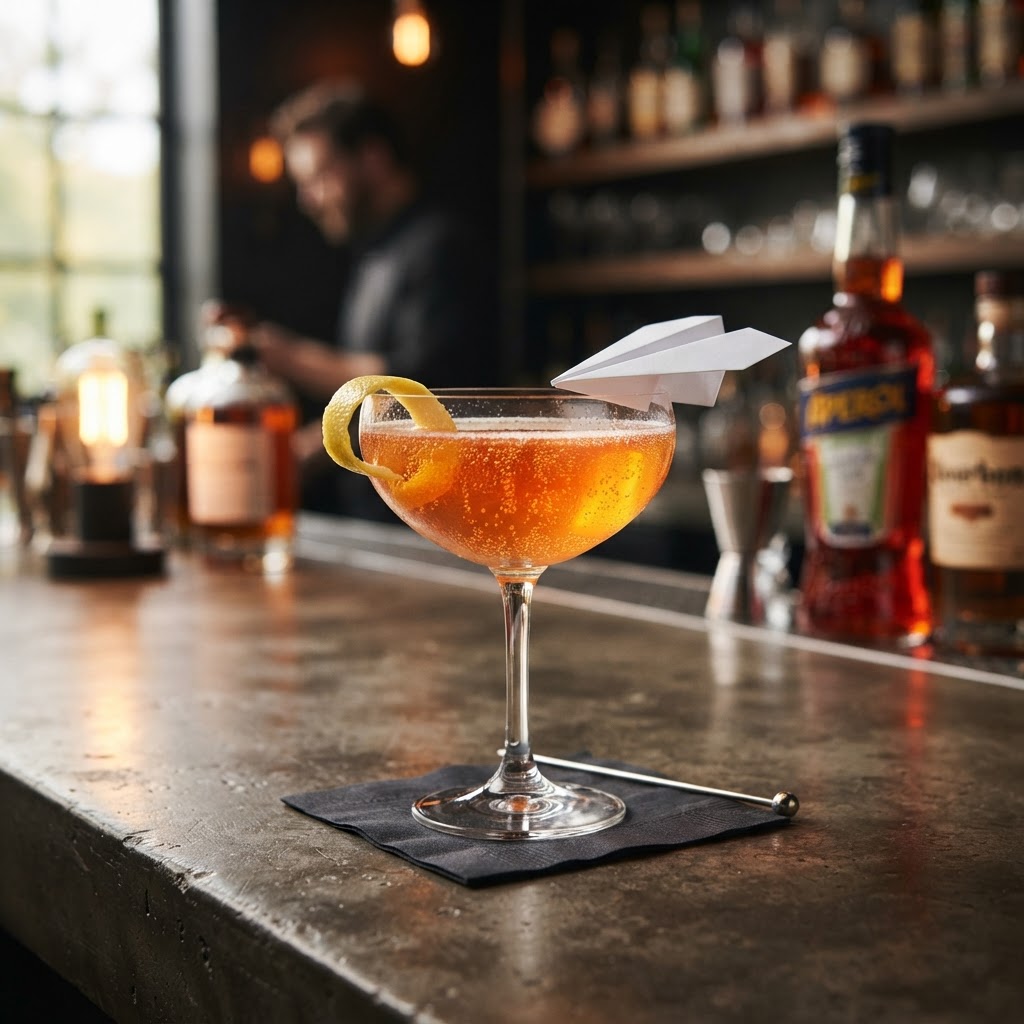
Perfect Mimosa Pairings
Mimosas that pair perfectly with this dish
Recent Posts

Couscous Royale: North Africa's Grand Platter of Lamb, Chicken, and Merguez
October 14, 2026

Seattle Cream Cheese Dog Bites: Hadley Long's 1989 Pioneer Square Invention
October 14, 2026

Khao Soi: Chiang Mai's Northern Thai Coconut Curry Noodles
October 13, 2026

Korean Bibimbap: Jeonju's Joseon Dynasty Mixed Rice
October 11, 2026

Spaghetti alla Carbonara: Rome's World War II Pasta of Eggs, Guanciale, and Pecorino
October 9, 2026