South African Bobotie Party Cups
July 20, 2026
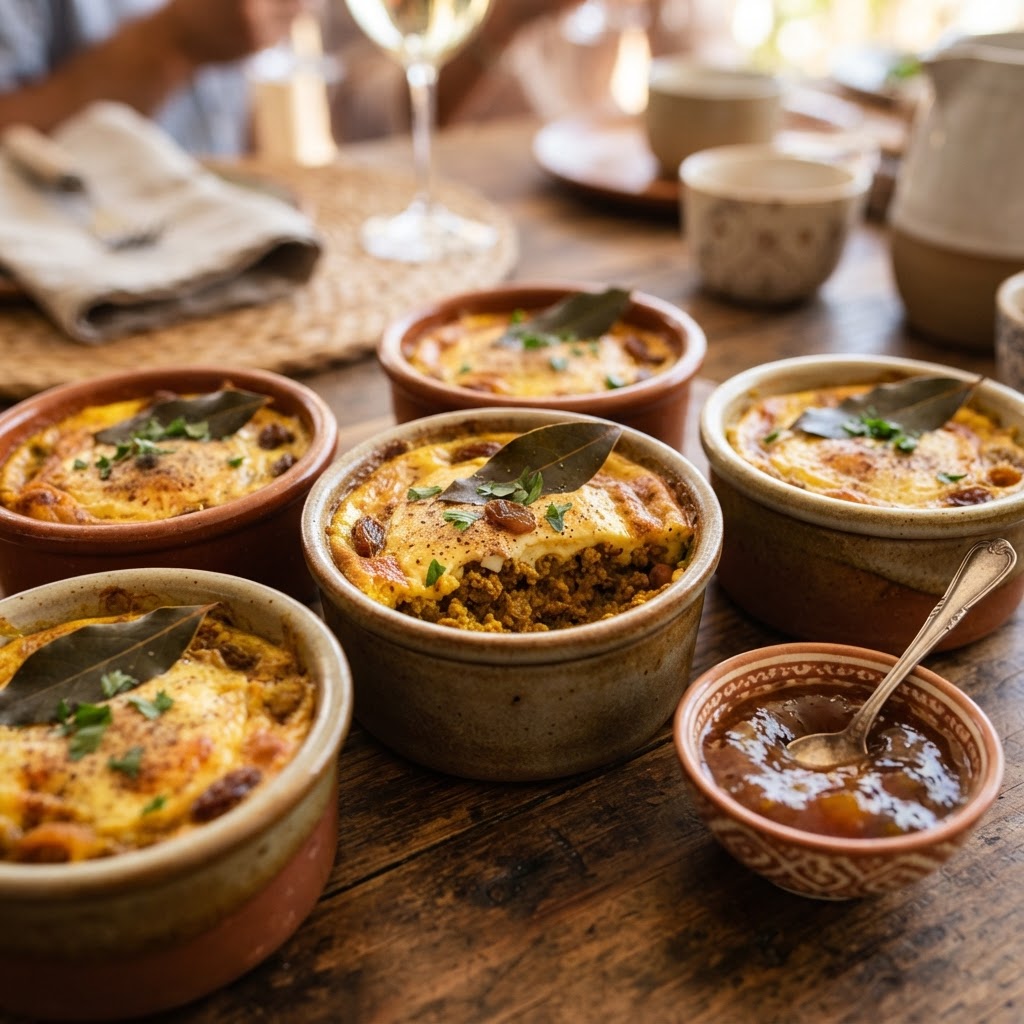
Bobotie (pronounced buh-boo-tee) is the national dish of South Africa — a baked, spiced minced beef casserole topped with a creamy, golden egg custard. It is a Cape Malay dish, rooted in the culinary tradition of the enslaved people brought to the Cape of Good Hope by the Dutch East India Company in the 17th and 18th centuries. The Cape Malay community blended Malaysian, Indonesian, and African flavors with Dutch cooking techniques, creating one of the world's great fusion cuisines. Bobotie is its crown jewel — a complex, aromatic, deeply comforting dish that is simultaneously savory, sweet, and spiced.
The origins of bobotie are debated. Some food historians trace it to a Indonesian dish called bobotok, a simple steamed or baked fish-and-egg custard. Others point to Dutch influences, as the Dutch East India Company brought Indonesian enslaved people and cooks to the Cape Colony beginning in 1652. Regardless of its exact origin, bobotie has been a distinctly South African dish for over 300 years. The first recorded recipe appears in a Dutch cookbook from 1609, but it was in the Cape that the dish took on its characteristic form: spiced minced beef, soaked bread, dried fruit (typically raisins or apricots), and a turmeric-scented egg custard topping, baked until golden.
For a party, individual bobotie cups — baked in small ramekins or phyllo shells — are an elegant, portable version of the classic casserole.
About the Ingredients
Beef should be ground beef with a moderate fat content (80/20). In South Africa, bobotie is sometimes made with lamb or a combination of beef and lamb. The meat is cooked with a complex spice blend — curry powder, turmeric, coriander, cumin, and cinnamon — that reflects the Cape Malay tradition.
Chutney is an essential accompaniment and ingredient. Mrs. H. S. Ball's chutney, produced in South Africa since 1856, is the leading brand. If unavailable, a good-quality fruit chutney like Major Grey's is an acceptable substitute.
Bread is soaked in milk and added to the meat — this is a frugal, Dutch-influenced technique that makes the filling moist and tender rather than dense.
Bay leaves are traditionally placed on top of the custard before baking — they perfume the dish and are a signature visual element of authentic bobotie.
Ingredients (makes 24 party cups):
Bobotie filling: - 2 lbs ground beef (80/20) - 1 large onion, finely diced - 2 cloves garlic, minced - 1 tablespoon fresh ginger, grated - 2 tablespoons vegetable oil - 2 tablespoons curry powder (medium) - 1 teaspoon ground turmeric - 1 teaspoon ground coriander - ½ teaspoon ground cumin - ½ teaspoon ground cinnamon - 2 slices white bread, crusts removed, soaked in ½ cup milk - ½ cup raisins or sultanas - 2 tablespoons mango chutney, chopped - 1 tablespoon lemon juice - 1 tablespoon Worcestershire sauce - 1 teaspoon salt - ½ teaspoon black pepper
Egg custard topping: - 3 large eggs - 1 cup whole milk - ½ teaspoon ground turmeric - ½ teaspoon salt - 24 small bay leaves for garnish (optional)
Base: - 24 mini phyllo shells (or small ramekins)
Instructions: Preheat the oven to 350°F (347°F).
Heat the oil in a large skillet over medium heat. Add the onion and cook until soft and translucent, about 5 minutes. Add the garlic and ginger and cook for 1 minute. Add the ground beef and cook, breaking it up with a wooden spoon, until browned. Drain excess fat.
Add the curry powder, turmeric, coriander, cumin, and cinnamon. Stir and cook for 2 minutes until fragrant. Squeeze the excess milk from the soaked bread and add the bread to the meat. Stir to combine — the bread should dissolve into the mixture, making it moist and cohesive.
Add the raisins, chutney, lemon juice, Worcestershire sauce, salt, and pepper. Stir well. Taste and adjust seasoning — the filling should be complex, slightly sweet, and warmly spiced. Add a splash of the soaking milk if the mixture seems dry.
For the custard: whisk the eggs, milk, turmeric, and salt until smooth.
Arrange the phyllo shells on a baking sheet. Spoon a generous tablespoon of the bobotie filling into each shell. Pour a spoonful of the egg custard over the filling in each shell — fill to just below the rim. Place a small bay leaf on top of each cup.
Bake for 15–18 minutes until the custard is set, puffed, and golden on top. Serve warm.
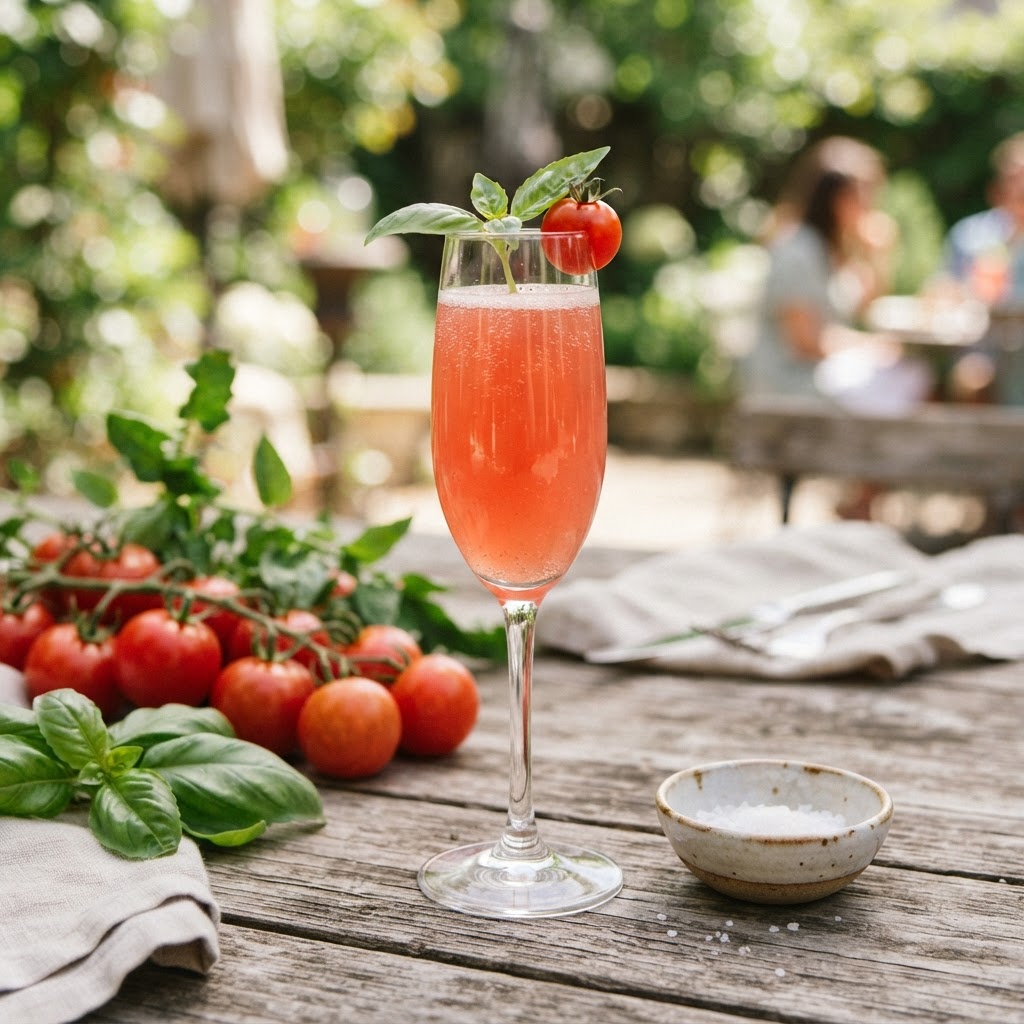
The Mimosa Pairing Logic: The complex, aromatic spices of bobotie — curry, turmeric, cinnamon — and the creamy custard topping call for a mimosa with bright acidity and complementary fruit notes. A mango mimosa or a passionfruit mimosa is ideal — the tropical fruit in the mimosa echoes the Cape Malay spice palette, with its Indonesian and Indian influences, while the wine's acidity cuts through the richness of the custard and the beef. The mango or passionfruit provides a sweet counterpoint to the curry's warmth, creating a balanced and globally inspired pairing.
Reference Links: - South African bobotie recipe: Drizzle and Dip - Cape Malay bobotie: The Tasty Chilli - South African cuisine guide: TasteAtlas
Make-Ahead: The bobotie filling can be made up to 2 days ahead and refrigerated — the flavors deepen overnight. The custard can be whisked up to 1 day ahead. Assemble and bake just before serving. Baked bobotie cups can be reheated in a 300°F oven for 8–10 minutes.
Pro Tips: The bread is not optional — it is the ingredient that gives bobotie its characteristic moist, tender texture. Squeeze out the excess milk before adding it; too much liquid makes the filling soupy. The custard should be poured to just below the rim of the shell — it puffs during baking and will overflow if overfilled. The bay leaf on top is traditional and aromatic — use small, fresh bay leaves and warn guests not to eat them. The curry powder should be a mild, fragrant blend — not a fiery one. The bobotie should be warmly spiced, not hot.
Rate this recipe
Be the first to rate this recipe
to submit your rating.
Perfect Mimosa Pairings
Mimosas that pair perfectly with this dish
Recent Posts
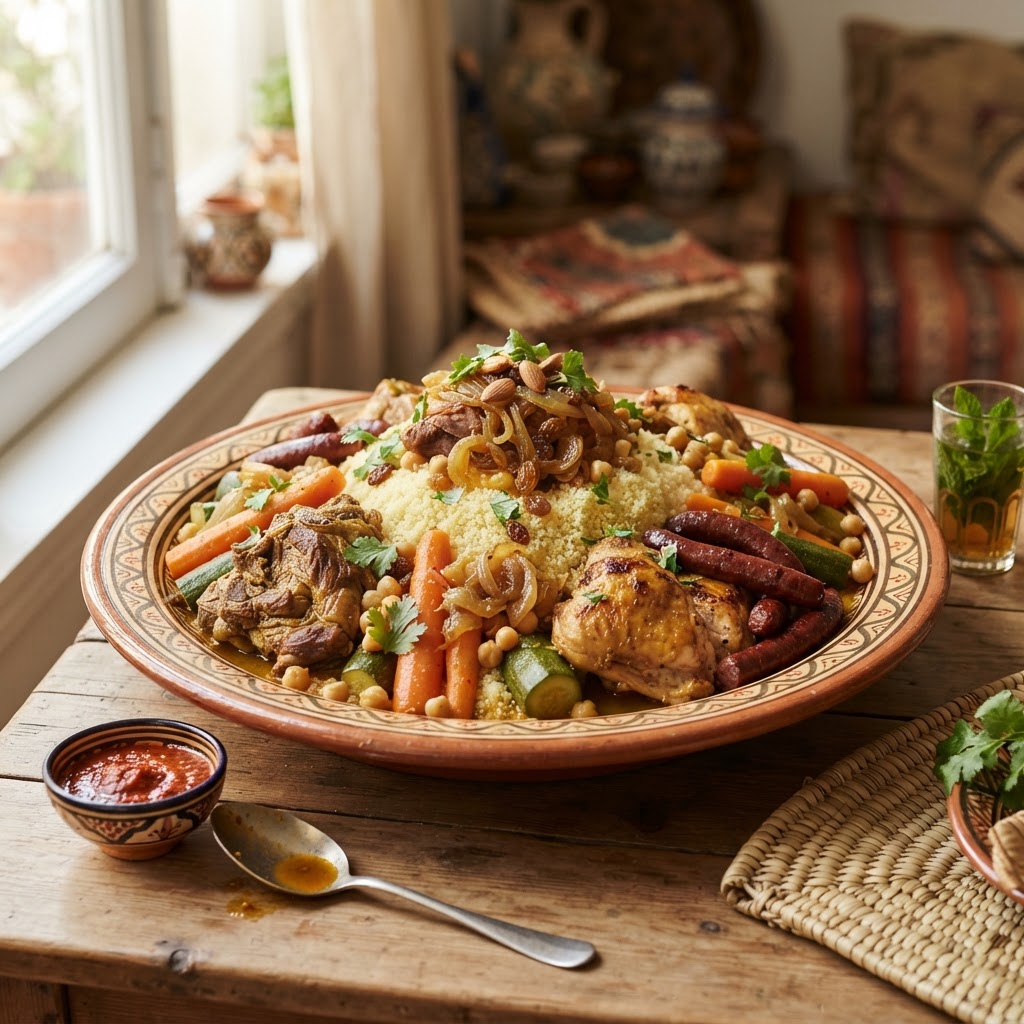
Couscous Royale: North Africa's Grand Platter of Lamb, Chicken, and Merguez
October 14, 2026
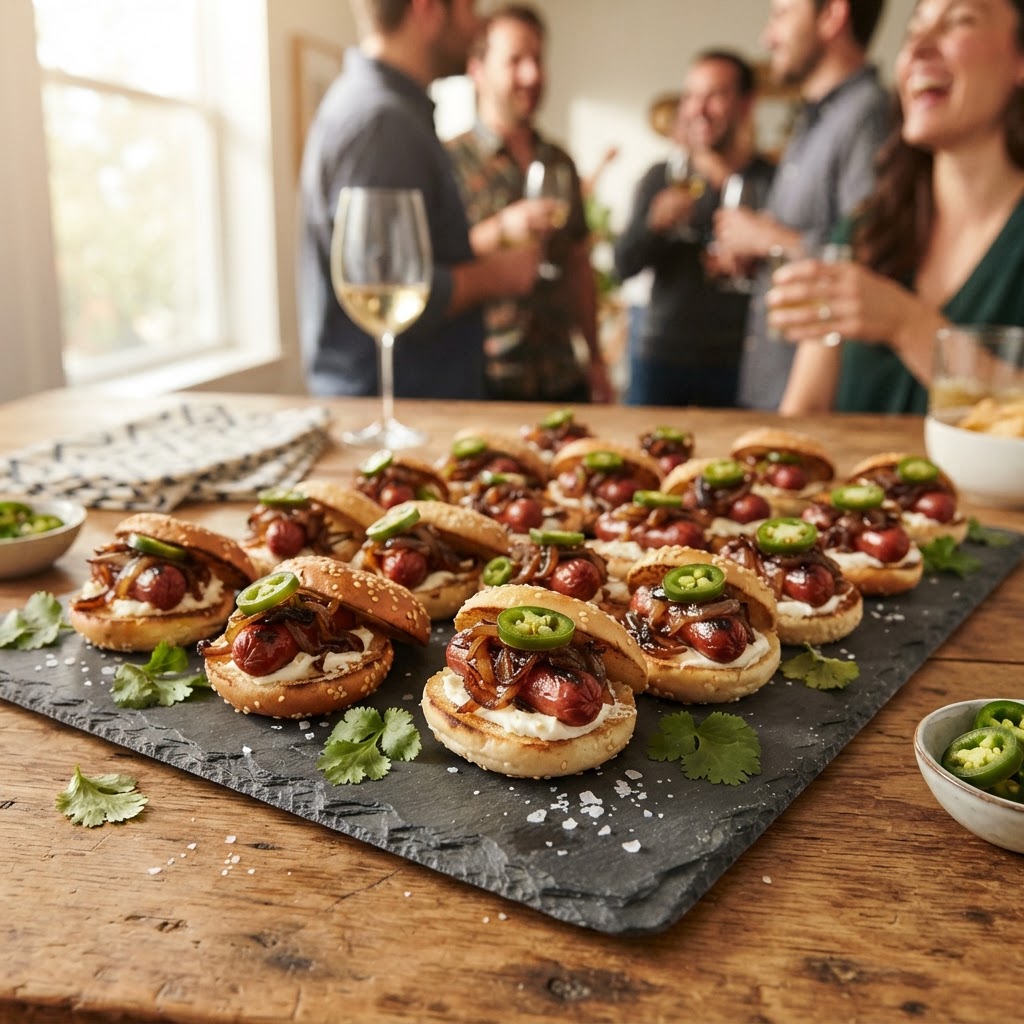
Seattle Cream Cheese Dog Bites: Hadley Long's 1989 Pioneer Square Invention
October 14, 2026
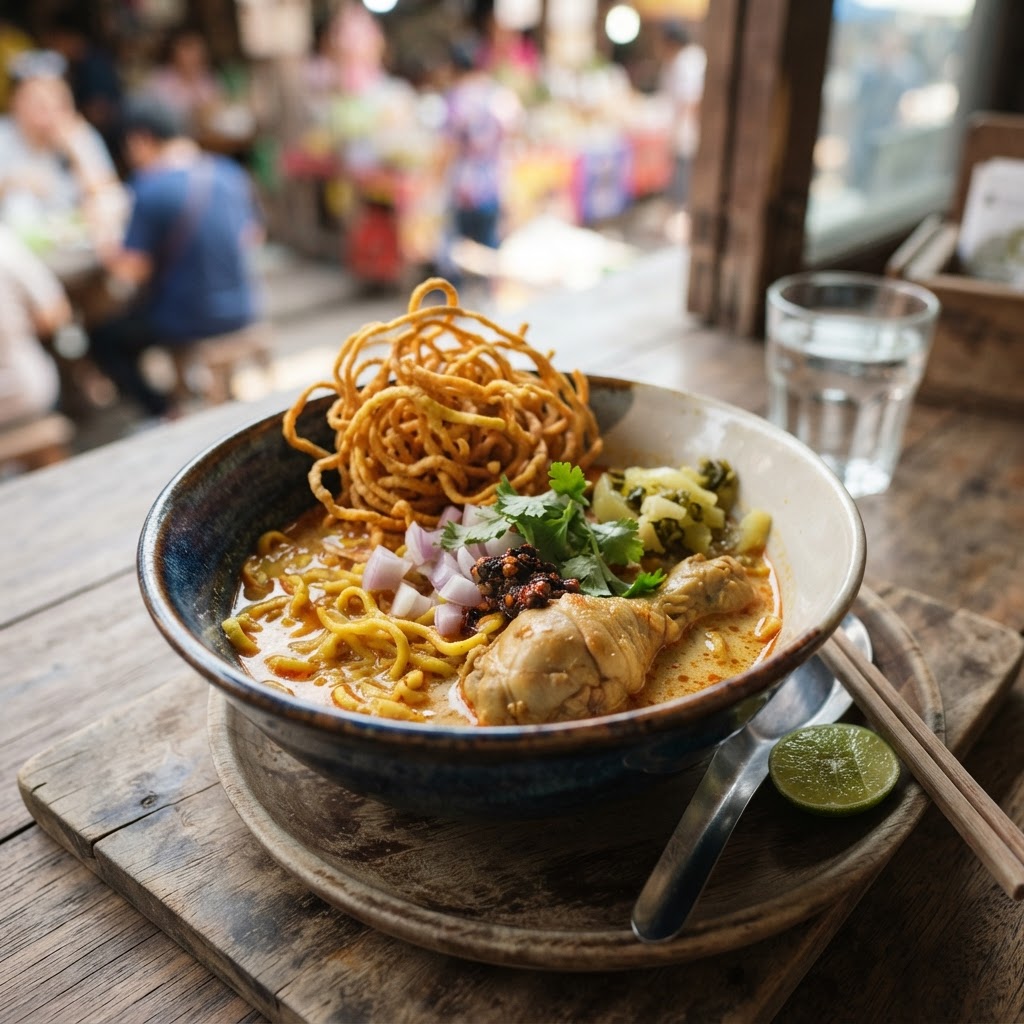
Khao Soi: Chiang Mai's Northern Thai Coconut Curry Noodles
October 13, 2026
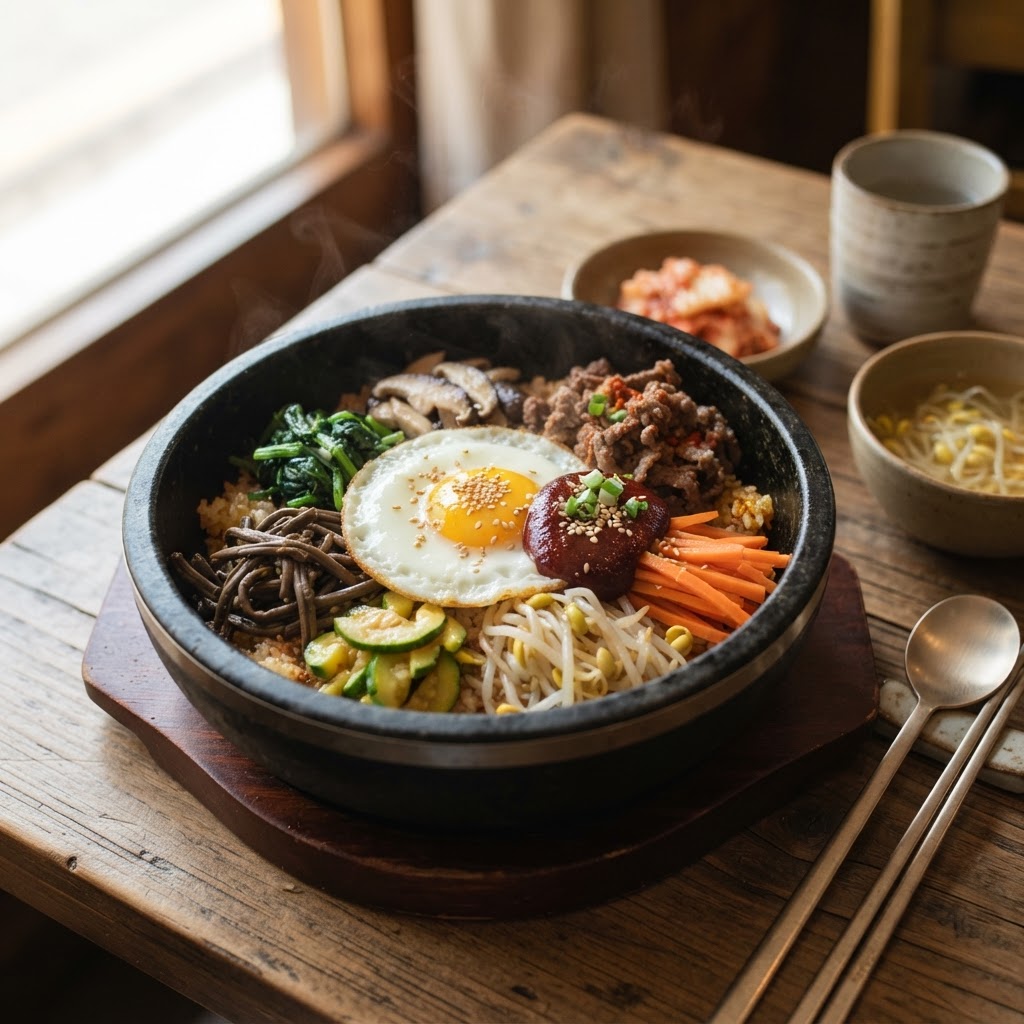
Korean Bibimbap: Jeonju's Joseon Dynasty Mixed Rice
October 11, 2026
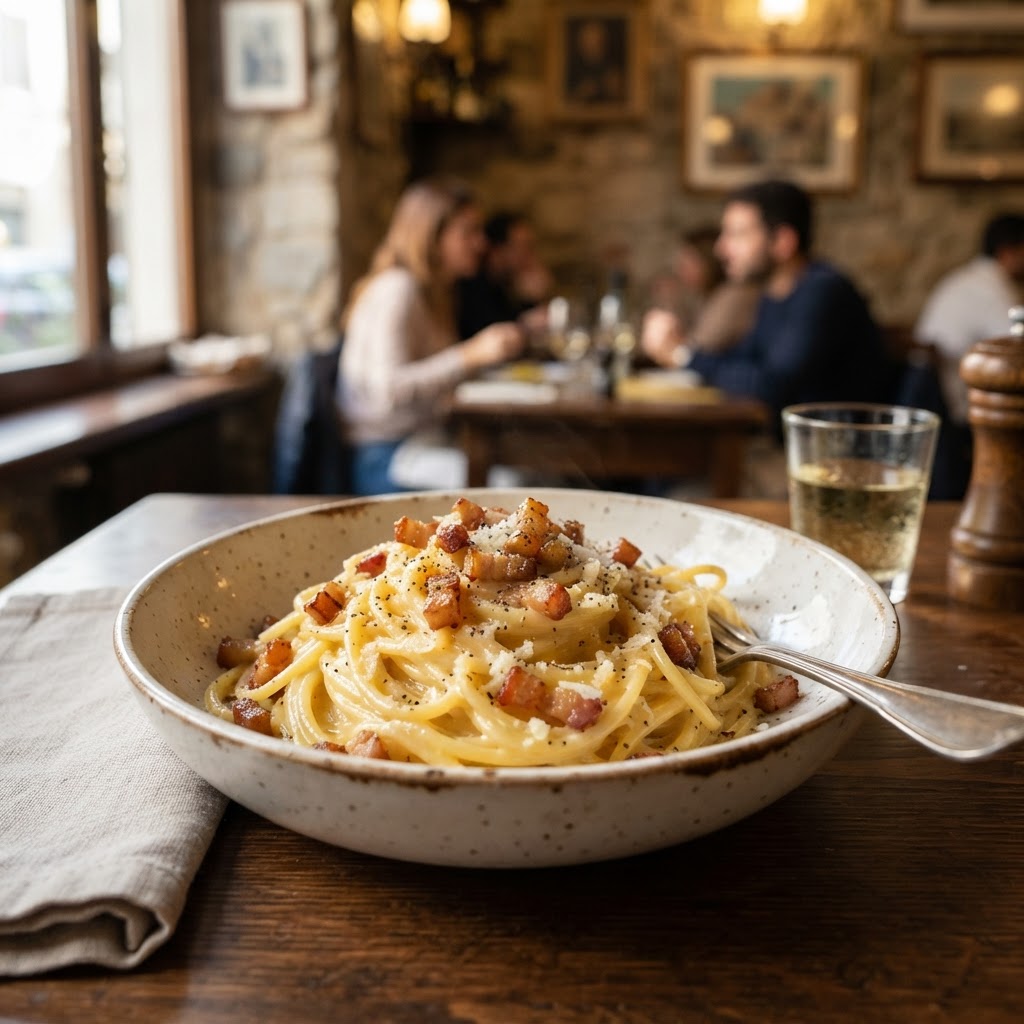
Spaghetti alla Carbonara: Rome's World War II Pasta of Eggs, Guanciale, and Pecorino
October 9, 2026