Shoofly Pie allo Spumante

January 27, 2026
According to the Pennsylvania Dutch culinary historian William Woys Weaver, shoofly pie evolved in the 1880s from a molasses crumb cake baked for the 1876 centennial of the Declaration of Independence (America's Test Kitchen). The Pennsylvania Dutch, the German-speaking Mennonites and Amish who settled the southeastern corner of the state in the late seventeenth and early eighteenth centuries, had carried a Rhineland tradition of dark, treacly sweeteners across the Atlantic (What's Cooking America). Once settled, they adapted it to the molasses that was cheap and abundant in Pennsylvania, a byproduct of sugar refining that could be had for almost nothing, and the pie was the result. It is a dark, sweet, molasses pie with a crumb topping and a gooey, almost custard-like bottom, unlike anything else in the American baking canon.
The most repeated story of the name traces to a brand of molasses called Shoofly, which took its name in turn from a circus mule that travelled with the Orrin Bros. Circus in the 1870s and was pictured on the label. A second, homespun theory holds that the sweet molasses filling drew flies while the pie cooled on the windowsill, and that the name is simply instruction. Both may be true.
Every shoofly pie falls into one of two camps, and people care which. The wet-bottom pie leaves a soft, syrupy layer of molasses under its crumb, almost a pudding, and it is the one most associated with Lancaster County. The dry-bottom version works the crumb through the filling so the whole bakes up uniformly cakelike. Wet bottom is the older and the more argued over (Miller's Smorgasbord).
A measure of Italian spumante stirred into the molasses filling does quietly what a squeeze of lemon does for a treacle tart. The wine's bright acidity cuts the density of the molasses and lets a faint, fruity note come up underneath, so the pie reads as sweet and deep without tipping into heaviness.
Ingredients (serves 8):
The Crumb Topping: - 7 oz all-purpose flour - 3 ½ oz brown sugar - 2 ⅞ oz unsalted butter, cold, cut into cubes - ½ teaspoon ground cinnamon - ¼ teaspoon ground nutmeg - A pinch of salt
The Molasses Filling: - 7 oz molasses (not blackstrap — use light or dark molasses) - 3 ½ oz brown sugar - 1 large egg, beaten - 1 teaspoon baking soda - ½ cup boiling water - 3 ⅓ tbsp Spumante (Italian sparkling wine, brut) - ¼ teaspoon ground cinnamon - A pinch of salt
The Pie Crust: - 1 single-crust pie crust (9 in / 9-inch), homemade or store-bought
Making the Crumb Topping: In a bowl, combine the flour, brown sugar, cinnamon, nutmeg, and salt. Add the cold butter cubes and cut in with your fingers or a pastry blender until the mixture resembles coarse crumbs with some pea-sized pieces. Set aside.
Making the Filling: Preheat the oven to 392°F (400°F). Line a 9 in (9-inch) pie dish with the pie crust.
In a large bowl, whisk together the molasses, brown sugar, egg, Spumante, cinnamon, and salt. Dissolve the baking soda in the boiling water and add it to the molasses mixture, whisking to combine — the mixture will foam up.
Pour about half of the molasses mixture into the unbaked pie crust. Sprinkle about half of the crumb topping evenly over the liquid. Pour the remaining molasses mixture on top, then sprinkle the remaining crumb topping over everything.
Baking: Bake at 392°F (400°F) for 15 minutes, then reduce the heat to 347°F (350°F) and bake for another 25–30 minutes, until the filling is set around the edges but still has a slight wobble in the center (for a wet-bottom pie). The crumb topping should be deep golden brown.
Let cool completely — at least 2 hours — before slicing. The filling will continue to set as it cools.
Serving: Slice and serve at room temperature. In Pennsylvania Dutch tradition, shoofly pie is often served for breakfast with a cup of strong coffee. It also pairs beautifully with a scoop of vanilla ice cream or a dollop of whipped cream.
The Mimosa Pairing Logic: Since the filling contains Spumante, pair with a classic Prosecco mimosa — orange juice and Prosecco. The bright citrus cuts through the deep, sweet molasses. An apple cider mimosa is also excellent — the cider echoes the autumnal, harvest flavors of the pie. Avoid heavy or sweet mimosas — shoofly pie is intensely sweet, and you need something bright and refreshing to balance it.
Reference Links: - History of Shoofly Pie (Pennsylvania Dutch, molasses): What's Cooking America - What is Shoofly Pie? (Lancaster, Pennsylvania Dutch): Miller's Smorgasbord - Shoofly pie on Wikipedia (Pennsylvania Dutch origins): Wikipedia - Spumante Italian sparkling wine guide: Wine Folly
Make-Ahead: Shoofly pie can be made 1–2 days ahead and stored at room temperature, covered loosely with foil. It actually improves after a day as the molasses flavor deepens. Do not refrigerate — refrigeration makes the crust soggy. The pie can be frozen for up to 2 months — thaw at room temperature overnight. Reheat slices in a 347°F/350°F oven for 5–8 minutes to restore the crisp crumb topping.
Pro Tips: Use light or dark molasses, not blackstrap — blackstrap molasses is too bitter and strong for this pie. The boiling water activates the baking soda, which lightens the dense molasses filling — make sure the water is truly boiling. Don't overbake — the center should still have a slight wobble for a proper "wet bottom" texture. The crumb topping creates two layers: some sinks into the molasses mixture, creating a cake-like middle layer, while the rest stays on top as a crisp, golden streusel. Let the pie cool completely before slicing — the molasses filling needs time to set, and cutting it warm will give you a molasses puddle. Shoofly pie is traditionally a breakfast dish in Pennsylvania Dutch country — don't be afraid to serve it with morning coffee.
Rate this recipe
Be the first to rate this recipe
to submit your rating.
Recent Posts
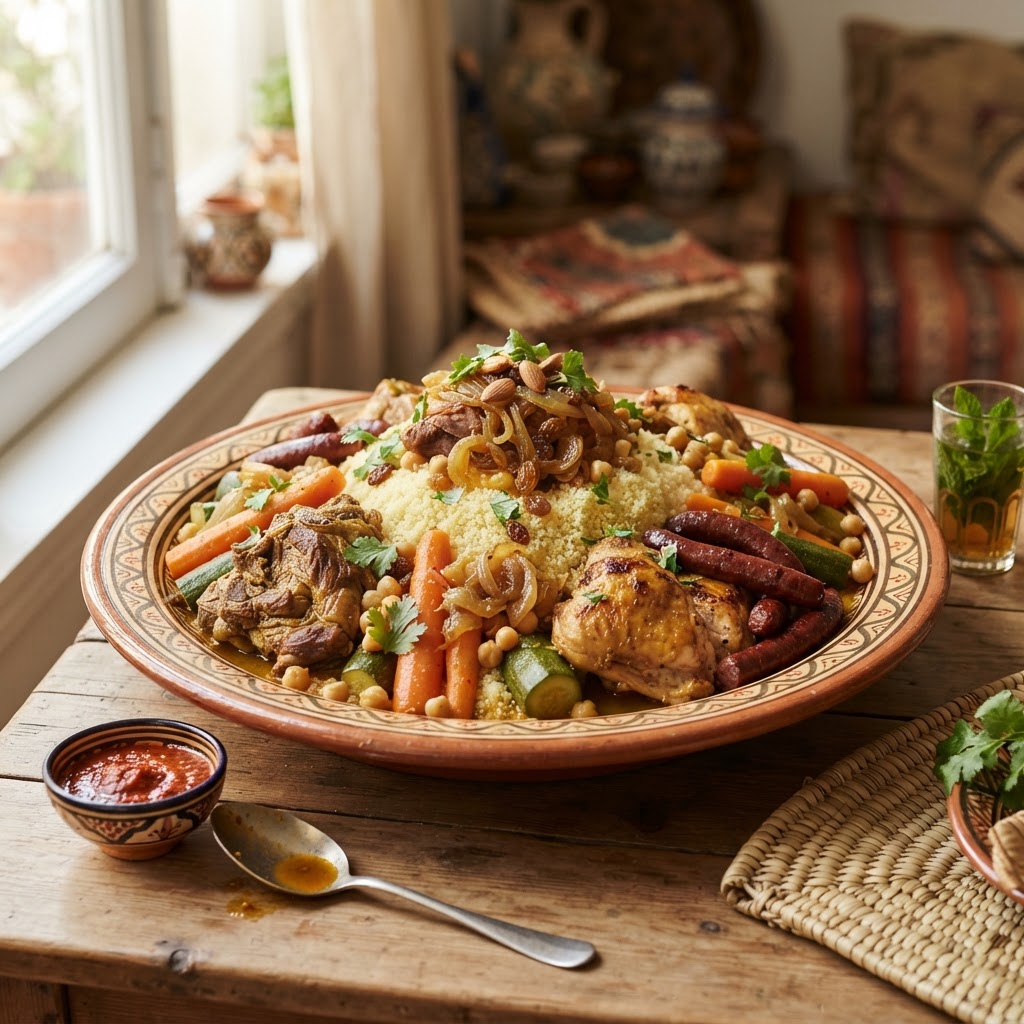
Couscous Royale: North Africa's Grand Platter of Lamb, Chicken, and Merguez
October 14, 2026

Seattle Cream Cheese Dog Bites: Hadley Long's 1989 Pioneer Square Invention
October 14, 2026
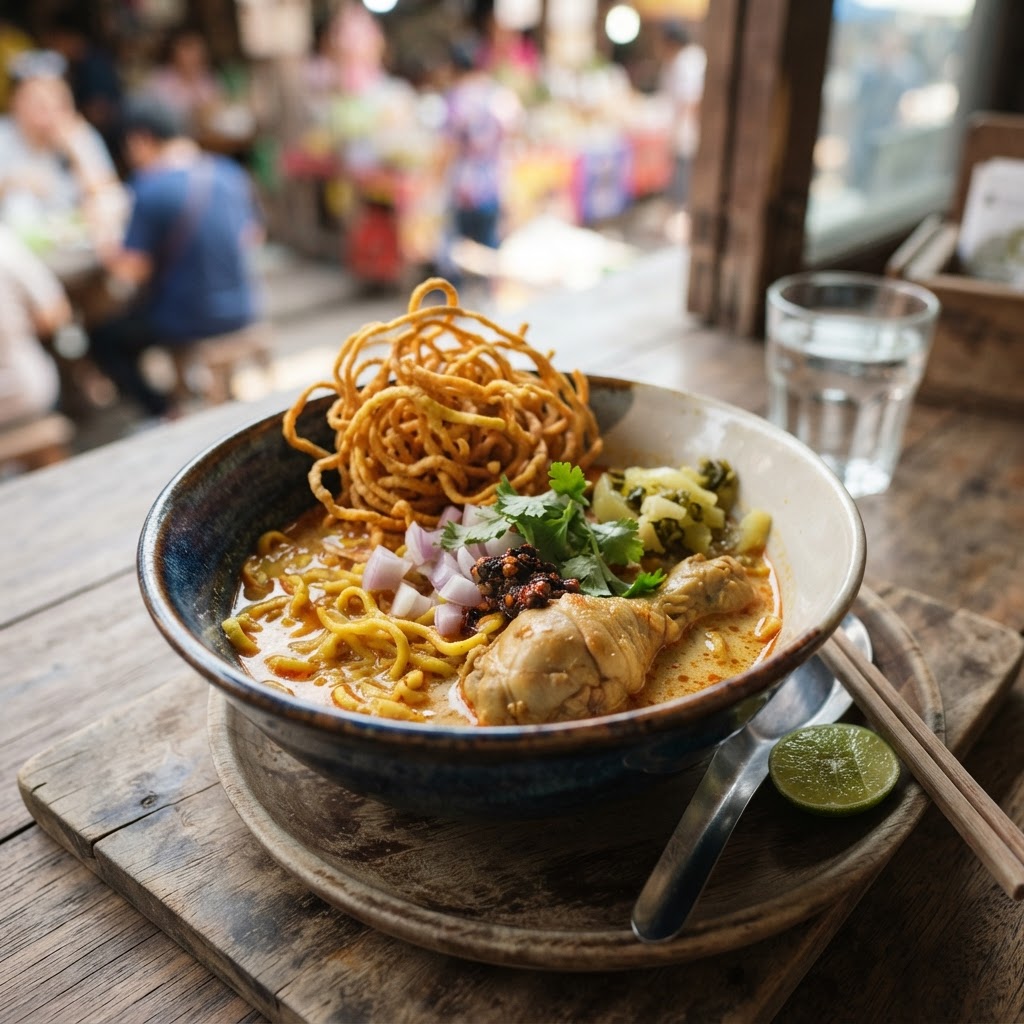
Khao Soi: Chiang Mai's Northern Thai Coconut Curry Noodles
October 13, 2026
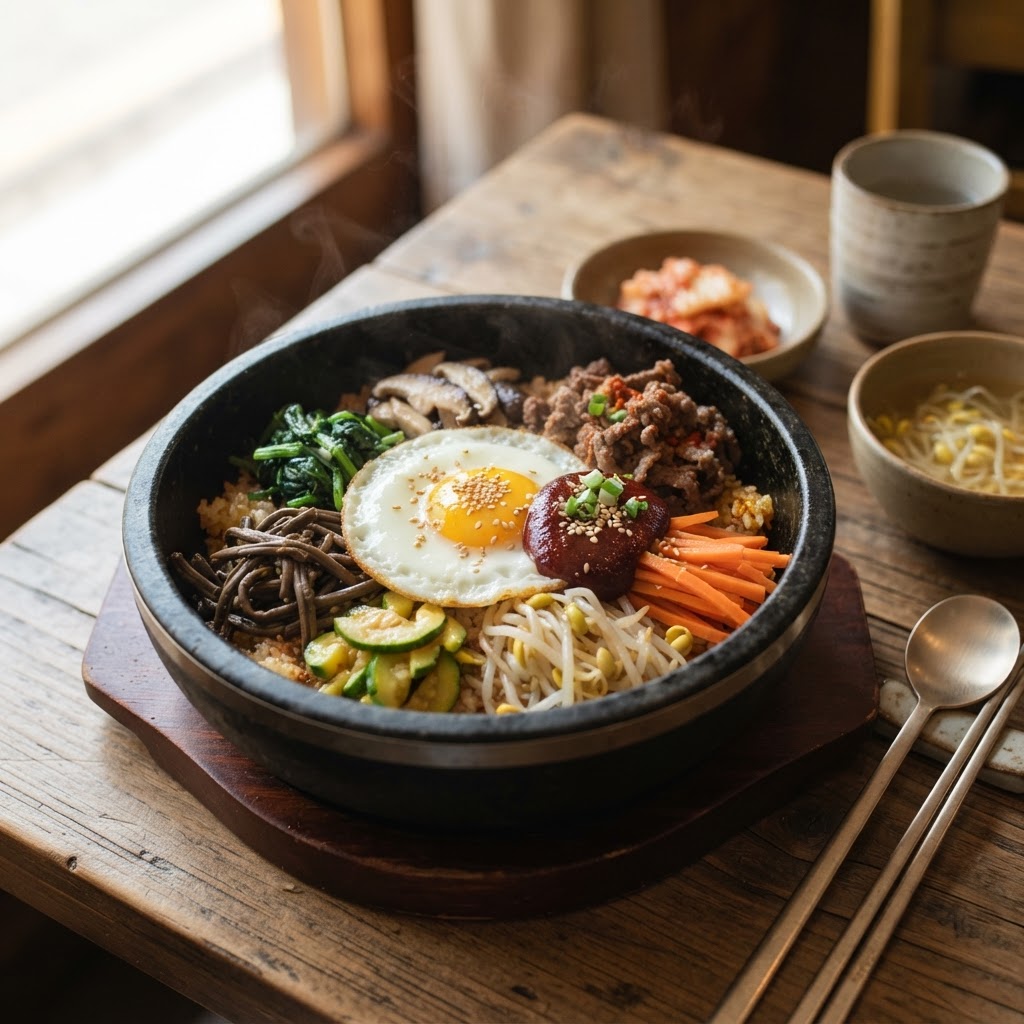
Korean Bibimbap: Jeonju's Joseon Dynasty Mixed Rice
October 11, 2026
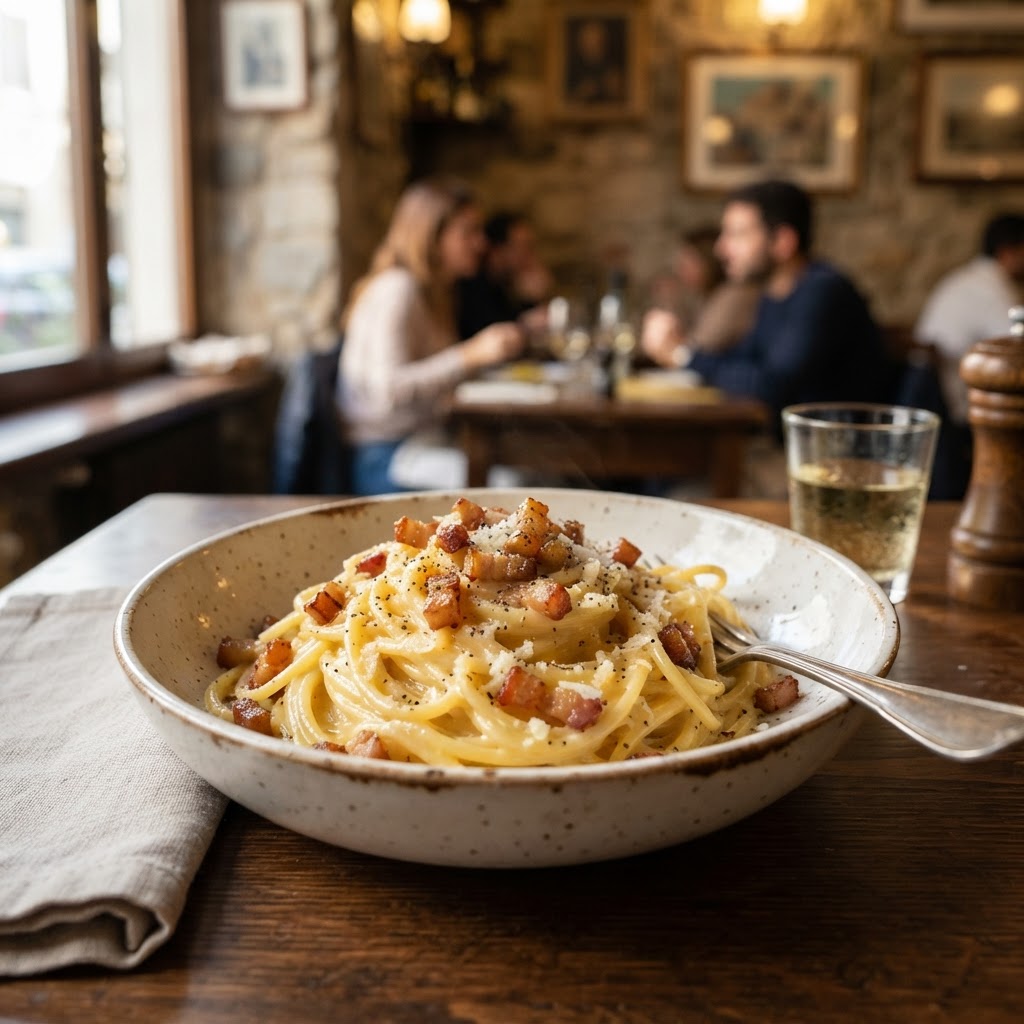
Spaghetti alla Carbonara: Rome's World War II Pasta of Eggs, Guanciale, and Pecorino
October 9, 2026