The Pomelo Elderflower Champagne Mimosa
May 20, 2026
The pomelo (*Citrus maxima*) is the largest citrus fruit in the world — the ancestor of both the grapefruit and the sweet orange — and its juice is one of the most under-utilized in Western cocktail culture. Where grapefruit juice is bitter-tart with a harsh edge, pomelo is gentler: less bitter, more floral, with a clean citrus sweetness that makes it notably more refined in a champagne flute. Combined with St-Germain elderflower liqueur — whose floral-citrus character is a natural companion to pomelo's subtle fragrance — the result is a mimosa of unusual elegance and restraint.
About Pomelo
The pomelo (*Citrus grandis* or *C. maxima*) is native to Southeast Asia, widely cultivated across China, Vietnam, Thailand, and Malaysia, and increasingly available at Asian grocery stores and specialty markets throughout the US and Europe. The most common varieties are the Chandler (pale green exterior, pink flesh, milder flavor) and the Chinese White (yellow exterior, white flesh, sweeter and less acidic). Both work well in this recipe; the Chandler's pink flesh produces a slightly deeper color in the glass.
Pomelo season in the US peaks from November through April, with California Chandler pomelos available at Whole Foods and Asian grocery stores during this window. Year-round, Ceres Pink Grapefruit Juice is a good substitute — slightly more bitter than pomelo but in the same citrus register. Fresh is always preferred.
St-Germain elderflower liqueur (stgermain.fr) is handcrafted in France from fresh elderflowers harvested once per year in the Alps, macerated in neutral grain spirit. Its floral-citrus character makes it one of the most versatile cocktail ingredients available — the "bartender's ketchup" of the craft cocktail era, capable of elevating almost any base.
Ingredients (serves 6): - 1¼ cups fresh-squeezed pomelo juice (from 1 large pomelo — pomelos yield approximately ⅔ to ¾ cup each) - 2 oz St-Germain elderflower liqueur - 1 tablespoon fresh lemon juice - 1 bottle (25 oz chilled Champagne Brut NV or Crémant d'Alsace - Thin pomelo wheels, edible flowers, and fresh mint for garnish
Instructions: Halve the pomelo and juice — pomelos are thick-skinned and require firm pressure; use a citrus press rather than a hand reamer for maximum yield. Strain through a fine sieve. Stir pomelo juice, St-Germain, and lemon juice together. Taste: the blend should be floral, mildly sweet, and cleanly citrusy. Chill thoroughly.
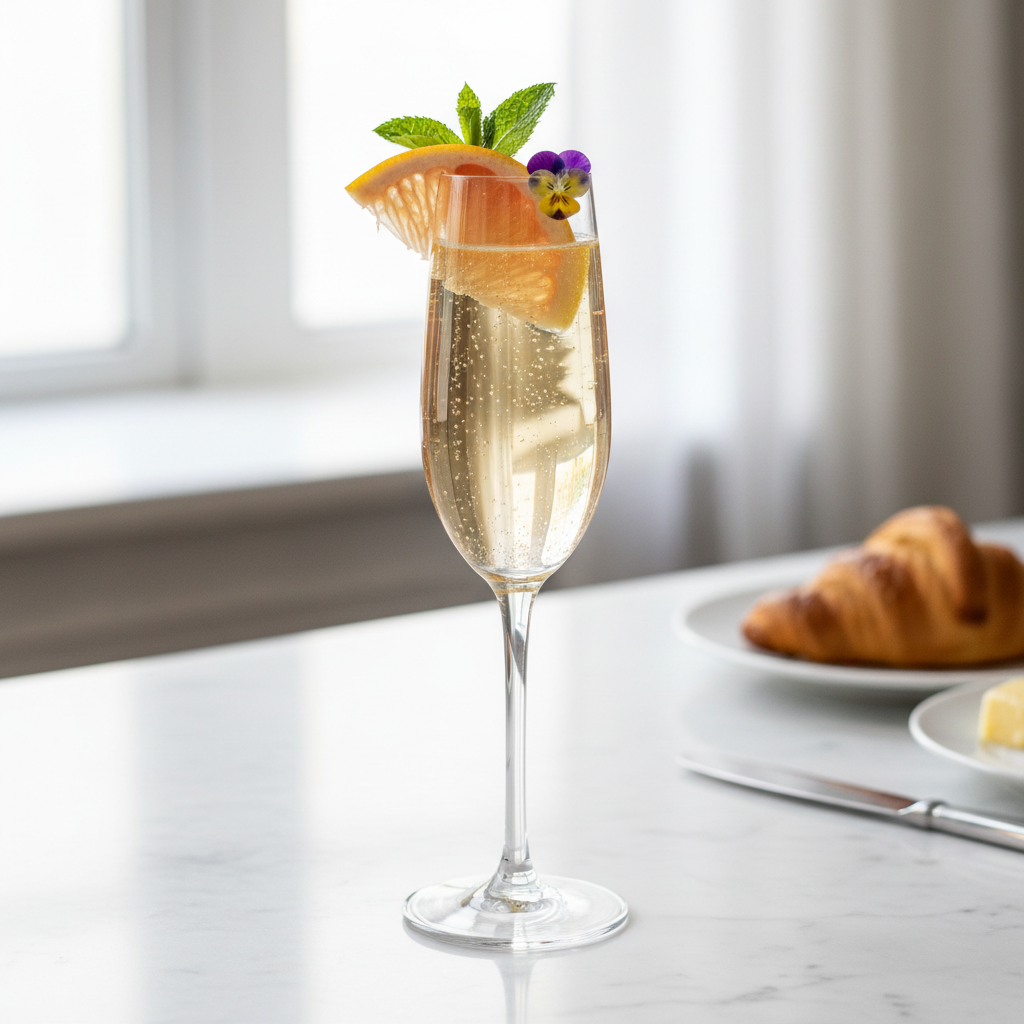
Chill Champagne flutes for 5 minutes. Pour 2 oz of the pomelo-elderflower blend into each flute. Top slowly with chilled Champagne. The pale golden juice and Champagne create a beautifully clean, barely-tinted drink. Garnish with a thin pomelo wheel on the rim, a mint sprig, and — for an occasion-appropriate finish — a small edible flower (viola, elderflower if in season, or a dried citrus blossom).
For a Mimosa Bar (serves 12): - 2½ cups pomelo juice - 4 oz St-Germain - 2 tablespoons lemon juice - 2 bottles Champagne Brut, chilled
Variations: - Replace St-Germain with Cointreau for a Pomelo Cointreau Champagne Mimosa with a more straightforward orange-citrus dimension. - Add a pinch of fleur de sel to the rim for a Pomelo Elderflower Salted Champagne Mimosa that bridges sweet and savory. - For a Pomelo Rosemary Champagne Mimosa, steep a sprig of fresh rosemary in the pomelo juice for 30 minutes before combining with St-Germain.
Pairing: The Pomelo Elderflower Champagne Mimosa's gentle bitterness and floral character make it one of the most food-versatile mimosas in the collection. It pairs with particular excellence alongside smoked salmon, light salads, and delicate egg preparations — the bitterness complements the richness of hollandaise and cream cheese beautifully. It is also exceptional alongside the cheese course.
Pro Tips: Pomelos can be challenging to juice — peel them like an orange (removing both the outer skin and the thick white pith) and blend the segments, then strain, for a higher yield than traditional pressing. The thick pith is the source of bitterness in the whole fruit; removing it completely before juicing produces a significantly sweeter, more refined result.
Rate this recipe
Be the first to rate this recipe
to submit your rating.
Recent Posts
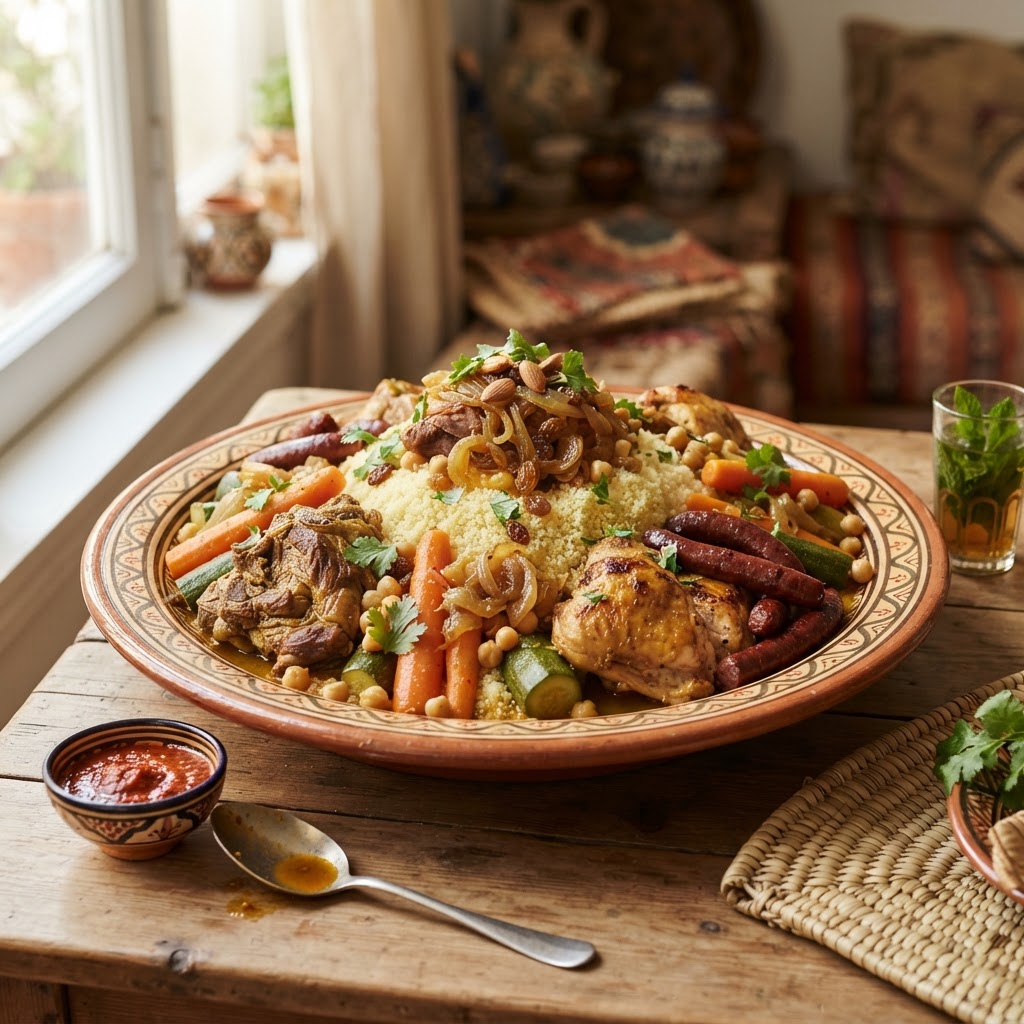
Couscous Royale: North Africa's Grand Platter of Lamb, Chicken, and Merguez
October 14, 2026

Seattle Cream Cheese Dog Bites: Hadley Long's 1989 Pioneer Square Invention
October 14, 2026
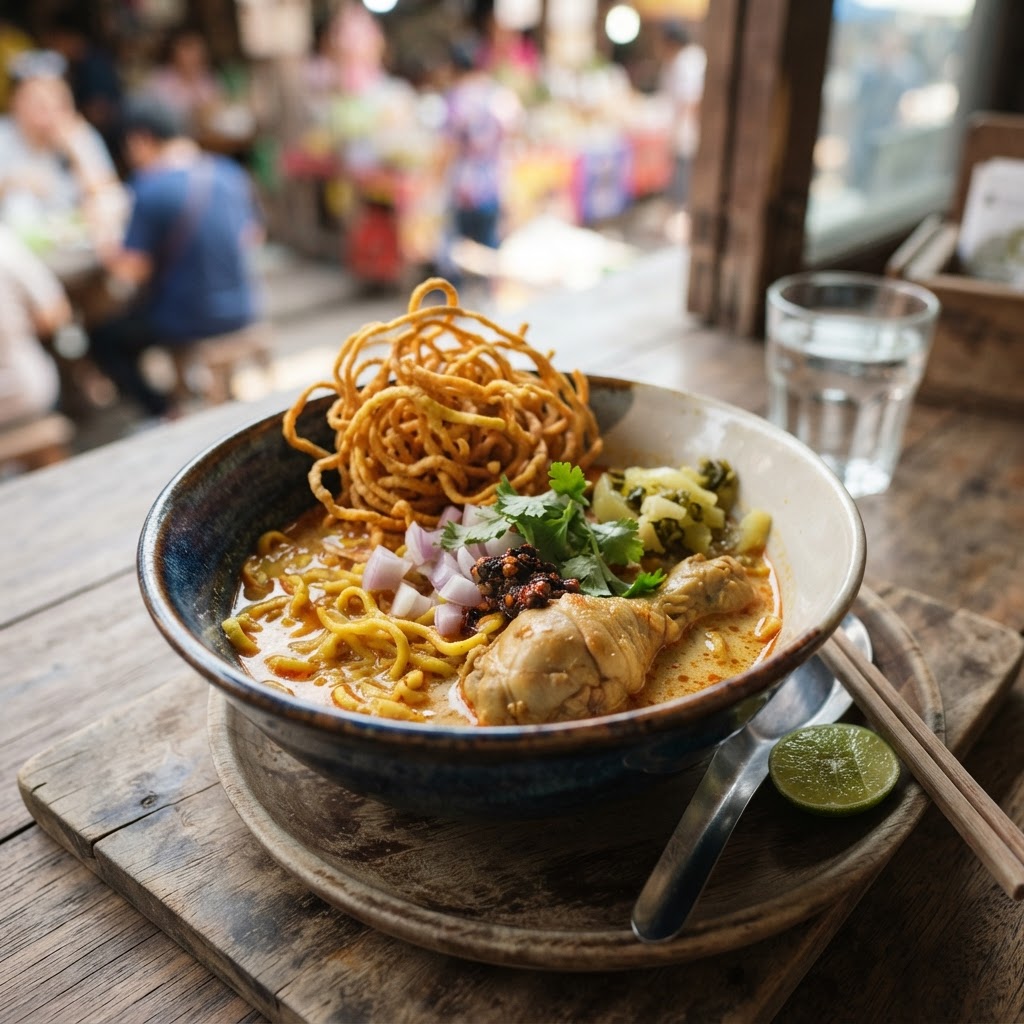
Khao Soi: Chiang Mai's Northern Thai Coconut Curry Noodles
October 13, 2026
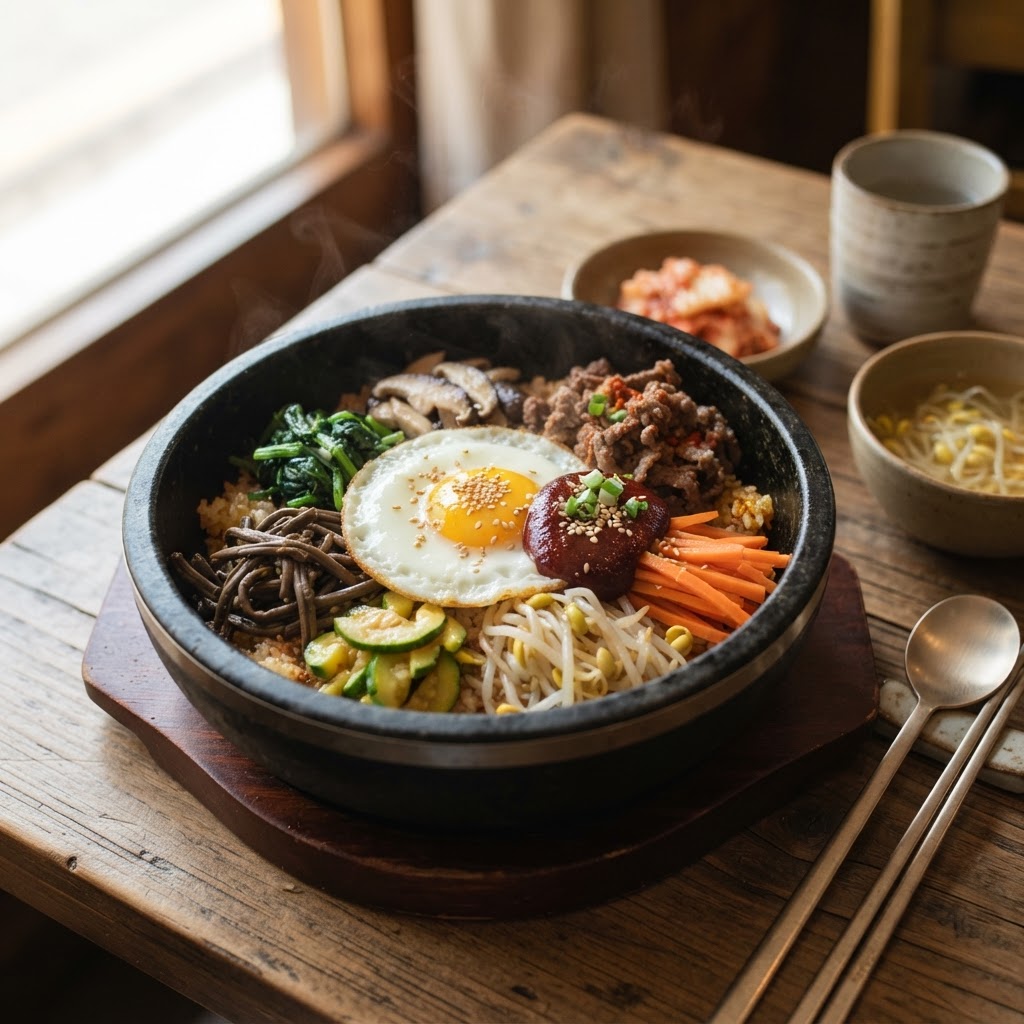
Korean Bibimbap: Jeonju's Joseon Dynasty Mixed Rice
October 11, 2026
Spaghetti alla Carbonara: Rome's World War II Pasta of Eggs, Guanciale, and Pecorino
October 9, 2026