Peruvian Papas a la Huancaína: The Andean Potato Dish of the Central Railroad
September 5, 2026
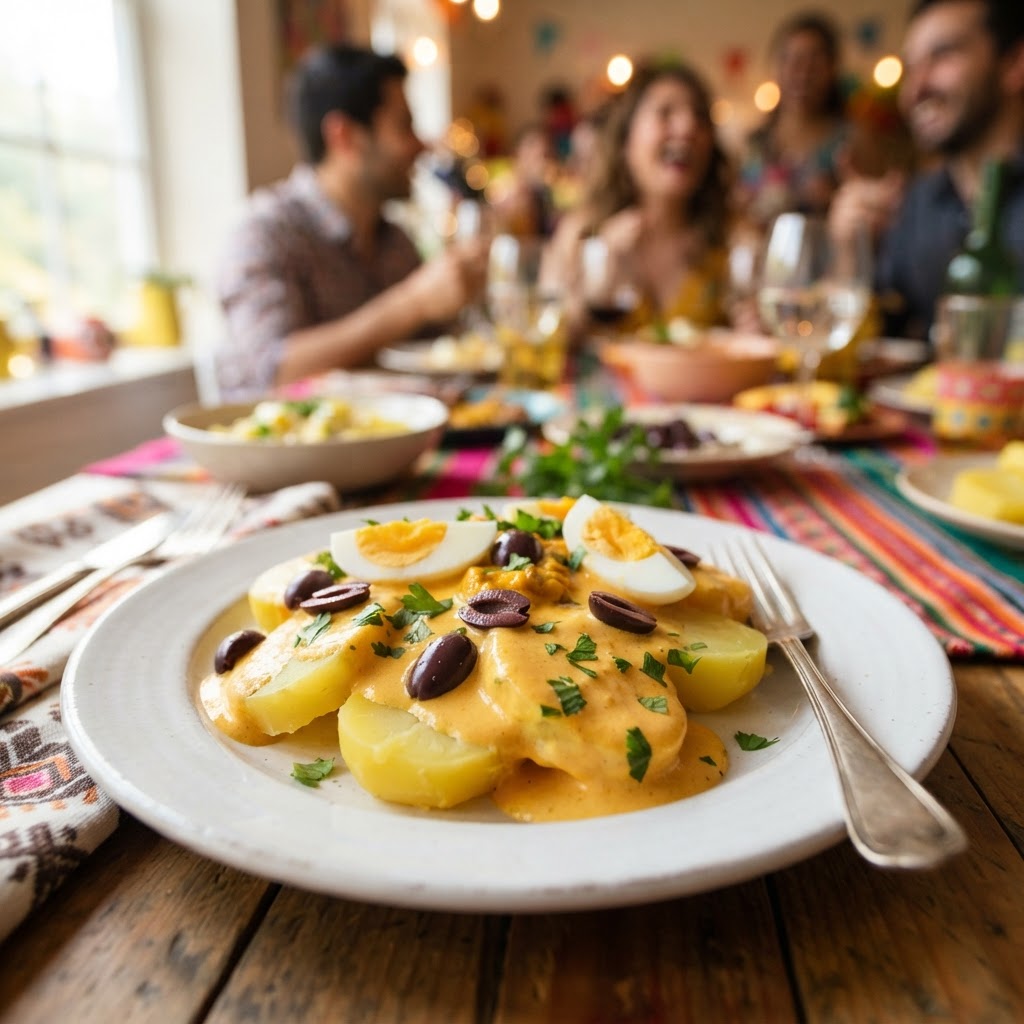
Papa a la Huancaína, literally "Huancayo-style potatoes," is a Peruvian appetizer of boiled yellow potatoes blanketed in a creamy, golden sauce made from queso fresco and ají amarillo, the bright yellow chili pepper that is the backbone of Peruvian cooking. The most widely told origin story places the dish's creation during the construction of Peru's Central Railroad, which stretched from Lima to Huancayo in the late nineteenth and early twentieth centuries. According to this account, the food for the railroad workers was prepared by women from the city of Huancayo, who boiled potatoes and served them with a sauce of cheese, pepper, and milk. A competing version claims the dish was sold to passengers at the railway stations between Lima and Huancayo as a light meal, and that the name evolved from "potatoes that you eat en route to Huancayo" to *papas a la huancaína*. Regardless of which story is accurate, the dish has become one of the most popular and representative foods in Peru, served cold at picnics, family gatherings, and holiday celebrations across the country. The ají amarillo pepper, cultivated on Peru's coast for over 4,000 years, gives the sauce its characteristic golden color and a fruity, moderately spicy heat that is unlike any other chili in the world.
For a party, papas a la huancaína is an ideal cold appetizer: sliced potatoes on a platter, generously sauced and garnished with olives and eggs. It requires no last-minute cooking and actually improves after a few hours in the refrigerator as the flavors meld.
Ingredients (serves 10–12):
Potatoes: - 2 lb yellow or Yukon Gold potatoes (the yellowest you can find) - Kosher salt
Huancaína Sauce: - 4 oz queso fresco or farmer's cheese (feta soaked in water is an acceptable substitute) - 2–3 ají amarillo peppers, seeded and deveined (or 3 tablespoons ají amarillo paste) - ½ cup evaporated milk - 2 tablespoons vegetable oil - 4 saltine crackers (or 1 slice white bread, crust removed) - 1 small red onion, roughly chopped - 2 cloves garlic - 1 teaspoon turmeric (for color, if using fresh peppers rather than paste) - Salt and white pepper to taste
Garnish: - 6–8 large black olives (Botija olives if available) - 2 hard-boiled eggs, quartered - Fresh parsley or cilantro, chopped
Boiling the Potatoes: Place the whole, unpeeled potatoes in a pot of salted water and bring to a boil. Cook 20–25 minutes until tender when pierced with a fork. Drain, let cool until handleable, then peel. Slice the potatoes into ¼-inch thick rounds. The yellow-fleshed varieties are preferred because they hold their shape and their color complements the golden sauce.
Making the Huancaína Sauce: If using fresh ají amarillo peppers, seed and devein them, then sauté briefly in a little oil over medium heat for 3–4 minutes until softened. In a blender, combine the queso fresco, ají amarillo (or paste), evaporated milk, oil, saltines, onion, garlic, and turmeric. Blend until completely smooth and creamy. The sauce should be thick enough to coat the potatoes but pourable; add more milk or oil if it is too thick. Taste and adjust the salt; the cheese is already salty, so additional salt may not be needed. The traditional method uses a *batán*, a stone mortar, to grind the ingredients into a smooth paste, but a blender produces an equally smooth result.
Plating: Arrange the potato slices in a single layer on a wide, shallow serving dish or individual plates. Pour the Huancaína sauce generously over the potatoes, covering them completely. Garnish with black olives, hard-boiled egg quarters, and a sprinkle of chopped parsley. Serve at room temperature or slightly chilled.
The Mimosa Pairing Logic: The creamy, mildly spicy, cheese-forward character of papas a la huancaína calls for a mimosa with bright fruit and enough acidity to cut through the rich sauce. A passionfruit mimosa is the most natural pairing; passionfruit is a tropical fruit widely used in Peruvian cuisine, and its tart, fragrant acidity is the perfect counterpoint to the creamy, cheesy sauce. A classic mimosa with orange juice works well too, as the orange's sweetness complements the ají amarillo's fruity heat. For a more adventurous match, a grapefruit rosemary mimosa offers a bitter-citrus edge that balances the richness of the queso fresco and evaporated milk.
Reference Links: - Papa a la Huancaína — history and origins: Wikipedia - Papa a la Huancaína: A Taste of Peru's Culinary Heritage: Eat Peru - Papa a la Huancaina recipe: A Cozy Kitchen
Make-Ahead: The Huancaína sauce can be made up to 3 days ahead and refrigerated in an airtight container. The potatoes can be boiled and sliced 1 day ahead and refrigerated, covered. Assemble the dish up to 4 hours before serving and refrigerate; the flavors improve as the potatoes absorb the sauce. Bring to room temperature 30 minutes before serving for the best flavor. The garnishes should be added just before serving to prevent the eggs from drying out.
Pro Tips: The ají amarillo is the heart of the sauce; substituting a different chili changes the dish entirely. Frozen ají amarillo peppers and jarred ají amarillo paste are available at Latin American markets and online; either is acceptable when fresh is unavailable. The saltines or bread serve as a thickener, giving the sauce body without diluting the flavor; crackers are more traditional and produce a smoother texture than bread. The sauce must be blended until completely smooth; any graininess from unblended cheese or onion will detract from the silky, luxurious texture that defines a good Huancaína. And do not overcook the potatoes; they should be tender but firm enough to slice cleanly without falling apart under the sauce.
Rate this recipe
Be the first to rate this recipe
to submit your rating.
Recent Posts

Couscous Royale: North Africa's Grand Platter of Lamb, Chicken, and Merguez
October 14, 2026

Seattle Cream Cheese Dog Bites: Hadley Long's 1989 Pioneer Square Invention
October 14, 2026

Khao Soi: Chiang Mai's Northern Thai Coconut Curry Noodles
October 13, 2026

Korean Bibimbap: Jeonju's Joseon Dynasty Mixed Rice
October 11, 2026

Spaghetti alla Carbonara: Rome's World War II Pasta of Eggs, Guanciale, and Pecorino
October 9, 2026