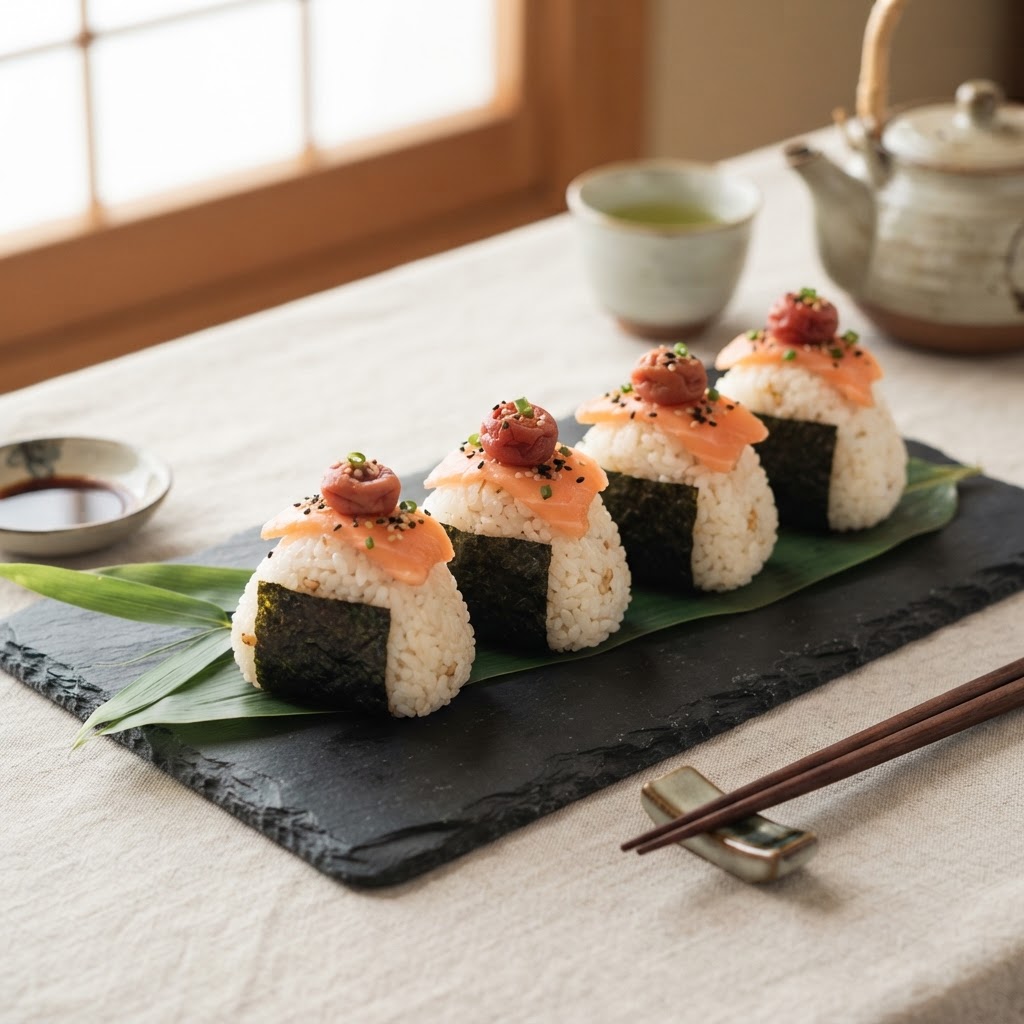
Onigiri Bites with Smoked Salmon and Umeboshi
July 22, 2026
Onigiri (おにぎり) — also called omusubi or nigirimeshi — is the most famous portable food of Japan, a hand-formed rice ball wrapped in nori (dried seaweed) and filled with any of dozens of traditional fillings. It is the sandwich of Japan: sold at every convenience store, made in every home, packed in every bento box, and eaten on every train journey. For a brunch or party, miniature onigiri — bite-sized triangles of warm sushi rice with a savoury filling, wrapped in crisp nori — make an elegant and unexpected appetizer.
The history of onigiri stretches back over a thousand years. Excavations at the Ishi-no-Hōden site in Kashihara, Nara Prefecture, have uncovered carbonised rice balls dating to the Yayoi period (300 BCE – 300 CE), making onigiri one of the oldest prepared foods in the world. The modern form — triangle or ball, wrapped in nori, with a filling — dates to the Edo period (1603–1868), when nori sheets became widely available. The name *onigiri* is derived from *nigirimeshi*, meaning "grasped rice" — the rice is shaped by hand, and the act of shaping is part of the food's identity.
The fillings are the soul of onigiri. Smoked salmon and umeboshi (pickled plum) are two of the most classic and popular fillings — the salmon is rich and savoury, the umeboshi is intensely sour, salty, and tangy. Serving both at a party gives guests a choice between richness and brightness, and both pair exquisitely with sparkling wine.
About the Ingredients
Rice must be short-grain Japanese rice (*kome*) — not long-grain or medium-grain. The stickiness of short-grain rice is what holds the onigiri together. Nishiki and Kokuho Rose are widely available brands. Cook the rice with slightly less water than usual — it should be firm enough to hold its shape without being mushy.
Nori should be high-quality sheets of roasted seaweed. Yamamotoyama is one of the oldest and most respected nori brands in Japan, founded in 1849. For onigiri, cut the nori into strips just before wrapping — nori that sits exposed to the moist rice loses its crispness.
Umeboshi are pickled Japanese apricots (*Prunus mume*, technically a species of apricot, not a plum). They are intensely sour, salty, and tangy — an acquired taste that becomes deeply rewarding. Authentic Japanese umeboshi are available at Japanese markets and online from Eden Foods or Muso. Look for umeboshi made with only salt and shiso (perilla) — avoid those with artificial colours or excessive sugar.
Smoked salmon should be high-quality cold-smoked salmon (lox-style). Copper River Salmon or Scottish smoked salmon are premium choices.
Ingredients (makes 16–20 mini onigiri): - 2 cups short-grain Japanese rice - 2 cups water - 1 teaspoon salt - 4 sheets of roasted nori, cut into 2-inch-wide strips
For the smoked salmon filling: - 4 oz cold-smoked salmon, cut into small strips - 1 teaspoon soy sauce - ½ teaspoon toasted sesame oil - 1 teaspoon toasted sesame seeds
For the umeboshi filling: - 8 umeboshi (pickled plums), pitted - 1 teaspoon toasted sesame seeds
For garnish: - Toasted sesame seeds - Furikake (Japanese rice seasoning) - Fresh shiso (perilla) leaves, optional
Instructions: Rinse the rice under cold water until the water runs clear — 3–4 rinses. Combine the rice, water, and salt in a pot and bring to a boil. Reduce to the lowest heat, cover, and cook for 15 minutes. Remove from heat and let rest, covered, for 10 minutes. Let the rice cool until warm but still easy to handle.
For the salmon filling: toss the salmon strips with soy sauce, sesame oil, and sesame seeds. For the umeboshi: remove the pits if not already pitted and mash lightly with sesame seeds.
Wet your hands with lightly salted water (this prevents sticking and seasons the rice). Scoop about 2 tablespoons of warm rice into your palm. Make a small indentation in the centre and place a small spoonful of filling inside. Cover with a little more rice and shape into a small triangle by pressing gently with both hands. The onigiri should be firm enough to hold its shape but not compressed — the rice should still have texture. Wrap a strip of nori around the base of each triangle. Sprinkle with sesame seeds or furikake.
Serve immediately, while the nori is still crisp.
The Mimosa Pairing Logic: Onigiri pairs beautifully with a mimosa because the clean, slightly sweet rice and the savoury or tangy fillings are a perfect canvas for a bright, fruit-forward sparkling wine. A yuzu honey mimosa is the ideal match — the Japanese yuzu directly mirrors the ume (pickled plum) flavour profile, creating a seamless bridge between the food and the drink. Alternatively, a classic Champagne mimosa provides a clean, acidic contrast that refreshes the palate between the salty, sour, and rich bites.
Reference Links: - Onigiri history: TasteAtlas - Japanese rice guide: Just One Cookbook - Umeboshi and Japanese pickles: Serious Eats
Make-Ahead: The rice can be cooked up to 2 hours ahead and kept warm in a covered pot. The fillings can be prepared a day ahead. The onigiri should be formed and wrapped just before serving — once the nori touches the rice, the clock starts. If making ahead, wrap each onigiri in plastic and add the nori at the last moment.
Pro Tips: Keep your hands wet with salted water when shaping — dry hands stick to the rice and make shaping impossible. Do not over-press; onigiri should hold their shape but the rice grains should not be crushed. The salt water on your hands seasons the outer layer of the rice, which is part of the flavour — do not skip it. If you cannot find umeboshi, a small piece of cooked salmon flake with a drop of soy is a fine substitute.
Rate this recipe
Be the first to rate this recipe
to submit your rating.
Recent Posts
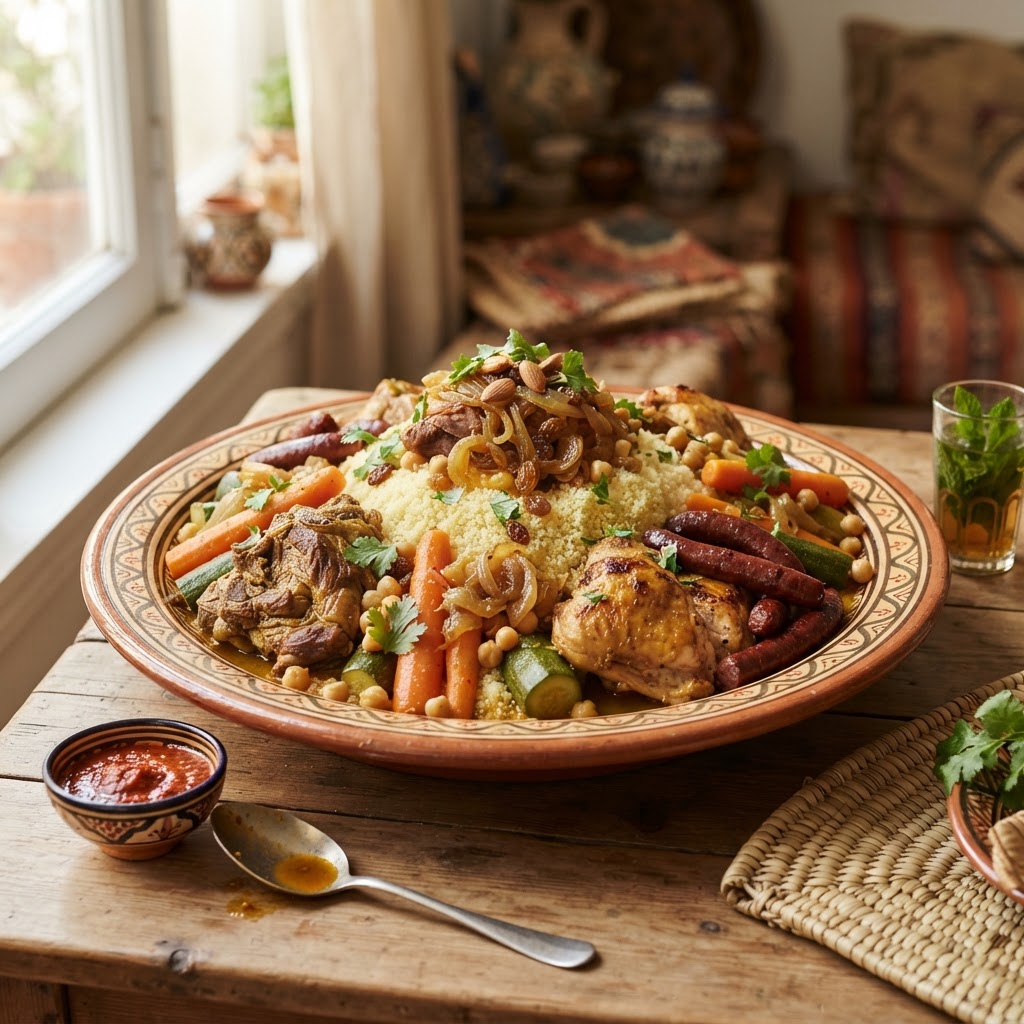
Couscous Royale: North Africa's Grand Platter of Lamb, Chicken, and Merguez
October 14, 2026
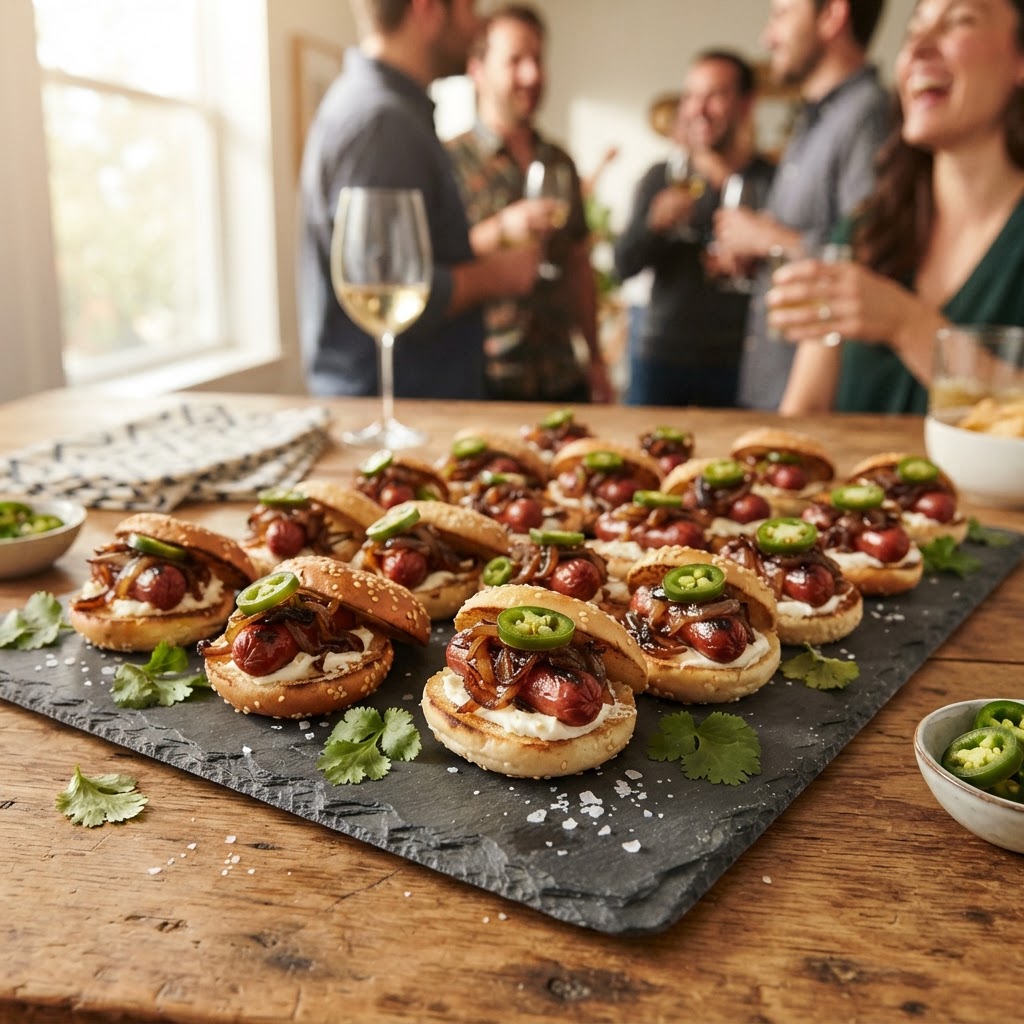
Seattle Cream Cheese Dog Bites: Hadley Long's 1989 Pioneer Square Invention
October 14, 2026
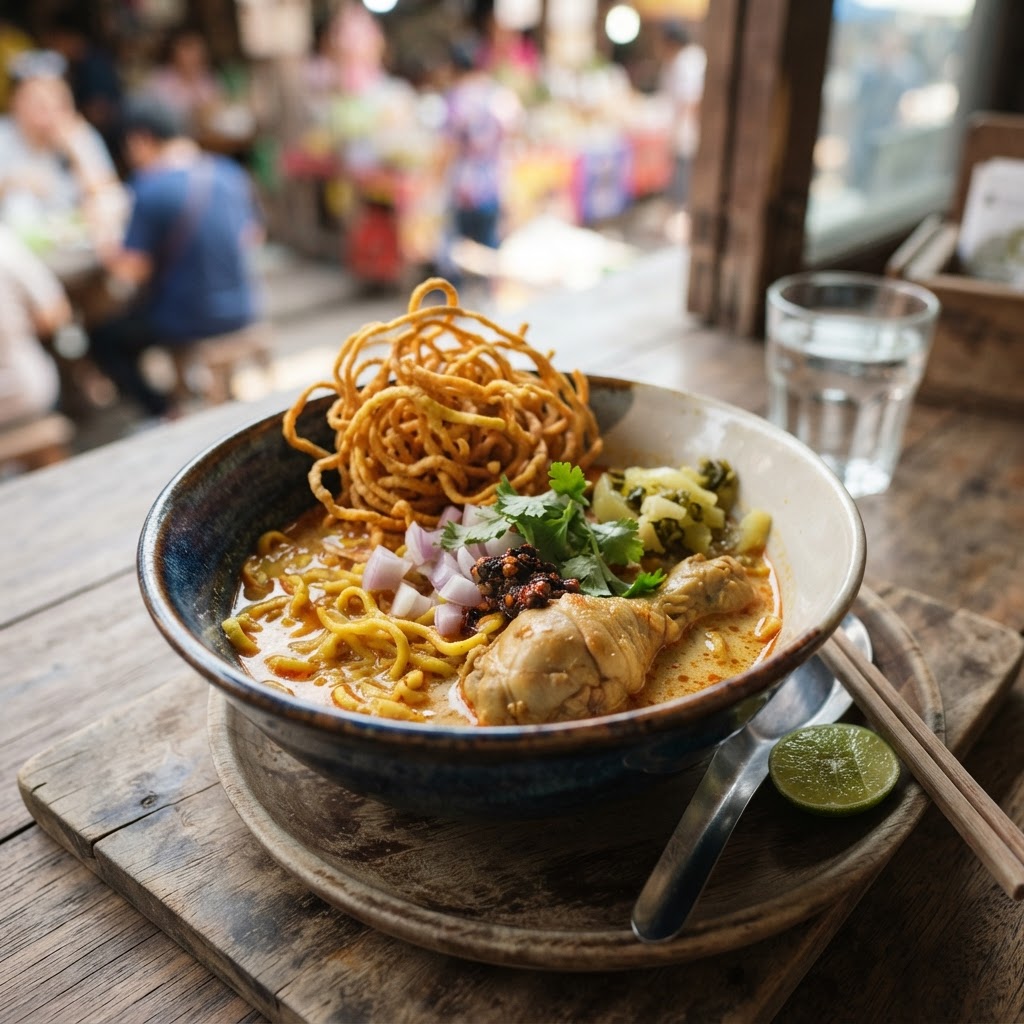
Khao Soi: Chiang Mai's Northern Thai Coconut Curry Noodles
October 13, 2026
Korean Bibimbap: Jeonju's Joseon Dynasty Mixed Rice
October 11, 2026
Spaghetti alla Carbonara: Rome's World War II Pasta of Eggs, Guanciale, and Pecorino
October 9, 2026