Moravian Sugar Cake: The 1799 Winkler Bakery Dessert of Bethlehem and Winston-Salem
August 21, 2026
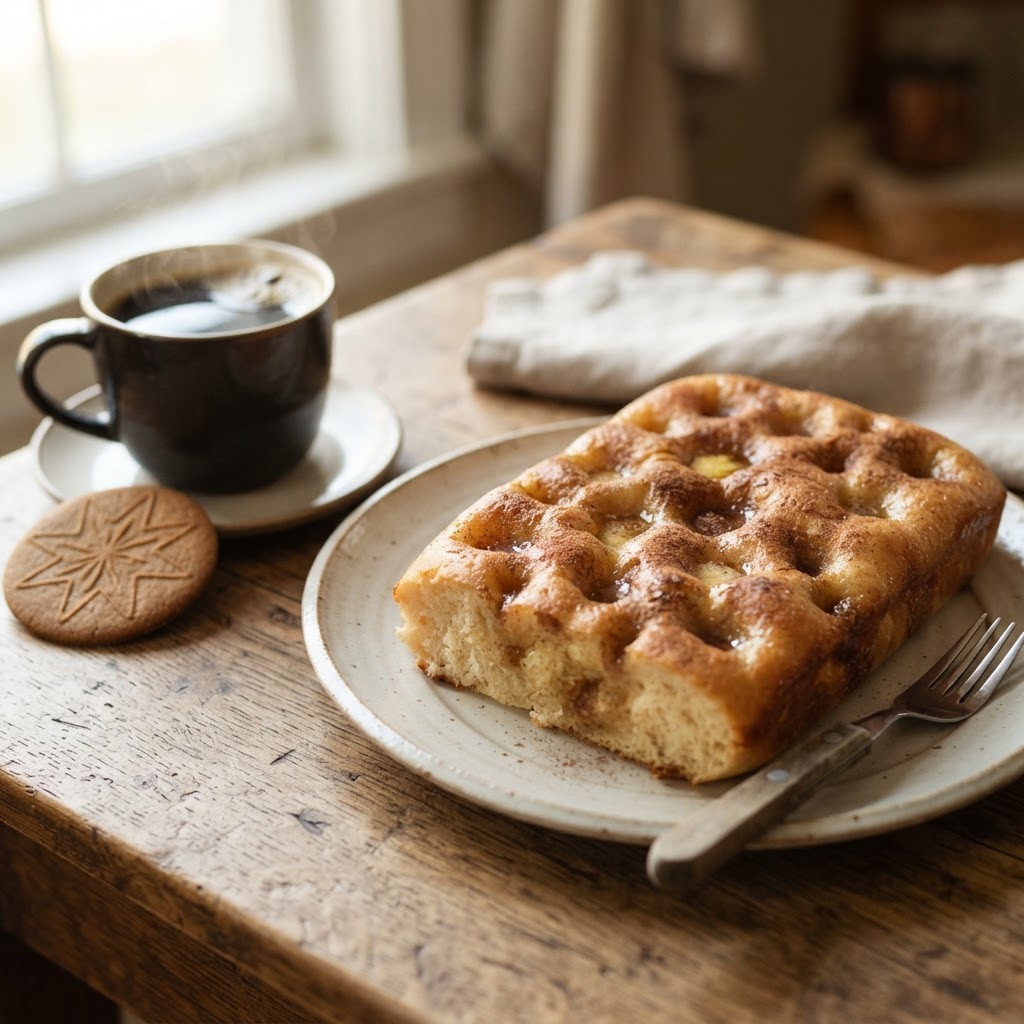
The Moravian sugar cake is a soft, dimpled, sweet coffee cake, its surface pooled with melted brown sugar and butter and dusted with cinnamon, that has been baked by the Moravian settlers of Bethlehem, Pennsylvania, and Winston-Salem, North Carolina, for nearly three centuries. The Moravians, a Protestant sect from what is now the Czech Republic, arrived in America in the 1740s and founded the communal settlement of Bethlehem in 1741, then moved south to establish Salem (now Winston-Salem) in 1766. The sugar cake, born in the Moravian kitchens of those settlements, has been baked continuously in Winston-Salem since 1799, when the Moravian baker Christian Winkler opened his bakery, now known as Winkler Bakery, on Main Street in Old Salem; the bakery has sold the sugar cake for more than two hundred and twenty years (Southern Cast Iron — Moravian Sugar Cake; Visit Winston Salem — Old Fashioned Moravian Sugar Cake Recipe).
The cake is a rich, yeasted dough, more like a brioche than a quick bread, patted into a pan and dimpled with the fingers, then filled with a topping of brown sugar and melted butter that pools in the hollows and bakes into a caramelized, sticky crown. The Moravians baked it for lovefeasts, the distinctive Moravian religious service of hymn and shared food, and it became the Sunday-morning and holiday cake of the Moravian communities. The cake is eaten warm, pulled apart with the fingers, often with a cup of coffee, and it is a fixture of Christmas morning in the Moravian households of Bethlehem and Winston-Salem to this day.
Ingredients (serves 6): - ½ cup warm milk (105–115°F) - 2¼ teaspoons (1 packet) active dry yeast - ¼ cup granulated sugar - 3 cups all-purpose flour - ½ teaspoon salt - 2 large eggs - ¼ cup (½ stick) unsalted butter, melted and cooled - 1 teaspoon vanilla extract - For the topping: ½ cup (1 stick) unsalted butter, melted - 1 cup packed brown sugar - 1 teaspoon ground cinnamon - A pinch of salt
Instructions: In a bowl, sprinkle the yeast over the warm milk and let stand 5 minutes until foamy. Stir in the sugar. Add 1 cup of the flour and beat until smooth. Cover and let rest 30 minutes. Add the salt, eggs, melted butter, and vanilla, then stir in the remaining flour to make a soft, slightly sticky dough. Knead briefly until smooth. Pat the dough into a greased 9-by-13-inch pan. Cover and let rise in a warm place until doubled, about 1 hour. With your fingers, press deep dimples all over the dough. Pour the melted butter over the top, letting it pool in the dimples. Mix the brown sugar, cinnamon, and salt and sprinkle evenly over the butter. Preheat the oven to 375°F. Bake 18 to 22 minutes, until golden and the sugar is bubbling. Serve warm.
For a Crowd (serves 12): - The 9-by-13 pan already serves 12; for a larger crowd, bake two pans. The cake is best eaten warm, the day it is baked, though the dough can be prepared the night before, refrigerated after the first rise, and baked fresh in the morning.
Variations: - Classic Winkler Bakery: The traditional version, with brown sugar and butter in the dimples and a dusting of cinnamon. - Moravian Lovefeast Cake: A simpler, lighter version, baked in round tins and served at Moravian lovefeasts. - Pecan Sugar Cake: Add ½ cup of chopped pecans to the brown-sugar topping for a nuttier, more Southern take.
Pairing: A Moravian sugar cake pairs with a cup of strong coffee, a glass of cold milk, or a Moravian spiced tea. For a brunch gathering, a sparkling mimosa or a sweet dessert wine complements the brown sugar and cinnamon. Serve warm, pulled apart with the fingers.
Reference Links: - Moravian Sugar Cake (Winston-Salem, Winkler Bakery, centuries-old tradition): Southern Cast Iron - Old Fashioned Moravian Sugar Cake Recipe (Moravian settlers, Old Salem, Winston-Salem): Visit Winston Salem
Pro Tips: The dough is a yeasted dough, so give it the full rise; a rushed dough is a dense cake. Press the dimples deep with your fingertips, all the way to the bottom of the pan, so the butter pools in the hollows rather than running off. Pour the butter on just before baking, not during the rise, or it will inhibit the yeast. Bake until the sugar is actively bubbling and the edges are golden; the caramelized edges are the best part. Serve the cake warm, pulled apart rather than cut, because the texture is soft and sticky. The cake is best the day it is made, but it reheats briefly in the microwave or oven, and the brown-sugar topping re-melts into the dimples.
Rate this recipe
Be the first to rate this recipe
to submit your rating.
Perfect Mimosa Pairings
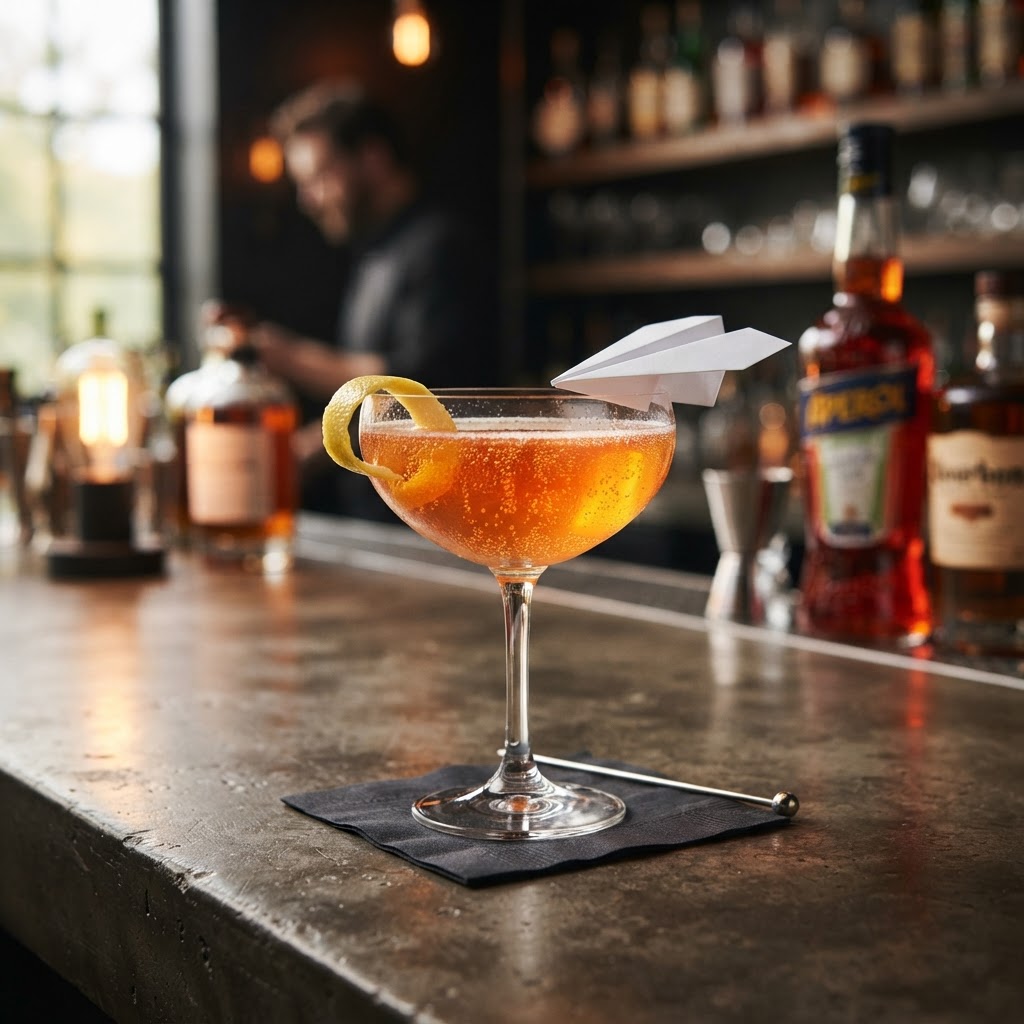
Mimosas that pair perfectly with this dish
Recent Posts

Couscous Royale: North Africa's Grand Platter of Lamb, Chicken, and Merguez
October 14, 2026

Seattle Cream Cheese Dog Bites: Hadley Long's 1989 Pioneer Square Invention
October 14, 2026

Khao Soi: Chiang Mai's Northern Thai Coconut Curry Noodles
October 13, 2026

Korean Bibimbap: Jeonju's Joseon Dynasty Mixed Rice
October 11, 2026

Spaghetti alla Carbonara: Rome's World War II Pasta of Eggs, Guanciale, and Pecorino
October 9, 2026