Memphis Dry Rub Rib Tips with Vinegar Mop
January 6, 2026
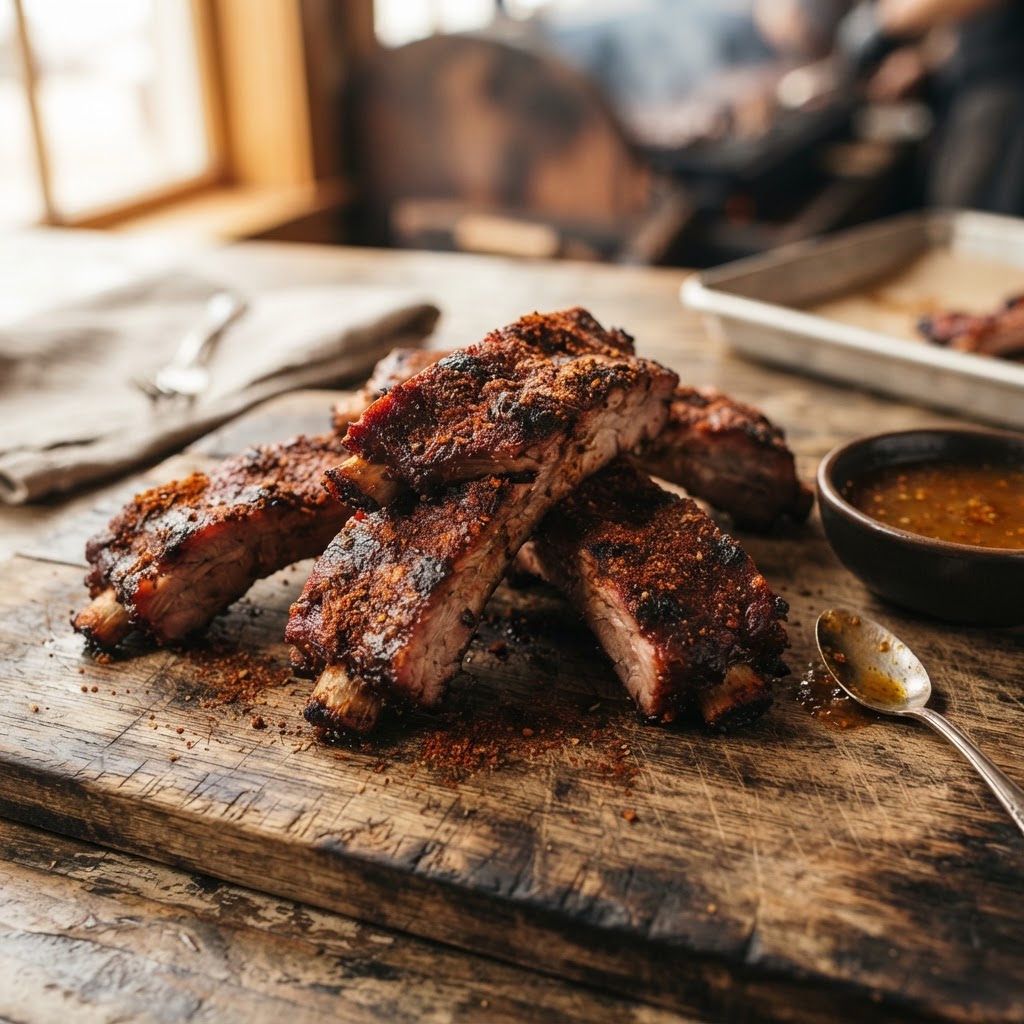
Memphis dry rub ribs are one of the most distinctive barbecue traditions in America. Unlike the saucy ribs of Kansas City or the sweet-glazed ribs of the Deep South, Memphis-style ribs are coated with a thick layer of spice rub — applied at the very end of cooking — that delivers an intense, aromatic punch of paprika, garlic, celery salt, oregano, and cayenne. The technique was invented by Charlie Vergos at The Rendezvous restaurant in Memphis in the early 1950s, when Vergos began cooking ribs in an old coal chute used for smoking hams. Influenced by his Greek heritage, he basted the ribs with an acidic vinegar mop during cooking and then coated them with a spice mixture blending Greek elements (oregano, garlic) with Cajun spices (paprika, chili powder). The result is tangy, deeply spiced ribs with a crackling bark — anything but "dry" despite the name.
For a party, rib tips — the small, meaty strip of pork at the end of a slab of spare ribs — are the ideal bite-sized barbecue appetizer. They are fattier and more flavorful than rib meat, with a satisfying chew and intense pork flavor that stands up beautifully to the bold dry rub. Trimmed into individual nuggets and smoked low and slow, then mopped with vinegar and dusted with rub, they are the ultimate hand-held party food.
About the Ingredients
Pork rib tips are the cartilage-tipped strip of meat that remains when a slab of St. Louis-cut spare ribs is trimmed. They are sometimes called "rib tips" or "brisket on a stick" and are popular in Chicago and Memphis barbecue. They can be ordered from a butcher or found at warehouse clubs. If unavailable, baby back ribs cut into individual ribs work well.
The dry rub is the soul of Memphis barbecue. Serious Eats provides an authoritative recipe based on the Rendezvous tradition. The rub combines smoked paprika (for color and smoky depth), dark brown sugar (for caramelization), celery salt and celery seed (a distinctly Memphis element), garlic and onion powder, dried oregano and thyme (the Greek influence), black pepper, dry mustard, and cayenne pepper. Hey Grill Hey and Kingsford offer excellent variations on the same theme.
The vinegar mop is the other essential element. A mixture of cider vinegar, water, a little dry rub, and sometimes a splash of Worcestershire sauce, the mop is brushed on the ribs every 15–20 minutes during cooking. It keeps the meat moist, adds tang, and helps the final rub adhere.
Ingredients (makes approximately 24 rib tip pieces): - 2 lbs pork rib tips (or baby back ribs cut into individual ribs) - 1/4 cup cider vinegar - 1/4 cup water - 1 tablespoon Worcestershire sauce
Dry Rub (makes about 1 cup): - 3 tablespoons smoked paprika - 2 tablespoons dark brown sugar - 2 tablespoons kosher salt - 1 tablespoon garlic powder - 1 tablespoon onion powder - 1 tablespoon celery salt - 1 teaspoon celery seed - 1 tablespoon black pepper - 1 teaspoon dried oregano - 1/2 teaspoon dried thyme - 1 teaspoon dry mustard powder - 1/2 teaspoon cayenne pepper
Instructions: Prepare the dry rub: combine all rub ingredients in a bowl and mix thoroughly. Set aside 2 tablespoons of rub for the vinegar mop. Reserve the rest for the final coating.
Prepare the vinegar mop: whisk together the cider vinegar, water, Worcestershire sauce, and 2 tablespoons of dry rub in a small bowl.
Prepare a smoker or grill for indirect low heat (225–250°F / 107–250°F). If using a smoker, use a light fruit wood like apple or cherry. If using a charcoal grill, push the coals to one side and cook on the opposite side.
Season the rib tips lightly with salt. Do not apply the rub yet — in the Memphis tradition, the rub goes on at the end, not the beginning. Place the rib tips on the grill away from direct heat. Cover and cook for 2 to 2.5 hours, mopping with the vinegar mixture every 15–20 minutes. The ribs are done when the meat is tender and pulls easily from the cartilage but is not falling apart.
Remove the rib tips from the grill. Brush one final time with the vinegar mop — this helps the rub adhere — then immediately and generously dust the rib tips with the dry rub on all sides. The rub should coat the meat thickly, creating a crust of spice. Let the ribs rest for 5 minutes.
Cut the rib tips into individual bite-sized pieces. Serve immediately, with additional dry rub on the side for those who want more.
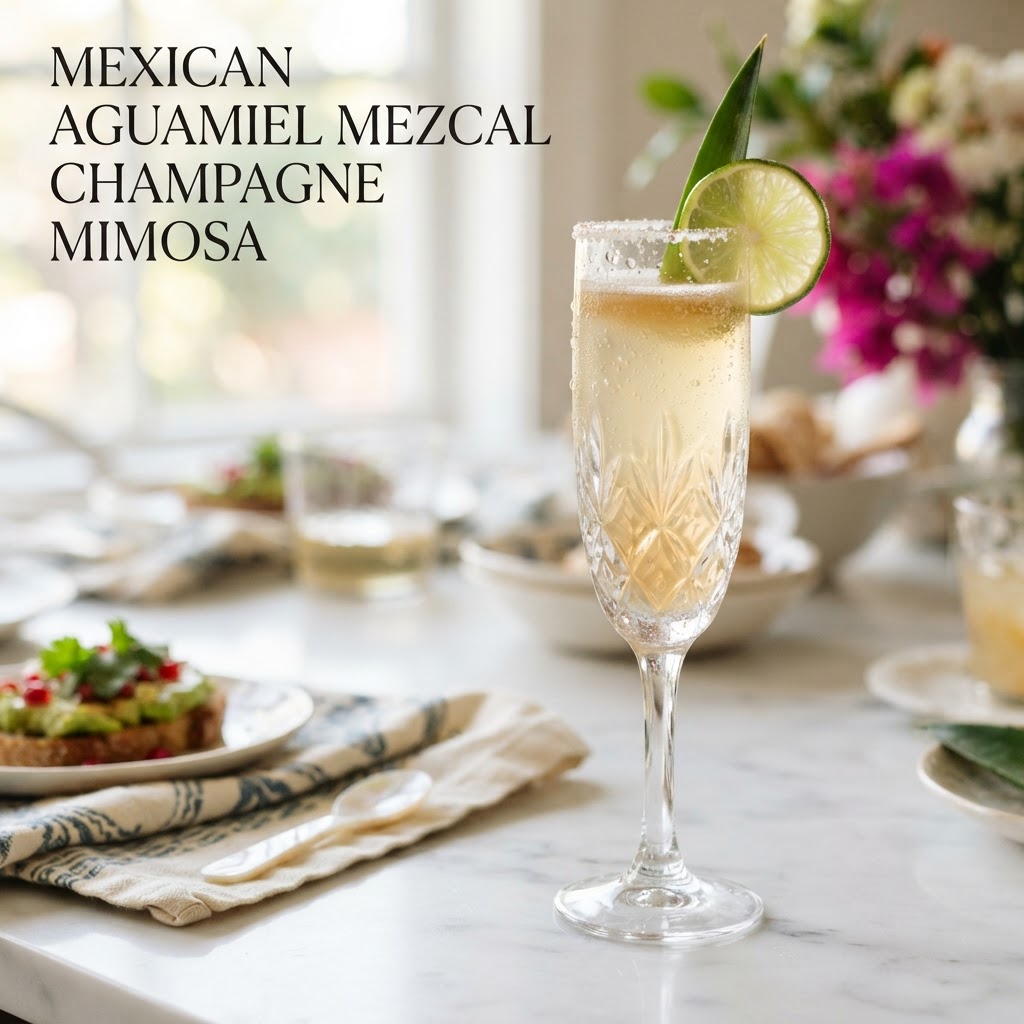
The Mimosa Pairing Logic: The intensely spiced, smoky, tangy rib tips demand a bright, refreshing beverage that can stand up to the bold flavors without being overwhelmed. A classic Champagne mimosa or a grapefruit rosemary mimosa is ideal — the citrus acidity cuts through the fatty pork and the heavy spice rub, while the wine's effervescence refreshes the palate between bites. The slight bitterness of grapefruit in particular echoes the vinegar mop's tang, creating a harmonious bridge between the smoky ribs and the bright cocktail. The mimosa replaces the traditional Memphis sweet tea or beer with a brunch-appropriate alternative equally suited to bold barbecue.
Reference Links: - Memphis-style dry ribs recipe: Serious Eats - Memphis dry rub ribs: Hey Grill Hey - Memphis barbecue dry ribs: Kingsford - The Rendezvous restaurant (origin of Memphis dry ribs): hogsfly.com
Make-Ahead: The dry rub can be made weeks in advance and stored in an airtight jar — it actually improves with time as the flavors meld. The rib tips can be smoked up to 1 day ahead, wrapped tightly in foil, and refrigerated. Reheat in a 275°F (275°F) oven for 20–30 minutes, then apply the final vinegar mop and dry rub just before serving. The rub should always be applied at the last minute for maximum flavor impact.
Pro Tips: The key to Memphis dry ribs is the timing of the rub — it goes on at the end, not the beginning. If you apply the rub before cooking, the sugar will burn and the spices will lose their volatile aromatics. The mop should be applied with a clean brush or spray bottle every 15–20 minutes; do not skip this step, as it is what gives the ribs their distinctive tang and helps the final rub adhere. Do not overcook — the ribs should be tender but still have some chew, not falling off the bone. The rub should be thick and visible on the finished meat; do not be shy with it.
Rate this recipe
Be the first to rate this recipe
to submit your rating.
Perfect Mimosa Pairings
Mimosas that pair perfectly with this dish
Recent Posts

Couscous Royale: North Africa's Grand Platter of Lamb, Chicken, and Merguez
October 14, 2026

Seattle Cream Cheese Dog Bites: Hadley Long's 1989 Pioneer Square Invention
October 14, 2026

Khao Soi: Chiang Mai's Northern Thai Coconut Curry Noodles
October 13, 2026

Korean Bibimbap: Jeonju's Joseon Dynasty Mixed Rice
October 11, 2026

Spaghetti alla Carbonara: Rome's World War II Pasta of Eggs, Guanciale, and Pecorino
October 9, 2026