Manakish Za'atar Flatbread Bites with Labneh
July 14, 2026
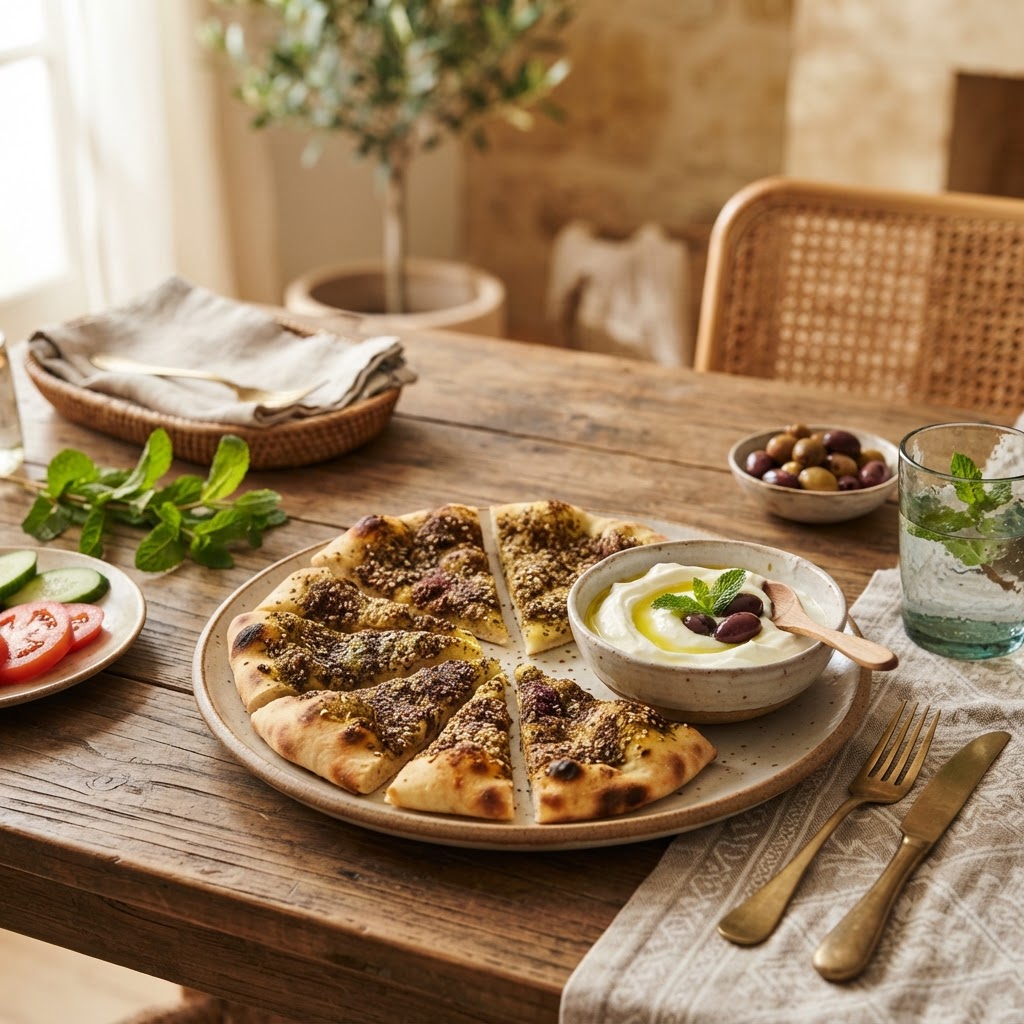
Manakish (منقوشة) — sometimes spelled manaeesh or manakish — is one of the most famous foods of Lebanon and the Levant, a flatbread topped with za'atar and olive oil, baked until blistered, and cut into wedges for sharing. It is the breakfast of the Levant: every morning in Beirut, Damascus, and Amman, bakeries open before dawn, and the scent of toasting za'atar and warm bread fills the streets. It is eaten folded or cut into pieces, often with a side of labneh (strained yogurt), fresh mint, olives, tomatoes, and cucumbers. For a brunch or party, manakish cut into small wedges becomes an elegant, fragrant bite that pairs beautifully with sparkling wine.
Za'atar is the Arabic word for wild thyme, but it also refers to the spice blend made from dried thyme (or oregano), toasted sesame seeds, sumac, and salt. Each family and each region has its own blend; the proportions are a matter of tradition and personal taste. The sumac gives the blend its characteristic deep red colour and bright, lemony acidity. In Lebanon, za'atar is so fundamental that it is a symbol of home and identity — the saying "to have za'atar and olive oil" means to have the essentials of a good life.
Labneh is a staple of Middle Eastern cooking — yogurt strained for 24–48 hours until it is thick enough to hold a shape, with a tangy, creamy flavour. It is served at every Lebanese breakfast, either plain or drizzled with olive oil, and it is the perfect cooling counterpoint to the aromatic, herbaceous za'atar on the manakish.
About the Ingredients
Za'atar should be a high-quality blend from a Middle Eastern market or a reputable online source. Zaytoun and Dayaa sell excellent Lebanese za'atar. Avoid supermarket blends that are mostly sesame seeds and salt with little actual thyme — the blend should be predominantly green (dried thyme) with visible sumac (dark red) and sesame seeds. You can also make your own: 3 tablespoons dried thyme, 1 tablespoon toasted sesame seeds, 1 tablespoon sumac, and ½ teaspoon salt.
Labneh can be purchased at Middle Eastern markets, or made by straining whole-milk yogurt (not Greek — that is already strained) through cheesecloth for 24 hours. FAGE or Nancy's whole-milk yogurt works well for homemade. A pinch of salt stirred into the yogurt before straining improves the flavour.
Flour — a standard bread flour or all-purpose flour works for the dough. For an authentic texture, the dough should be thin and crisp at the edges, slightly chewy in the centre.
Ingredients (makes 8 small flatbreads, 32 bites): - 3 cups all-purpose or bread flour - 1 teaspoon instant yeast - 1 teaspoon salt - 1 tablespoon olive oil - 1 cup warm water (approximately)
For the za'atar topping: - ½ cup za'atar blend - ⅓ cup extra-virgin olive oil
For serving: - 1 cup labneh (store-bought or homemade) - Extra-virgin olive oil for drizzling - Fresh mint leaves - Pitted olives - Cherry tomatoes, halved - English cucumber, sliced
Instructions: In a large bowl, mix the flour, yeast, and salt. Add the olive oil and warm water and knead for 5–7 minutes until you have a smooth, elastic dough. Cover and let rise in a warm place for 1 hour, until doubled in size.
Punch down the dough and divide into 8 equal pieces. Roll each piece into a thin round, about 6 inches in diameter and ⅛ inch thick. Mix the za'atar with the olive oil to form a thick paste. Spread a generous tablespoon of the za'atar paste on each round, leaving a small border. Let the topped rounds rest for 10 minutes.
Preheat the oven to 500°F (500°F) — as hot as it goes. If you have a pizza stone or baking steel, use it; otherwise use an inverted baking sheet. Bake the manakish for 4–6 minutes until the edges are blistered and golden and the za'atar is fragrant. Watch carefully — at this temperature they cook very fast.
Cut each flatbread into 4 wedges. Serve with a bowl of labneh (drizzled with olive oil), fresh mint, olives, tomatoes, and cucumbers. To eat, spread labneh on a wedge of manakish, top with a mint leaf, and fold.
The Mimosa Pairing Logic: The bright, lemony acidity of the sumac in the za'atar and the tang of the labneh create a natural bridge to a citrus mimosa. A classic Champagne mimosa or a pomegranate mimosa works beautifully — the orange juice mirrors the sumac's citrus notes, the acidity cuts through the olive oil and labneh, and the bubbles refresh the palate between bites of this intensely flavoured flatbread. The herbs in the za'atar complement the aromatic quality of the sparkling wine.
Reference Links: - Lebanese cuisine guide: TasteAtlas - Za'atar and its history: Serious Eats - Labneh technique: The Kitchn
Make-Ahead: The dough can be made a day in advance and refrigerated overnight; let it come to room temperature before rolling. The labneh should be made 24 hours ahead. The za'atar-oil paste can be mixed and held at room temperature for days. Bake the manakish just before serving — they are best eaten warm from the oven.
Pro Tips: The oven must be as hot as possible — 500°F minimum. A pizza stone or steel makes a dramatic difference, producing a blistered, crisp bottom. Do not over-top the dough; too much za'atar paste makes the centre soggy. Roll the dough thin — these are flatbreads, not pizzas. The labneh should be thick enough to hold a spoon upright; if it is too runny, strain it longer.
Rate this recipe
Be the first to rate this recipe
to submit your rating.
Recent Posts
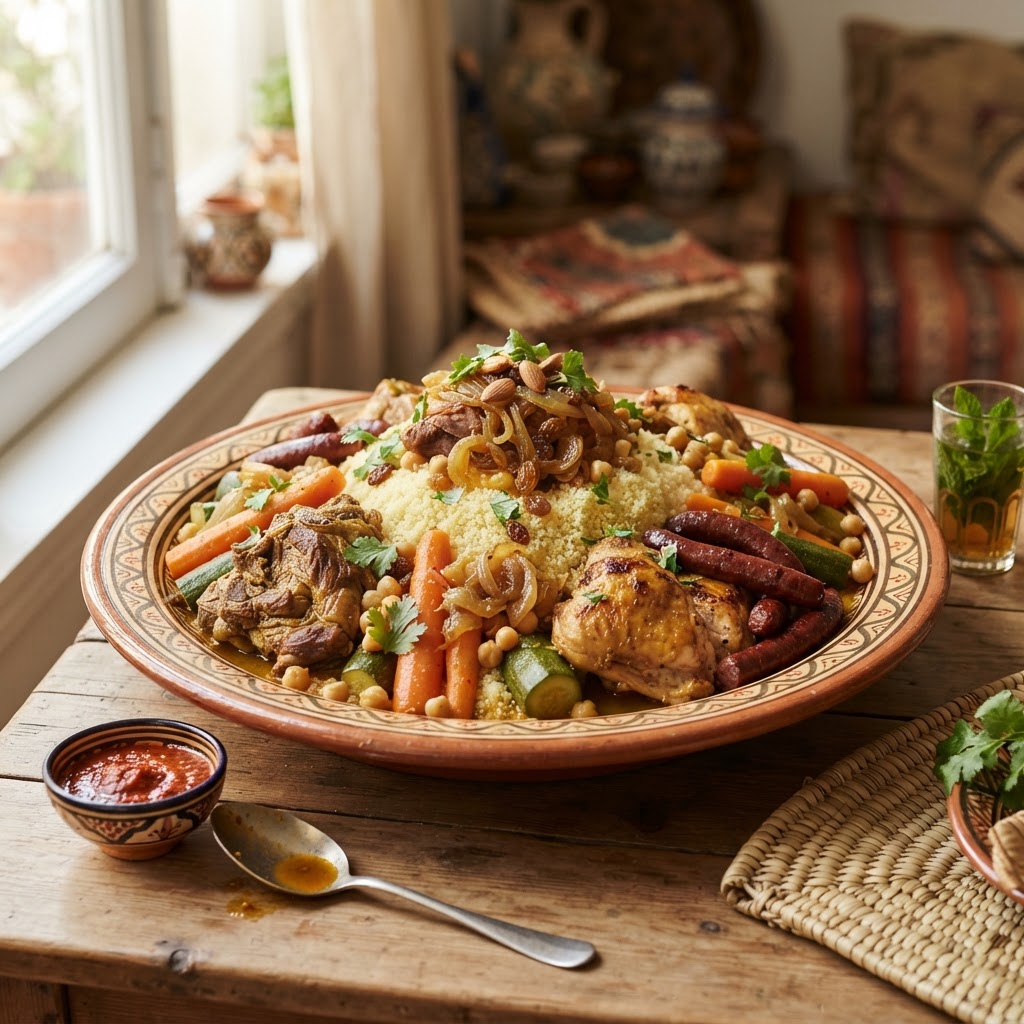
Couscous Royale: North Africa's Grand Platter of Lamb, Chicken, and Merguez
October 14, 2026
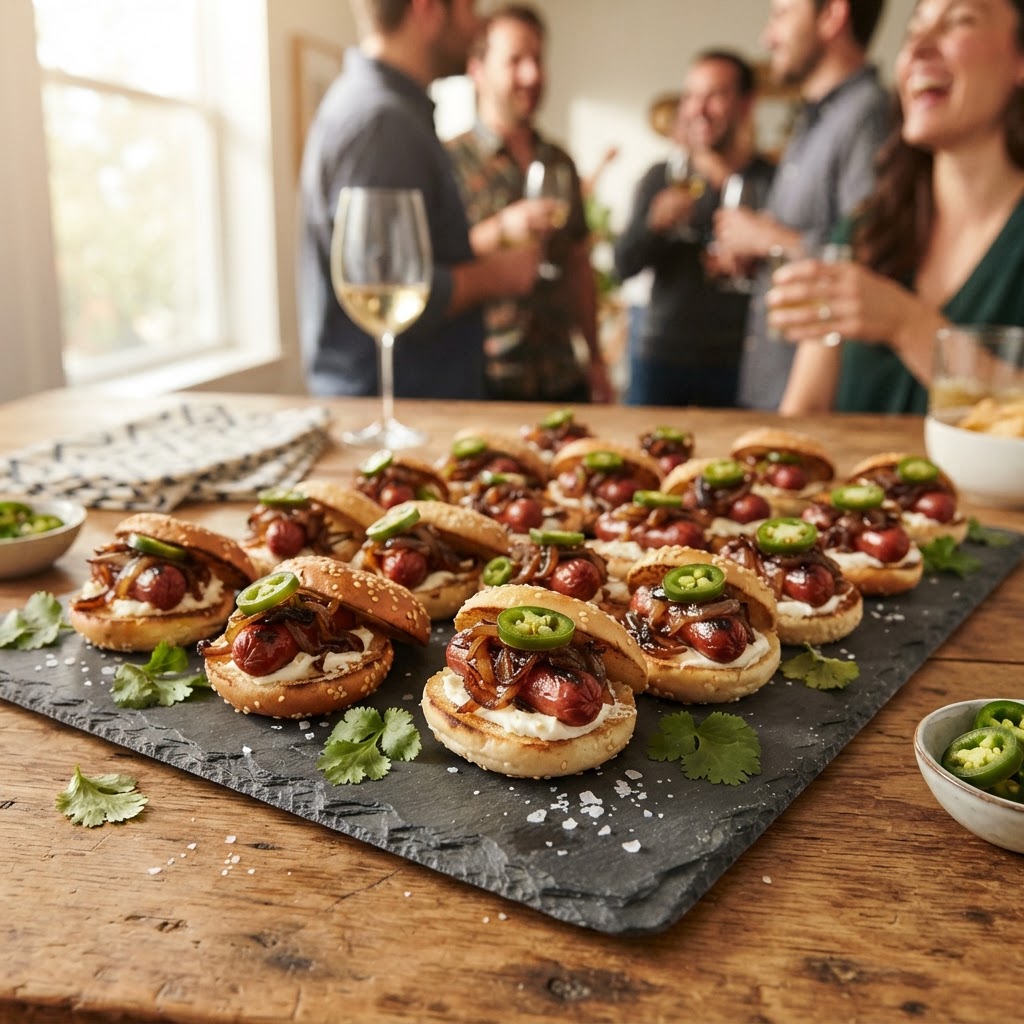
Seattle Cream Cheese Dog Bites: Hadley Long's 1989 Pioneer Square Invention
October 14, 2026
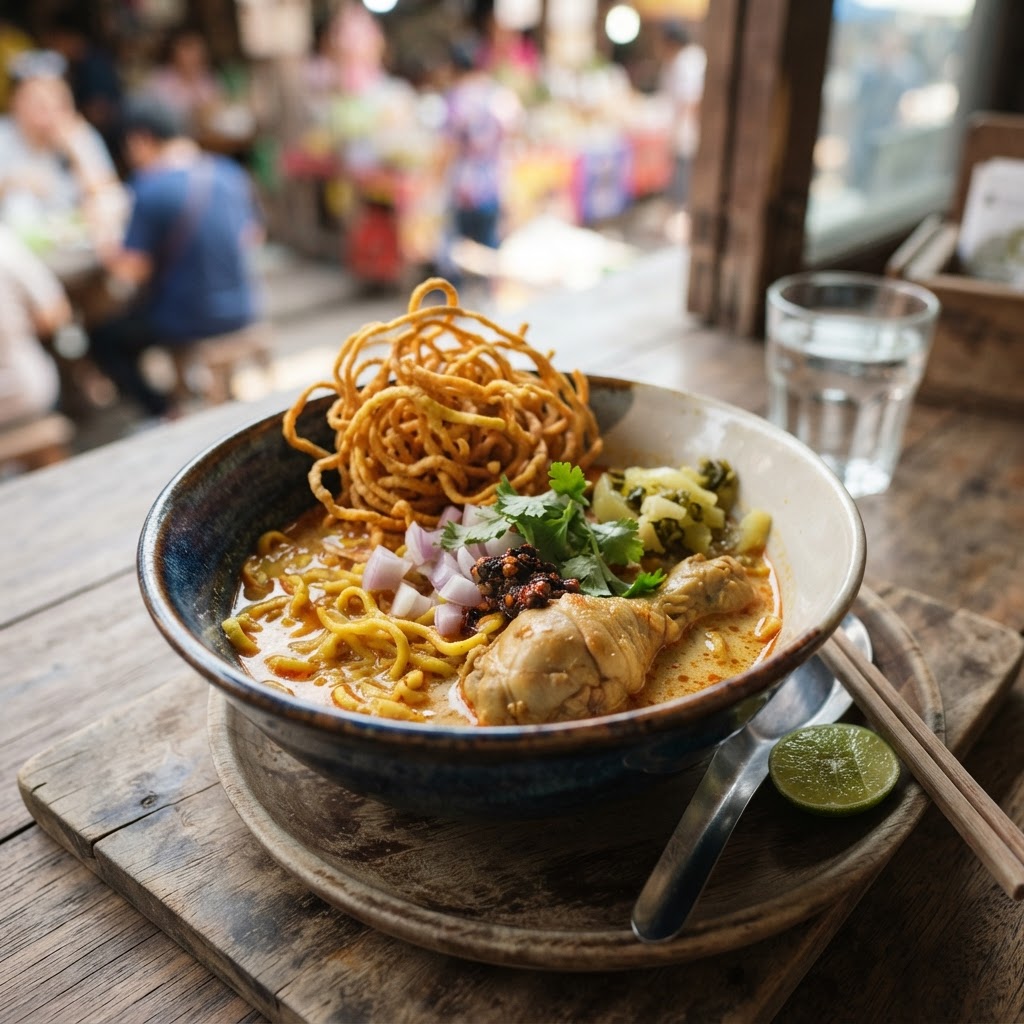
Khao Soi: Chiang Mai's Northern Thai Coconut Curry Noodles
October 13, 2026

Korean Bibimbap: Jeonju's Joseon Dynasty Mixed Rice
October 11, 2026
Spaghetti alla Carbonara: Rome's World War II Pasta of Eggs, Guanciale, and Pecorino
October 9, 2026