Lowcountry Chicken Pilau: Charleston's Colonial Rice Tradition
September 12, 2026
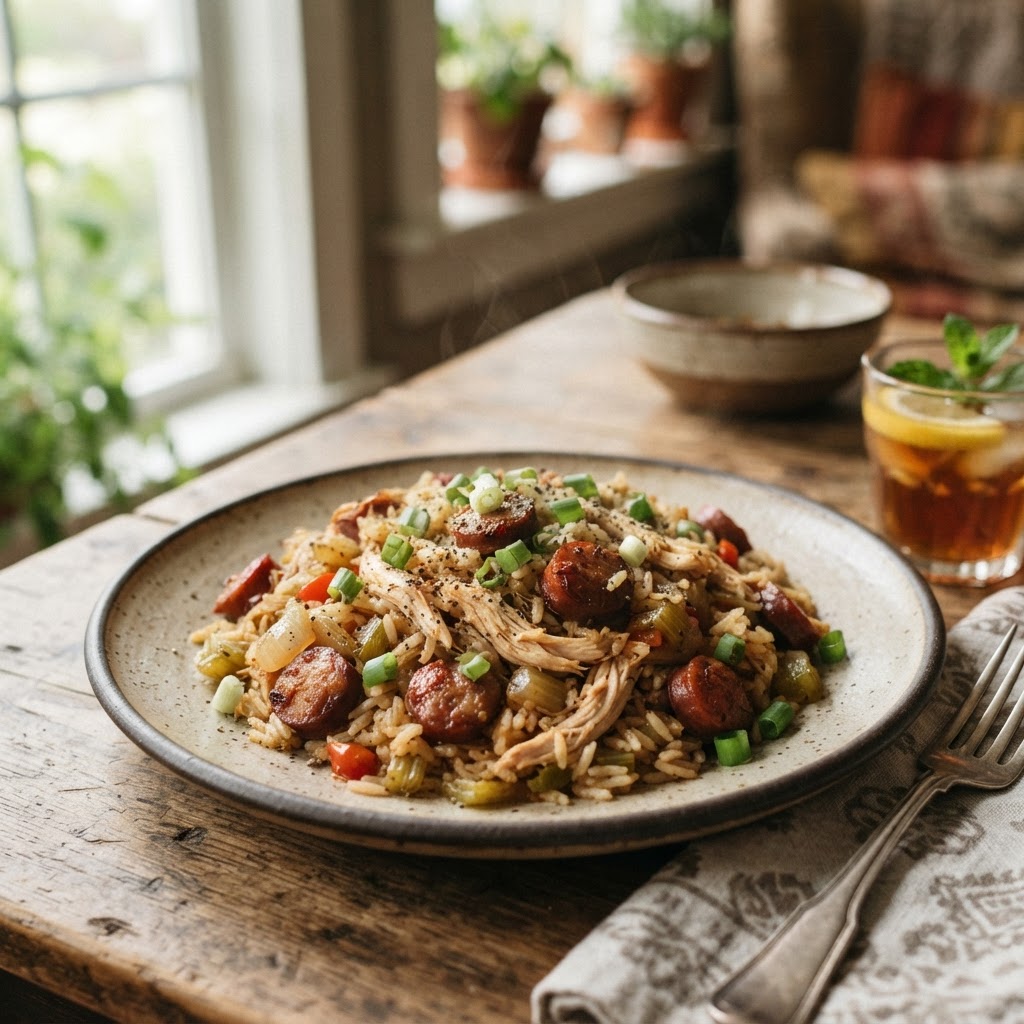
Chicken pilau (pronounced "per-loo" or "pee-loo" in the Lowcountry) is a rice dish that traces its origins to the colonial rice plantations of coastal South Carolina. Enslaved West African cooks brought the technique of cooking meat and rice together in a single pot, a method rooted in the pilaf traditions of West Africa and the Middle East. The dish, sometimes called chicken bog or chicken perlo, became a staple of Lowcountry cooking and remains a fixture of church suppers, family gatherings, and community celebrations throughout the South Carolina coastal region.
The rice is the foundation. Carolina Gold rice, a long-grain variety developed in the late 17th century on the plantations around Charleston, was once the most prized rice in the world. After near extinction in the 20th century, it has been revived by the Carolina Plantation Rice and Anson Mills. Its nutty, slightly chewy texture and ability to absorb flavor without becoming mushy make it the ideal rice for pilau.
About the Ingredients: Bone-in chicken with skin provides the richest broth. Smoked sausage, such as andouille or a good smoked kielbasa, adds depth and a whisper of smoke. The "holy trinity" of Lowcountry cooking (onion, celery, and bell pepper) provides the aromatic base. Long-grain white rice or, ideally, Carolina Gold rice is the grain. The dish is cooked with less liquid than a soup, resulting in a moist, flavorful rice that clings to the meat.
Ingredients (serves 6–8): - 1 whole chicken (about 4 lbs), cut into 8 pieces, or 6 bone-in skin-on thighs - 1 lb smoked sausage (andouille or kielbasa), sliced into ½-inch rounds - 2 cups long-grain white rice (Carolina Gold if available), rinsed - 2 large onions, chopped - 2 celery stalks, chopped - 1 green bell pepper, chopped - 4 garlic cloves, minced - 6 cups chicken stock - 2 tablespoons olive oil - 1 tablespoon smoked paprika - 1 teaspoon dried thyme - 2 bay leaves - Salt and cracked black pepper - Hot sauce for serving
Instructions: Season the chicken pieces generously with salt and pepper. Heat the olive oil in a large Dutch oven over medium-high heat. Brown the chicken pieces in batches, 4–5 minutes per side, until golden. Transfer to a plate. Add the sausage slices to the pot and brown for 3 minutes. Transfer to the plate with the chicken.
Reduce heat to medium. Add the onions, celery, and bell pepper to the pot. Cook for 6–8 minutes until softened and beginning to caramelize. Add the garlic, smoked paprika, and thyme. Cook 1 minute more.
Return the chicken and sausage to the pot. Add the chicken stock and bay leaves. Bring to a boil, then reduce to a simmer. Cover and cook for 30 minutes. Remove the chicken pieces to a cutting board. When cool enough to handle, remove and discard the skin and bones, then shred the meat. Return the shredded chicken to the pot.
Add the rinsed rice. Stir to combine. Cover and simmer for 20–25 minutes until the rice is tender and has absorbed most of the liquid. Do not stir during cooking, as this releases starch and makes the rice gummy. Remove from heat and let rest, covered, for 5 minutes. Fluff gently with a fork. Adjust seasoning. Serve with hot sauce.
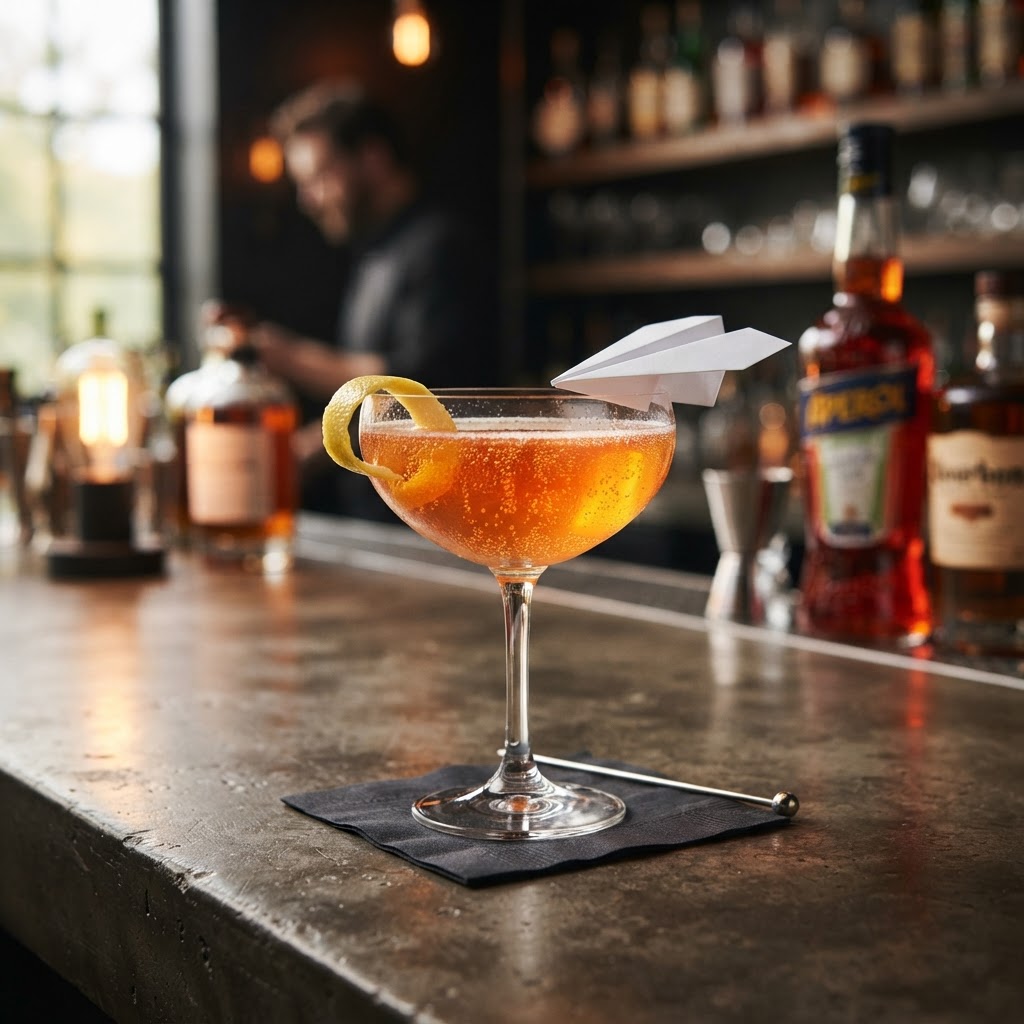
The Mimosa Pairing Logic: The smoky, savory depth of chicken pilau calls for a mimosa with enough brightness to cut through the richness. The Grapefruit Rosemary Mimosa is an excellent match, its bitter grapefruit and herbal rosemary complementing the smoked sausage. The Peach Bellini Mimosa provides a Southern fruit sweetness that pairs naturally with the Lowcountry character of the dish.
Reference Links: - A Taste of South Carolina: Just What Is Chicken Bog? – Discover South Carolina - Chicken Bog of the Pee Dee Region – Folkstreams
Make-Ahead: Chicken pilau reheats beautifully and is often better the next day, as the flavors deepen. Store covered in the refrigerator for up to 3 days. Reheat gently on the stovetop with a splash of chicken stock to loosen the rice. The dish can also be frozen for up to 2 months.
Pro Tips: Do not stir the rice once it goes into the pot. Stirring releases starch and turns the dish into a sticky mass rather than a fluffy pilaf. The layer of caramelized fond on the bottom of the pot, often called the "barn" in Lowcountry cooking, is packed with flavor. Scrape it up when you add the stock. If Carolina Gold rice is available, use it. The difference in texture and flavor is remarkable and worth seeking out.
Rate this recipe
Be the first to rate this recipe
to submit your rating.
Perfect Mimosa Pairings
Mimosas that pair perfectly with this dish
Recent Posts

Couscous Royale: North Africa's Grand Platter of Lamb, Chicken, and Merguez
October 14, 2026

Seattle Cream Cheese Dog Bites: Hadley Long's 1989 Pioneer Square Invention
October 14, 2026

Khao Soi: Chiang Mai's Northern Thai Coconut Curry Noodles
October 13, 2026

Korean Bibimbap: Jeonju's Joseon Dynasty Mixed Rice
October 11, 2026

Spaghetti alla Carbonara: Rome's World War II Pasta of Eggs, Guanciale, and Pecorino
October 9, 2026