Lobster Newberg: Delmonico's 1876 New York Sea Captain's Invention
March 14, 2026
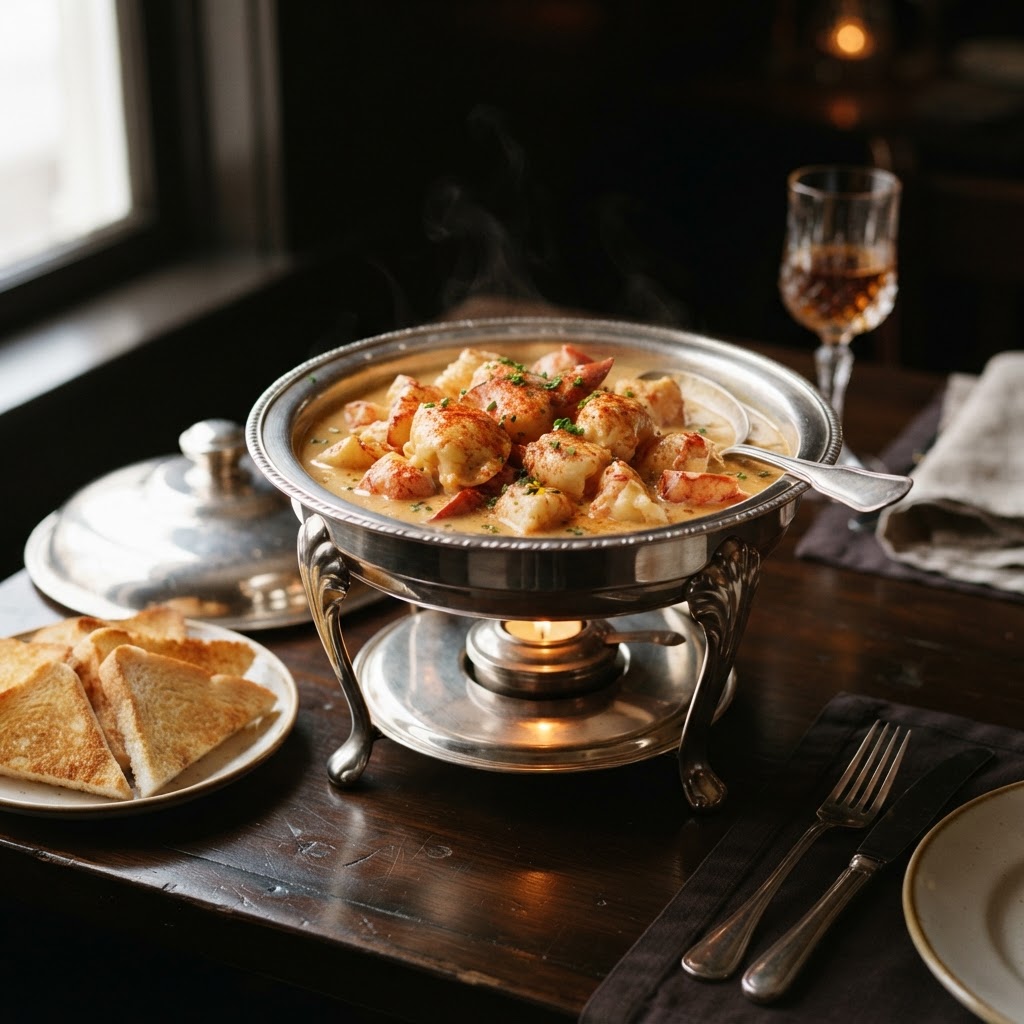
In 1876, a wealthy sea captain named Ben Wenberg walked into Delmonico's, the most famous restaurant in New York City, and showed the chef Charles Ranhofer a new way to prepare lobster. The dish, sautéed lobster finished with cream, butter, cayenne, and sherry, was so well received that Ranhofer added it to the menu under the name Lobster à la Wenberg. A short time later, Wenberg had a falling out with the restaurant's proprietor, Lorenzo Delmonico, and in a fit of pique Delmonico had the menu reprinted with the letters rearranged to read Lobster à la Newberg, a name that stuck for the next 150 years.
The dish became one of the most famous in American restaurant history. It was served at Delmonico's until the restaurant closed, and it spread to steakhouses and supper clubs across the country, where it was often flamed tableside with brandy. The version that survives today is simpler than Ranhofer's original, which called for a complicated procedure involving béchamel and mushroom liquor, but the core remains the same: lobster, cream, cognac, and a whisper of cayenne.
About the Ingredients: The lobster should be live and fresh, cooked just before preparation. Two 1½-pound lobsters will yield enough meat for four servings. The cream is heavy, not light, because it must coat the lobster without breaking. The cognac is essential, as it provides the aromatic depth that distinguishes Newberg from a plain cream sauce. Cayenne is used in tiny amounts to give heat without overwhelming the sweet lobster meat.
Ingredients (serves 4): - 2 live lobsters (about 1½ lb each) - 4 tablespoons unsalted butter - 1 shallot, finely minced - ¼ cup cognac - ½ cup heavy cream - 2 tablespoons dry sherry - 1 teaspoon Dijon mustard - ¼ teaspoon cayenne pepper (or to taste) - Salt and white pepper to taste - 2 tablespoons fresh chives, minced - Toast points or puff pastry shells for serving
Instructions: Bring a large pot of salted water to a rolling boil. Plunge the lobsters in headfirst, cover, and cook for 8 minutes. Remove and plunge into an ice bath to stop the cooking. When cool enough to handle, crack the claws, knuckles, and tails and remove the meat in large pieces. Set aside.
In a large skillet over medium heat, melt 2 tablespoons of the butter. Add the minced shallot and cook until translucent, about 2 minutes. Add the cognac and carefully ignite it with a long match to burn off the alcohol, shaking the pan until the flames subside.
Add the cream, sherry, Dijon mustard, and cayenne to the pan. Stir to combine and bring to a gentle simmer. Cook for 2 to 3 minutes until the sauce thickens enough to coat the back of a spoon. Season with salt and white pepper.
Add the lobster pieces to the sauce and cook gently for 2 minutes, just until the lobster is warmed through. Do not boil, or the lobster will toughen. Remove from heat and swirl in the remaining 2 tablespoons of cold butter, one piece at a time, until the sauce is glossy.
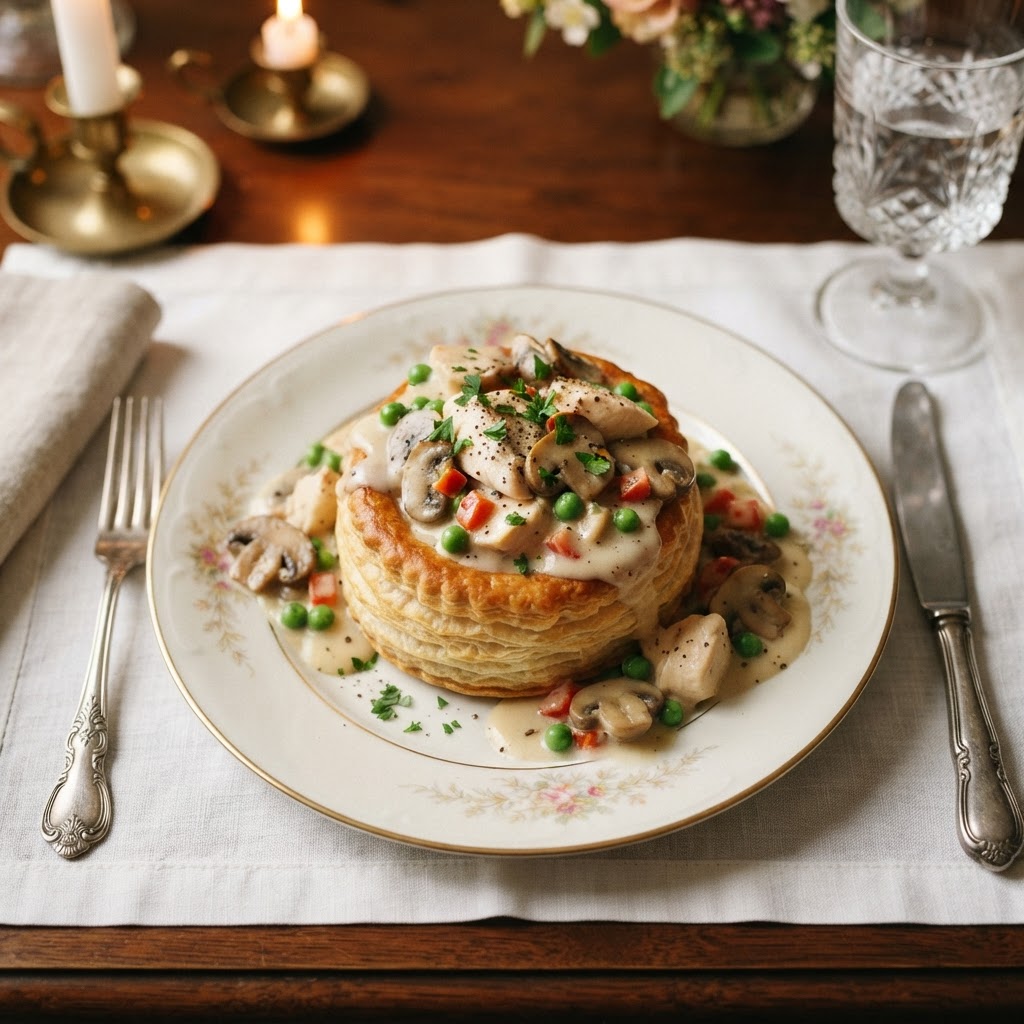
Spoon the lobster and sauce over toast points or into puff pastry shells. Garnish with chives and serve at once.
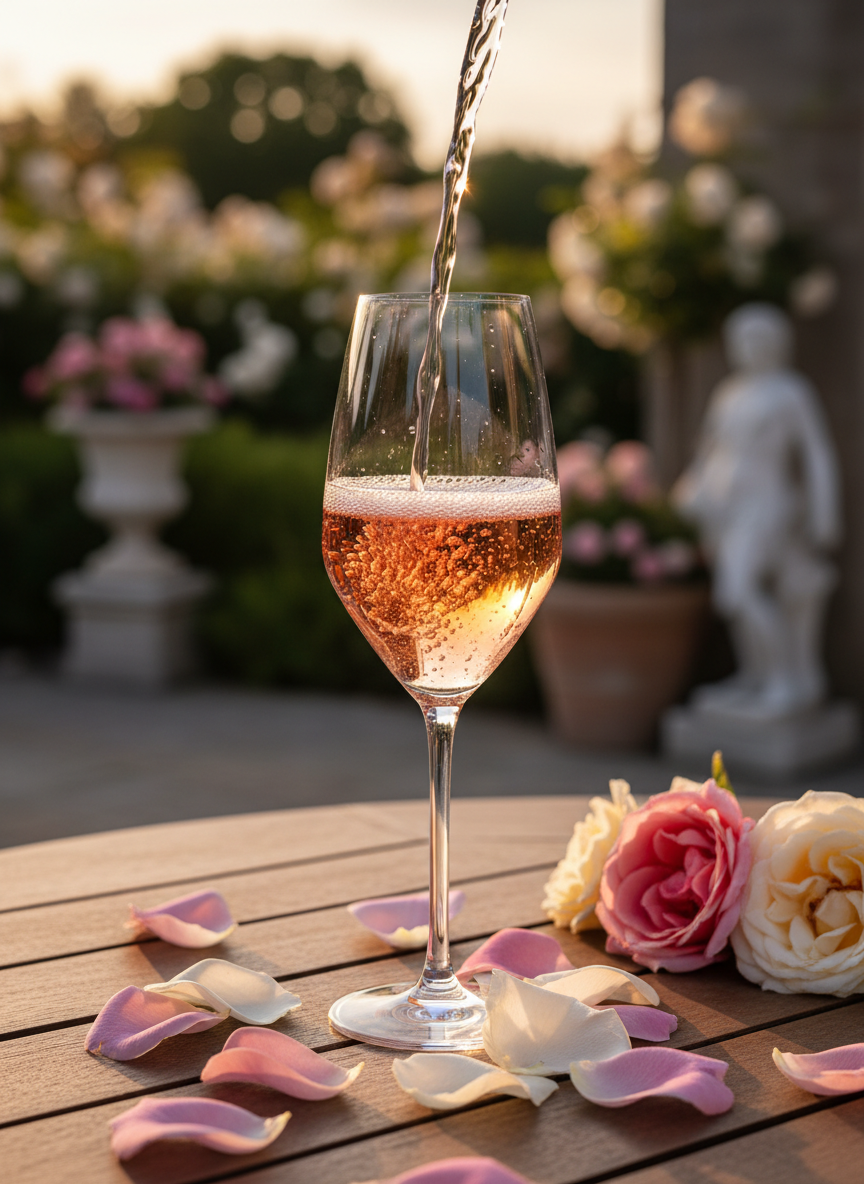
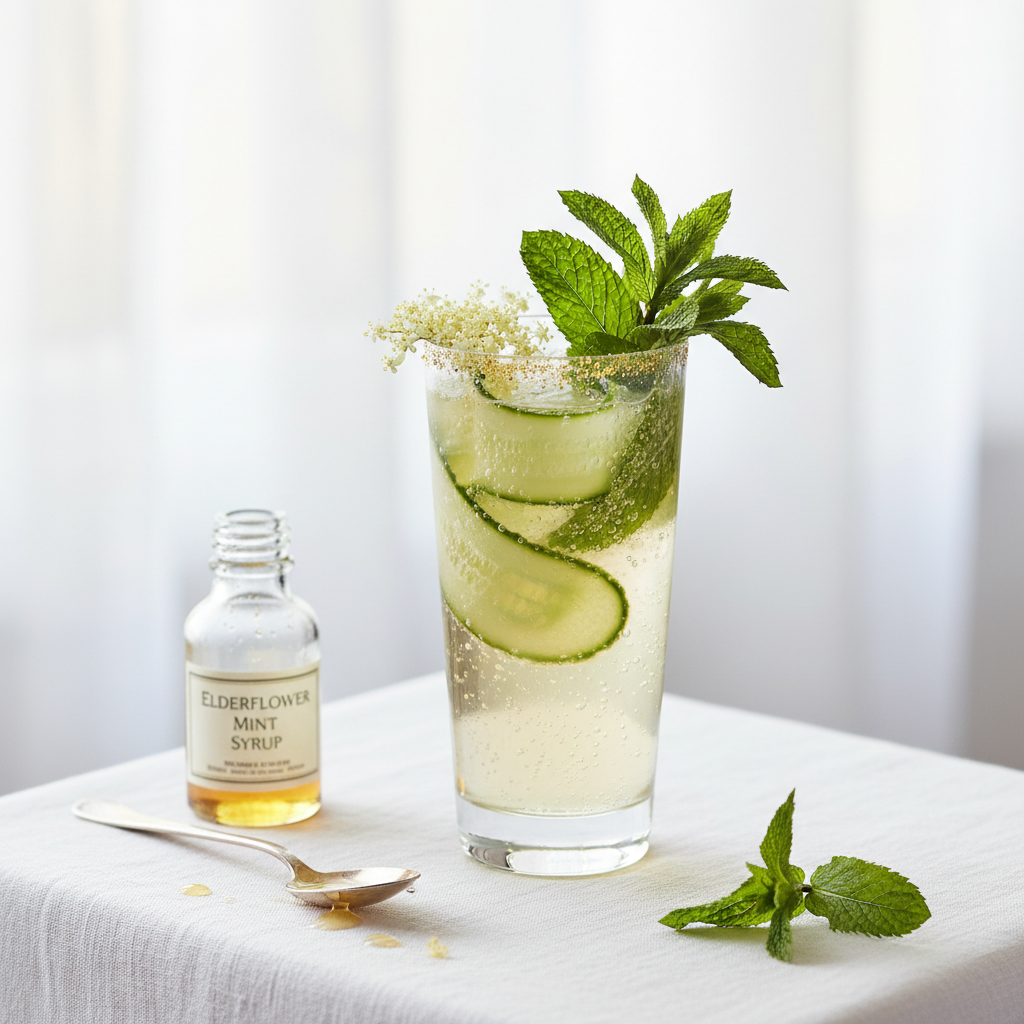
The Mimosa Pairing Logic: The richness of the cream and the aromatic depth of the cognac call for a mimosa with bright fruit and a touch of elegance. The Classic Champagne Mimosa is the traditional match, its orange and champagne cutting through the cream. For a more luxurious pairing, the Fig Honey Champagne Mimosa adds a golden, honeyed note that echoes the sherry in the sauce.
Reference Links: - Lobster Newberg – Wikipedia - Lobster Newberg History and Recipe – What's Cooking America
Make-Ahead: The lobsters can be cooked and the meat extracted up to 4 hours ahead and refrigerated. The sauce should be made at the last minute, as cream sauces break when reheated. Have your toast points or pastry shells ready and your guests seated before you begin.
Pro Tips: When flaming the cognac, stand back and use a long match. The flames can leap higher than expected. If you prefer not to flame, simply cook the cognac for 1 minute to burn off the alcohol. The butter swirled in at the end is what gives the sauce its restaurant-quality sheen. It must be cold, and the pan must be off the heat, or it will melt into oil instead of emulsifying.
Rate this recipe
Be the first to rate this recipe
to submit your rating.
Perfect Mimosa Pairings
Mimosas that pair perfectly with this dish
Recent Posts

Couscous Royale: North Africa's Grand Platter of Lamb, Chicken, and Merguez
October 14, 2026

Seattle Cream Cheese Dog Bites: Hadley Long's 1989 Pioneer Square Invention
October 14, 2026

Khao Soi: Chiang Mai's Northern Thai Coconut Curry Noodles
October 13, 2026

Korean Bibimbap: Jeonju's Joseon Dynasty Mixed Rice
October 11, 2026

Spaghetti alla Carbonara: Rome's World War II Pasta of Eggs, Guanciale, and Pecorino
October 9, 2026