Horchata Sparkler: Mexico's Beloved Rice and Cinnamon Drink
March 17, 2026
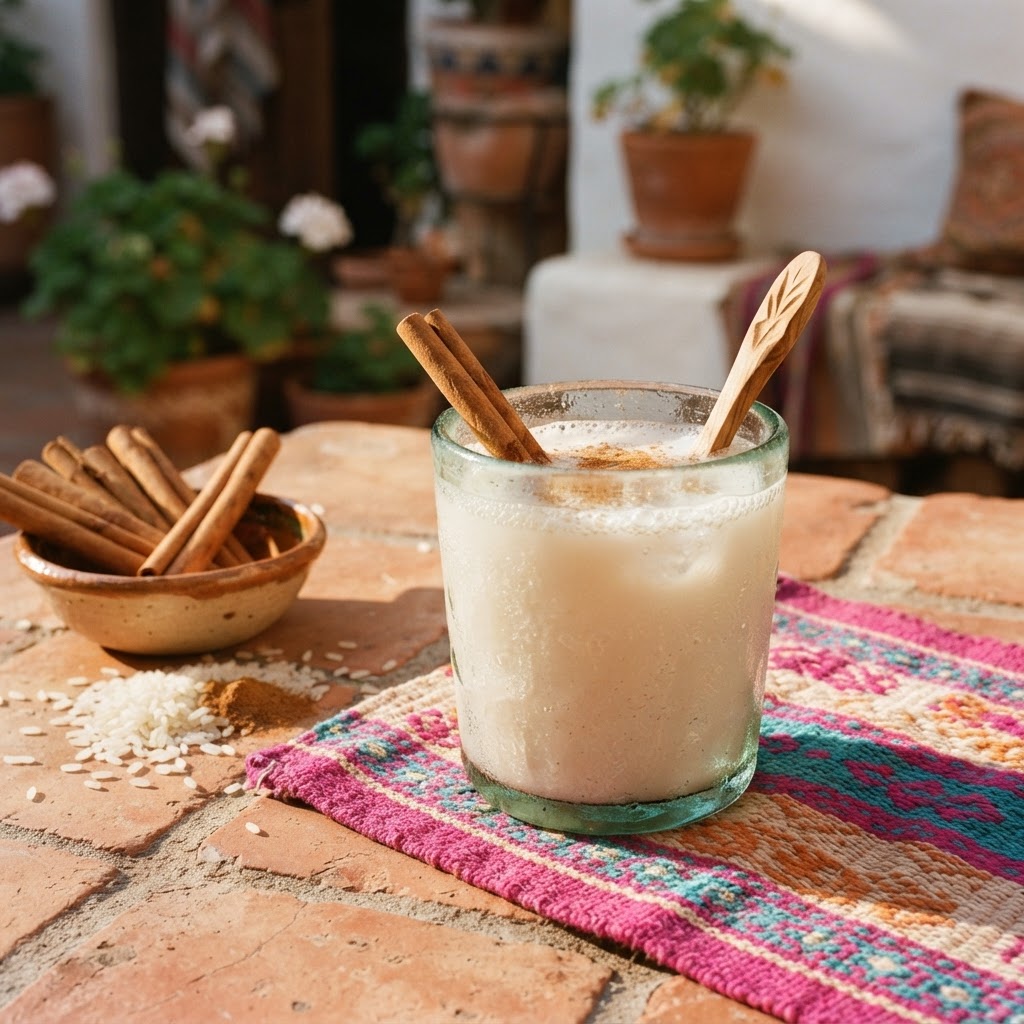
Horchata is one of the most popular and ancient beverages in the Spanish-speaking world — a milky, cinnamon-scented rice drink that has quenched thirsts from the markets of Mexico City to the taquerías of Los Angeles for centuries. As a sparkling mocktail, it becomes something genuinely extraordinary: the creamy sweetness of horchata lifted by effervescence into a drink that is simultaneously comforting, refreshing, and elegant enough for a champagne flute.
The history of horchata stretches back over a thousand years. The word "horchata" derives from the Latin *hordeata*, meaning "made of barley" — a reference to the grain-based beverages of the ancient Mediterranean. The drink as we know it originated in the Valencia region of Spain, where it was made from *chufas* (tiger nuts, the tubers of the yellow nutsedge plant) and is known as *horchata de chufa*. This Spanish version, with documented origins dating to the 13th century, remains the national drink of Valencia.
When Spanish colonisers arrived in the Americas, they brought the tradition of horchata with them. In Mexico, where tiger nuts did not grow, the tradition adapted to local ingredients — most notably rice, which the Spanish had introduced, and cinnamon, which was native to Sri Lanka but had been traded into Mexico since the colonial era. Mexican horchata (*horchata de arroz*) is made by soaking raw white rice in water, blending it with cinnamon, straining it, and sweetening the resulting milky liquid. It is one of the three classic Mexican *aguas frescas* (the others being agua de jamaica and agua de tamarindo).
About the Ingredients
Rice should be plain long-grain white rice — not Arborio, not basmati, not jasmine. The rice is not cooked; it is soaked raw and blended, releasing its starch to create the characteristic milky texture. Lundberg Family Farms organic long-grain white rice is an excellent choice.
Cinnamon in Mexico is typically *Ceylon cinnamon* (*Cinnamomum verum*) — known as "true cinnamon" — which is milder, more delicate, and more complex than the cassia cinnamon (*Cinnamomum cassia*) common in American supermarkets. Simply Organic Ceylon cinnamon is widely available. Mexican cinnamon sticks (*canela*) can be found at any Latin American grocery.
Sweetener can be granulated sugar, but many traditional recipes use sweetened condensed milk or evaporated milk for added richness. For a vegan version, use agave nectar or simple syrup and a splash of almond milk.
Ingredients (serves 6): - 1 cup long-grain white rice, uncooked - 1 cinnamon stick (Ceylon, broken in half) plus 1 teaspoon ground cinnamon - 4 cups warm water (for soaking) - 3 cups cold water - ¾ cup granulated sugar (or ½ cup agave nectar) - ½ cup evaporated milk or almond milk (optional, for added creaminess) - 1 teaspoon vanilla extract - 12 oz chilled sparkling water (San Pellegrino or Topo Chico) - Ice - Ground cinnamon and cinnamon sticks for garnish
For the Horchata: Rinse the rice under cold water. Combine rice, cinnamon stick, and 4 cups warm water in a bowl. Soak at room temperature for at least 4 hours, preferably overnight. The rice should soften and the water will become cloudy and fragrant with cinnamon.
Transfer the entire mixture (rice, cinnamon, and soaking water) to a blender. Blend on high for 2–3 minutes until completely smooth — the rice should be pulverised to a fine paste. Strain through a fine-mesh sieve lined with cheesecloth or a clean kitchen towel, pressing firmly to extract all the liquid. Discard the rice solids.
Stir in cold water, sugar, evaporated milk (if using), and vanilla extract. Taste — it should be sweet, creamy, and intensely cinnamon-flavoured. Chill at least 2 hours. The horchata will separate as it sits; stir before using. Keeps refrigerated for up to 3 days.
Instructions: Fill tall glasses with ice. Pour 4 oz horchata into each glass. Top slowly with 2 oz chilled sparkling water, pouring gently down the side. The sparkling water adds effervescence without diluting the horchata's creamy body. Dust with ground cinnamon and garnish with a cinnamon stick.
Batch (serves 12): - Double the horchata recipe - 24 oz sparkling water, added at service - Set out a pitcher of horchata alongside a chilled bottle of sparkling water and a shaker of ground cinnamon.
Variations: - Add ¼ cup blended cantaloupe to the horchata for a Horchata de Melón of fruity complexity. - Stir in 2 tablespoons of cold espresso per serving for a Horchata Coffee — the Mexican answer to an iced latte. - Add a shot of horchata liqueur (or a splash of amaretto) for an alcoholic version.
Pairing: Horchata Sparkler is the natural companion to Mexican and Latin American food — tacos, enchiladas, tamales, and any dish with chile heat. The creamy sweetness and cinnamon temper spice beautifully. It is also exceptional alongside brunch dishes with cinnamon or vanilla notes — French toast, churros, and rice pudding.
Pro Tips: The soaking time is critical — rice that has not soaked long enough will not blend smoothly and the horchata will be gritty. Overnight is ideal. Strain twice if necessary — the smoother the horchata, the more luxurious the result. The sparkling water should be added at the moment of service — if mixed in advance, the drink loses its effervescence and the horchata thickens as it sits with the carbonation.
Reference Links: - Wikipedia — Horchata: en.wikipedia.org/wiki/Horchata - Mexico In My Kitchen — Horchata Recipe: mexicoinmykitchen.com/horchata-recipe - Tijuana Flats — Horchata Guide: tijuanaflats.com/blog/what-is-horchata-guide - Adán Medrano — Horchata: adanmedrano.com/horchata-texas-mexican-agua-fresca - Simply Organic Ceylon Cinnamon: simplyorganic.com
Rate this recipe
Be the first to rate this recipe
to submit your rating.
Recent Posts

Couscous Royale: North Africa's Grand Platter of Lamb, Chicken, and Merguez
October 14, 2026

Seattle Cream Cheese Dog Bites: Hadley Long's 1989 Pioneer Square Invention
October 14, 2026

Khao Soi: Chiang Mai's Northern Thai Coconut Curry Noodles
October 13, 2026

Korean Bibimbap: Jeonju's Joseon Dynasty Mixed Rice
October 11, 2026

Spaghetti alla Carbonara: Rome's World War II Pasta of Eggs, Guanciale, and Pecorino
October 9, 2026