The Clementine Cointreau Mimosa
April 30, 2026
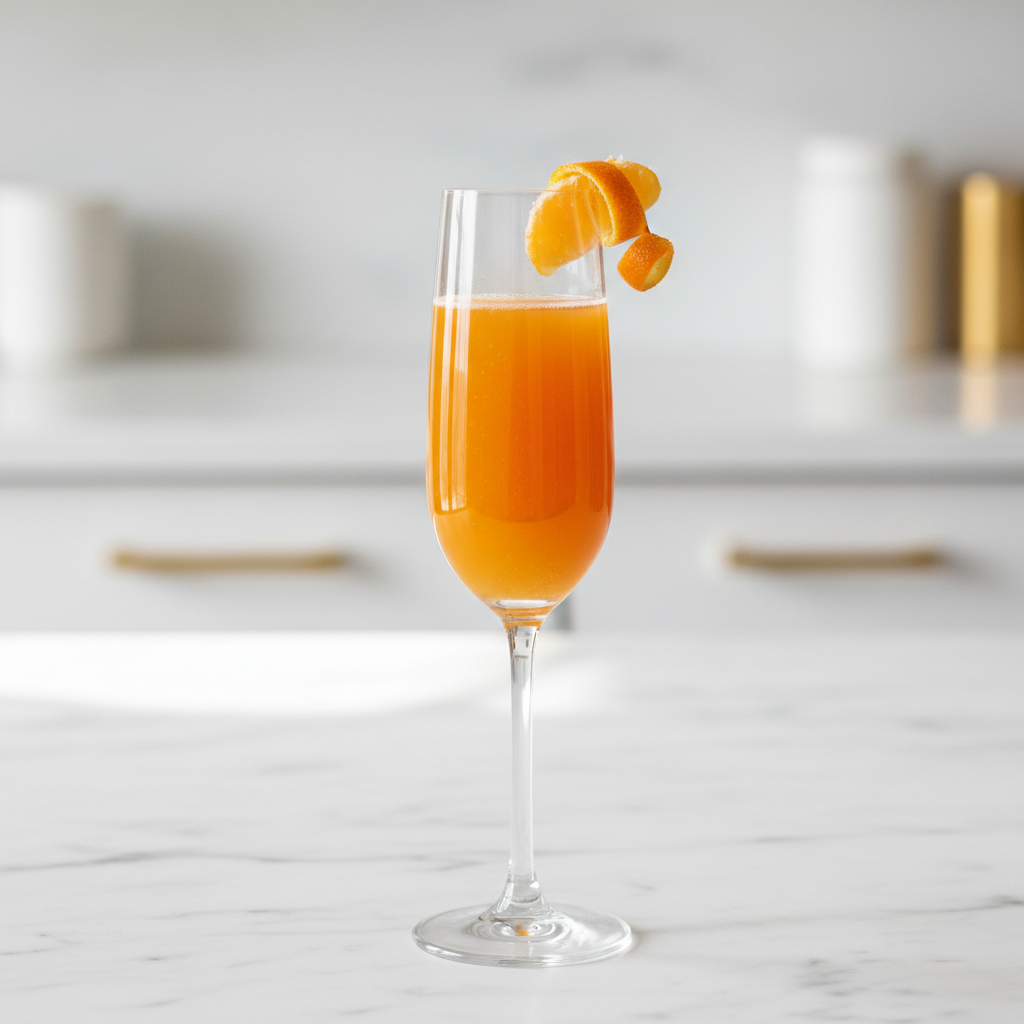
The Clementine Cointreau Mimosa is a study in the amplification of a single ingredient: the intense, aromatic sweetness of clementine juice is doubled and deepened by Cointreau's bitter orange peel character, creating a mimosa that tastes more brilliantly citrus than any freshly-squeezed orange juice drink could achieve. The color — a deep, saturated orange-amber — is equally extraordinary.
About Clementines and Cointreau
The clementine (*Citrus clementina*) is a mandarin-orange hybrid developed in Algeria in the early 20th century, named after Father Clément Rodier who cultivated it in his garden in Misserghin. It is distinguished from standard mandarins by its exceptionally sweet juice, thin easy-peel skin, and intense aromatic quality — particularly high levels of limonene and other citrus terpenes that make freshly squeezed clementine juice smell more fragrant than any other citrus juice. Clementine season runs from November through February, with Spanish, Moroccan, and Californian varieties all performing well in this recipe.
Cointreau is a crystal-clear, 40% ABV triple sec — a type of orange liqueur — created in 1875 by Édouard Cointreau in Saint-Barthélemy-d'Anjou, France. Unlike cheaper triple secs, Cointreau uses both sweet and bitter orange peels macerated in pure beet alcohol, then double-distilled to produce its characteristic clarity, purity, and complex orange character. Cointreau's official site documents its production process and cocktail applications. It is the defining orange liqueur of the Margarita, Cosmopolitan, and Sidecar.
Ingredients (serves 6): - 1¼ cups fresh-squeezed clementine juice (from about 12–15 clementines — roll each firmly on the counter before halving for maximum yield) - 2 oz Cointreau - 1 tablespoon fresh lemon juice (brightens the color and cuts sweetness) - 1 bottle (25 oz chilled Champagne Brut NV or Cava Brut (Segura Viudas Brut Reserva provides excellent value) - Clementine peel twists and thin clementine wheels for garnish - Optional: a light pinch of fleur de sel on the rim for a sweet-salty contrast
Instructions: Stir clementine juice, Cointreau, and lemon juice together. Taste — the blend should be intensely citrusy, slightly sweet, and complex. The Cointreau's bitterness should be present as a pleasant background note. Chill thoroughly.
Chill Champagne flutes for 5 minutes. Pour 2 oz of the clementine-Cointreau blend into each flute. Top slowly with chilled Champagne. The deep orange juice will bloom through the pale wine, creating a vivid, saturated orange gradient. Garnish with a clementine peel twist expressed over the glass (essential — the essential oils in the peel's surface add an aromatic dimension that amplifies the whole drink) and a thin clementine wheel rested on the rim.
For a Mimosa Bar (serves 12): - 2½ cups clementine juice - 4 oz Cointreau - 2 tablespoons lemon juice - 2 bottles Champagne Brut, chilled
Variations: - Replace Cointreau with Grand Marnier for a Clementine Grand Marnier Mimosa with cognac depth and greater richness. - Add 2 tablespoons of fresh blood orange juice per serving when blood oranges are in season (January–April) for a Clementine Blood Orange Cointreau Mimosa with a deeper, more complex color and flavor. - A pinch of fresh thyme added to the clementine juice and steeped for 30 minutes before straining creates a savory-citrus dimension that is particularly well-suited to a savory brunch spread.
Pairing: The vivid citrus intensity of this mimosa pairs with extraordinary versatility across the entire brunch menu — its brightness cuts through rich egg preparations, its sweetness complements pastries, and its Cointreau complexity bridges savory and sweet. It is particularly exceptional alongside almond croissants, citrus tarts, and smoked salmon preparations where the orange character finds natural counterparts.
Pro Tips: Clementine juice is significantly sweeter and less acidic than orange juice — the lemon juice in this recipe is essential to prevent the drink from becoming cloying. Taste the blend before service and adjust lemon juice to your preference. For the most vivid color, use freshly-squeezed juice consumed the same day — clementine juice loses its color intensity quickly through oxidation.
Rate this recipe
Be the first to rate this recipe
to submit your rating.
Recent Posts
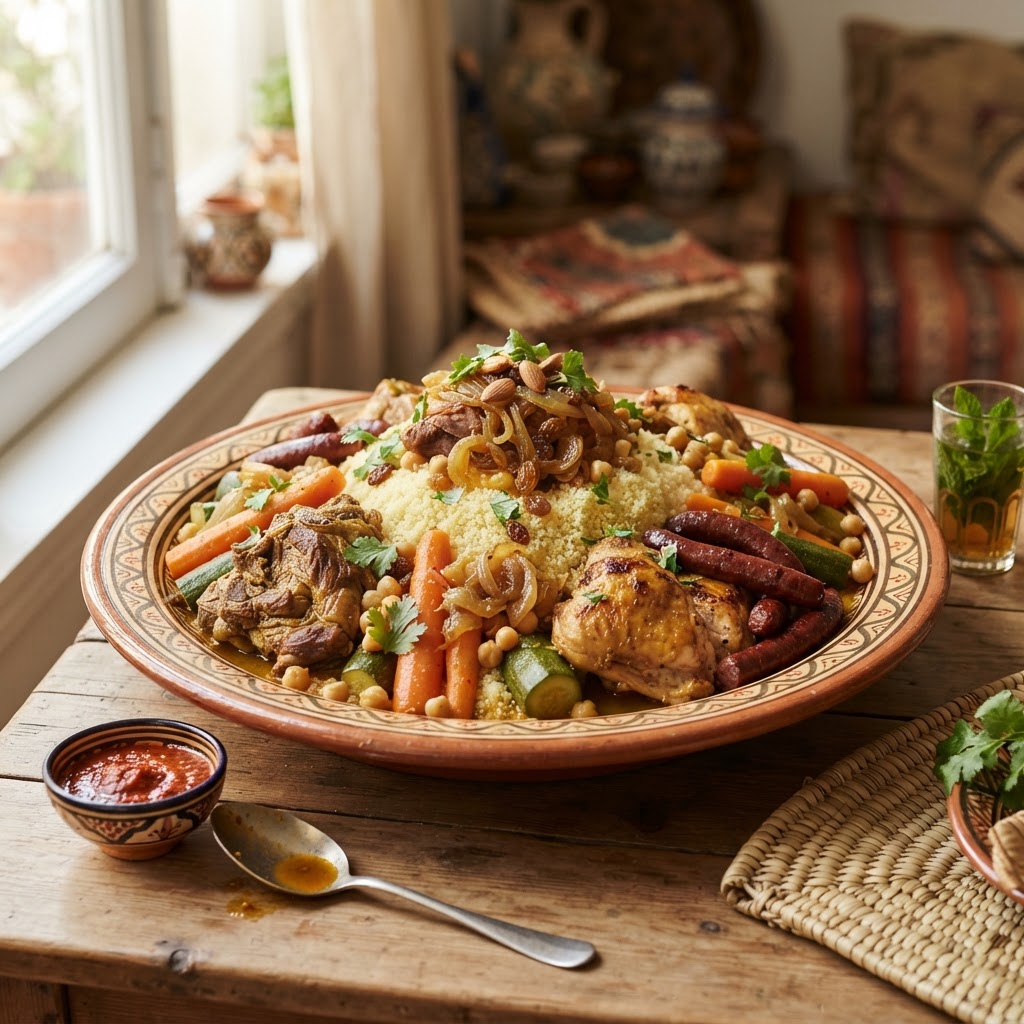
Couscous Royale: North Africa's Grand Platter of Lamb, Chicken, and Merguez
October 14, 2026

Seattle Cream Cheese Dog Bites: Hadley Long's 1989 Pioneer Square Invention
October 14, 2026
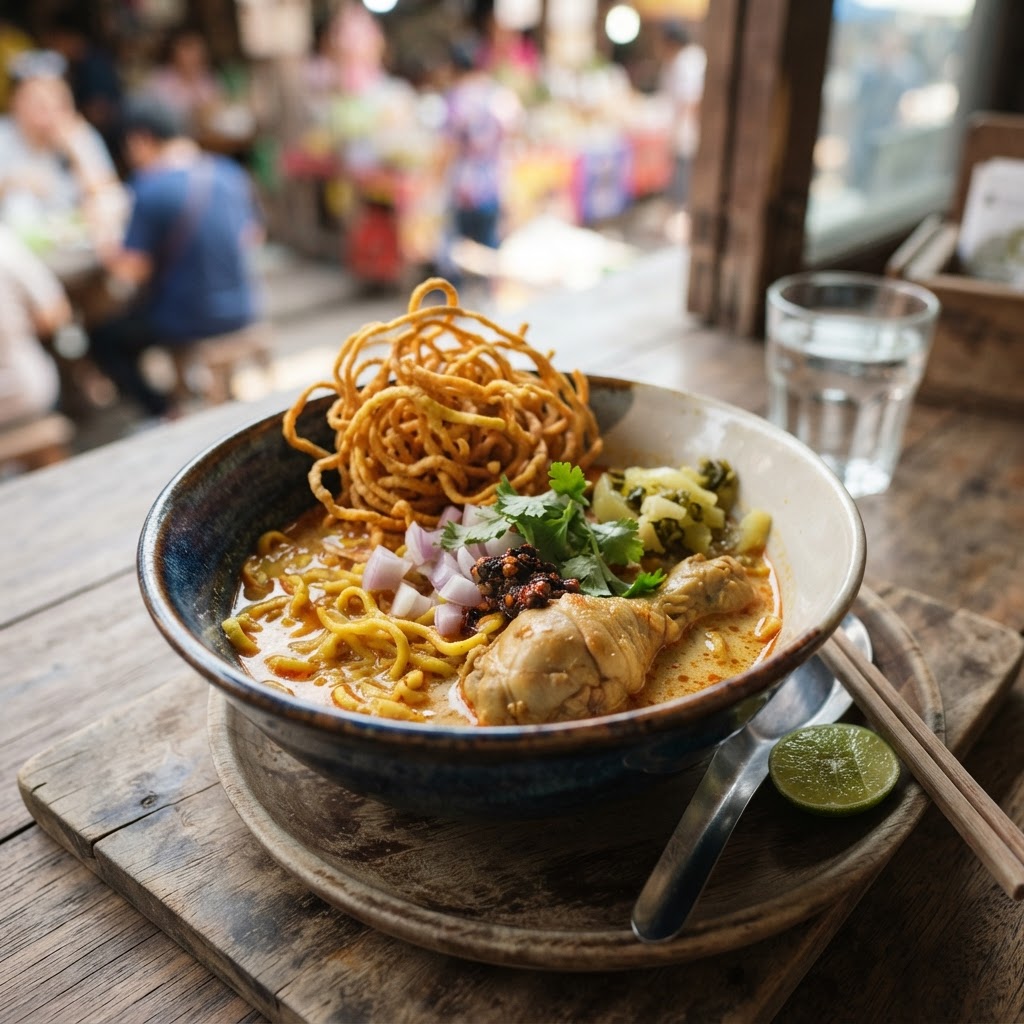
Khao Soi: Chiang Mai's Northern Thai Coconut Curry Noodles
October 13, 2026
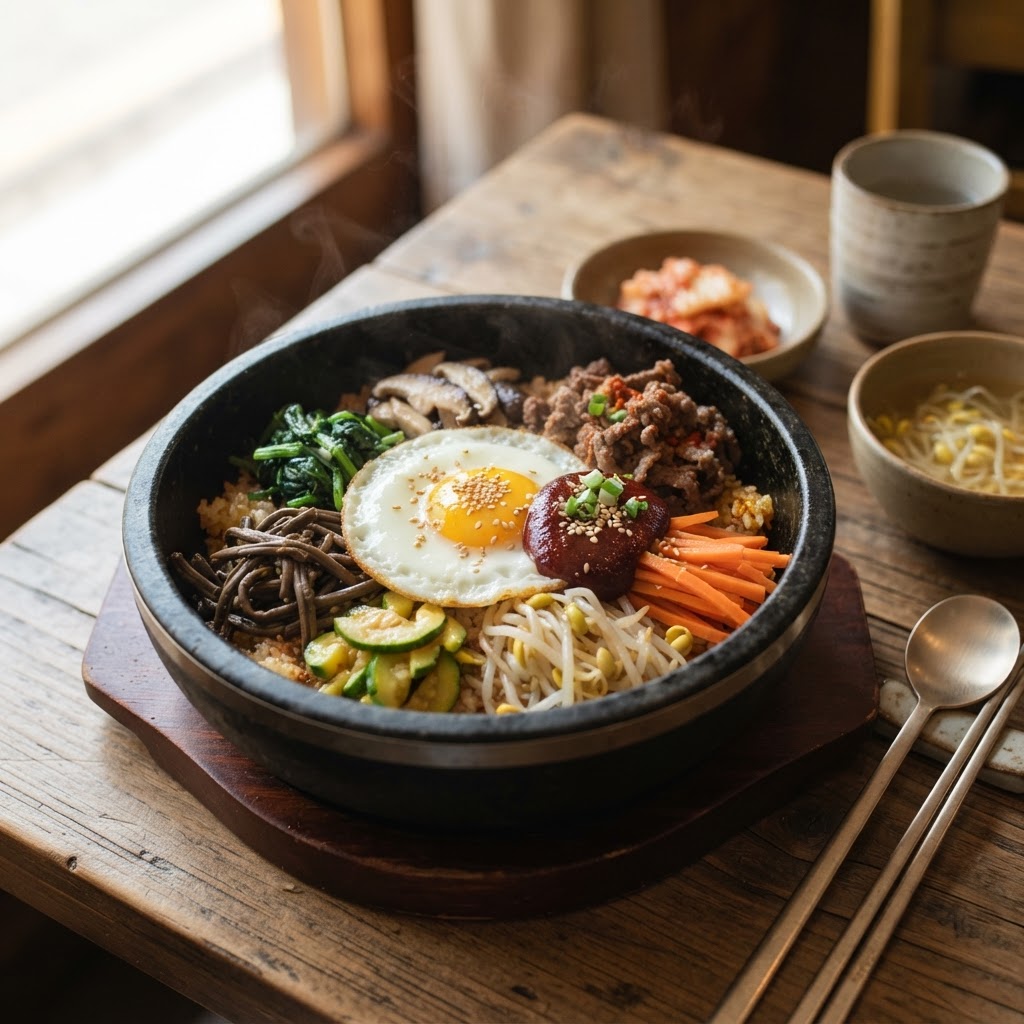
Korean Bibimbap: Jeonju's Joseon Dynasty Mixed Rice
October 11, 2026
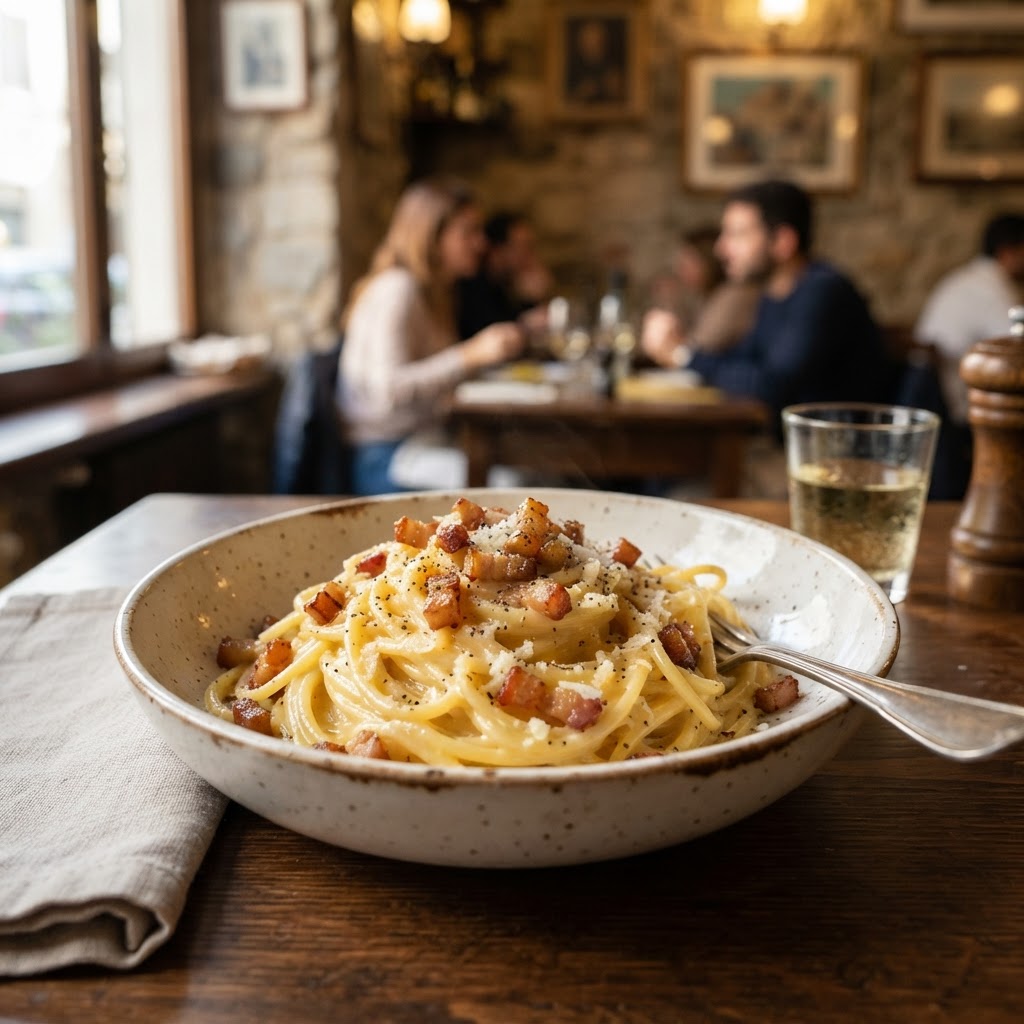
Spaghetti alla Carbonara: Rome's World War II Pasta of Eggs, Guanciale, and Pecorino
October 9, 2026