The Campari Blood Orange Prosecco Mimosa
April 2, 2026
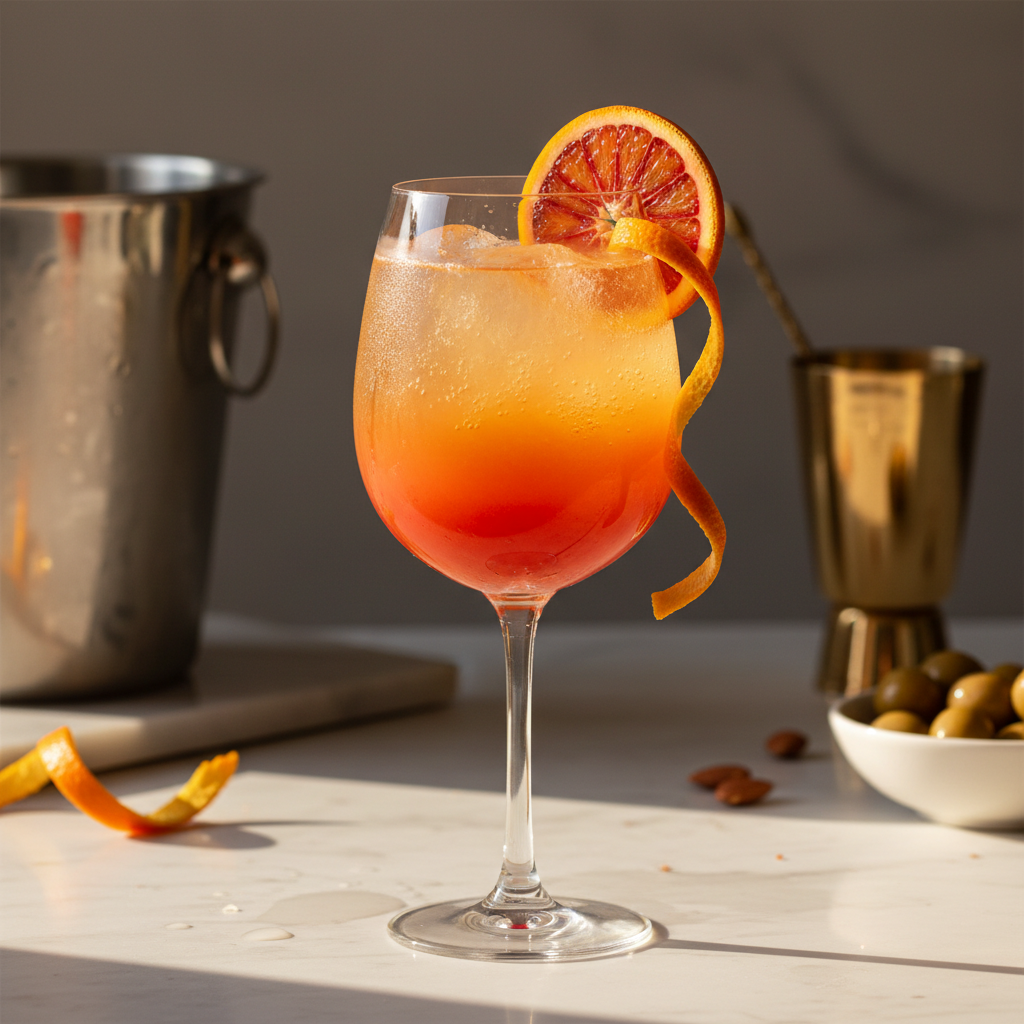
The Campari Blood Orange Prosecco Mimosa sits precisely at the intersection of the aperitivo tradition and the brunch cocktail — a Negroni Sbagliato seen through the lens of a mimosa, vivid sunset-orange in the glass, bitter-sweet, complex, and immediately compelling. Campari's distinctive bitterness, from its gentian and rhubarb botanicals, transforms what would otherwise be a simple blood orange mimosa into something with the structure and sophistication of a composed cocktail. It is the most adult, most complex, and most conversation-starting mimosa in this collection.
About Campari
Campari was created in 1860 by Gaspare Campari in Novara, Italy, and has remained one of Italy's defining aperitivo spirits for over 160 years. Its formula — comprising over 60 botanicals including gentian root, rhubarb, aromatic herbs, and the signature bitter orange — is a closely guarded secret. The distinctive red color, originally from carmine (derived from cochineal insects), is now achieved with artificial coloring in most markets. Campari's official website provides an excellent overview of the brand's history and cocktail applications.
The Negroni Sbagliato ("mistaken Negroni") — created in Milan in the 1970s when a bartender accidentally reached for Prosecco instead of gin — is the direct ancestor of this mimosa. It proved that Campari and sparkling wine are natural partners: the wine's effervescence lightens Campari's intensity while its dryness provides the bracing counterpoint the bitterness needs.
Ingredients (serves 6): - ¾ cup fresh blood orange juice (from 4–5 blood oranges; season January–April) — substitute Valencia orange juice when unavailable - 3 oz Campari - 1 bottle (25 oz chilled Prosecco Brut DOC (La Marca, Mionetto, or Zardetto) - Blood orange half-wheels and a large orange peel twist for garnish
Instructions: Stir blood orange juice and Campari together in a pitcher until combined. The blend will be a vivid, saturated deep orange-red. Chill thoroughly — Campari's bitterness is most pleasant when very cold.
Chill Champagne flutes or wine glasses (a wider-bowled wine glass actually shows this mimosa better, as the color and garnish benefit from more space). Pour 1½ oz of the Campari-blood orange blend into each glass. Top slowly with chilled Prosecco. The deep orange-red will bloom through the pale wine, creating a dramatic sunset gradient. Garnish with a blood orange half-wheel draped on the rim and a large orange peel twist expressed over the glass to release its oils.
For a Mimosa Bar (serves 12): - 1½ cups blood orange juice - 6 oz Campari - 2 bottles Prosecco Brut, chilled
Pre-mix the Campari and blood orange juice in a glass pitcher and refrigerate. Add Prosecco only at service.
Variations: - Replace Campari with Aperol for a milder, sweeter, more approachable version that is the literal "Aperol Betty Spritz" — famous at Italian aperitivo hour. - Add ½ oz of Grand Marnier per serving for a Campari Grand Marnier Blood Orange Mimosa with added orange liqueur complexity. - Use sparkling rosé instead of Prosecco for an even deeper, more complex color and flavor that references both the Rosé Negroni and the Mimosa simultaneously.
Pairing: Campari's bitterness makes this the ideal food-pairing mimosa — its bitter-sweet complexity complements almost every brunch dish: charcuterie boards, rich egg preparations, smoked fish, and full English-style spreads. The blood orange's acidity keeps fatty foods tasting fresh. It is also exceptional alongside bitter greens — arugula salads and bitter-dressed dishes find the Campari note a natural companion.
Pro Tips: Campari is at 25% ABV — significantly higher than most liqueurs in this collection. The ½ oz per serving this recipe uses produces a moderately strong drink; for a more restrained version appropriate for a longer brunch, reduce to ⅓ oz. Always taste the Campari-juice blend before service: blood orange sweetness varies dramatically by season and source, and the blend may need slight adjustment with a small amount of honey or additional juice.
Rate this recipe
Be the first to rate this recipe
to submit your rating.
Recent Posts
Couscous Royale: North Africa's Grand Platter of Lamb, Chicken, and Merguez
October 14, 2026
Seattle Cream Cheese Dog Bites: Hadley Long's 1989 Pioneer Square Invention
October 14, 2026
Khao Soi: Chiang Mai's Northern Thai Coconut Curry Noodles
October 13, 2026
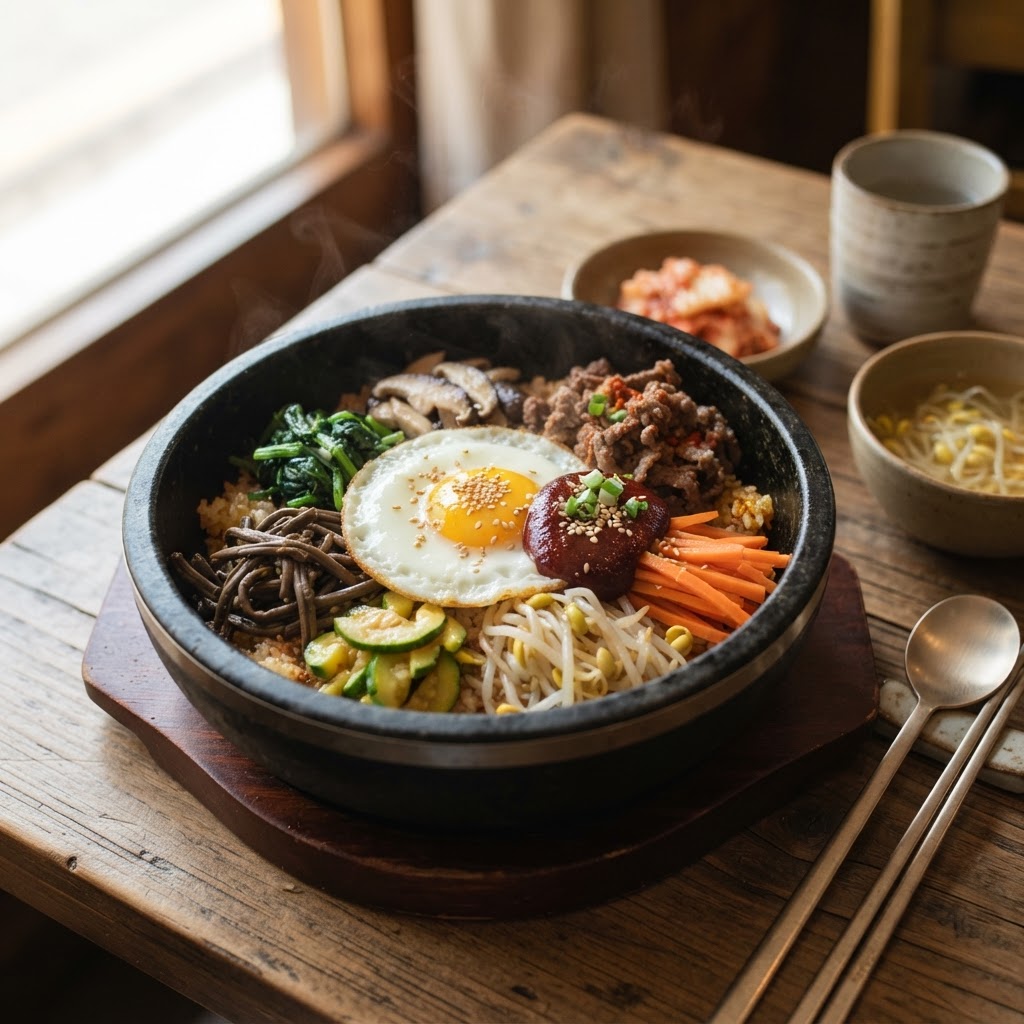
Korean Bibimbap: Jeonju's Joseon Dynasty Mixed Rice
October 11, 2026
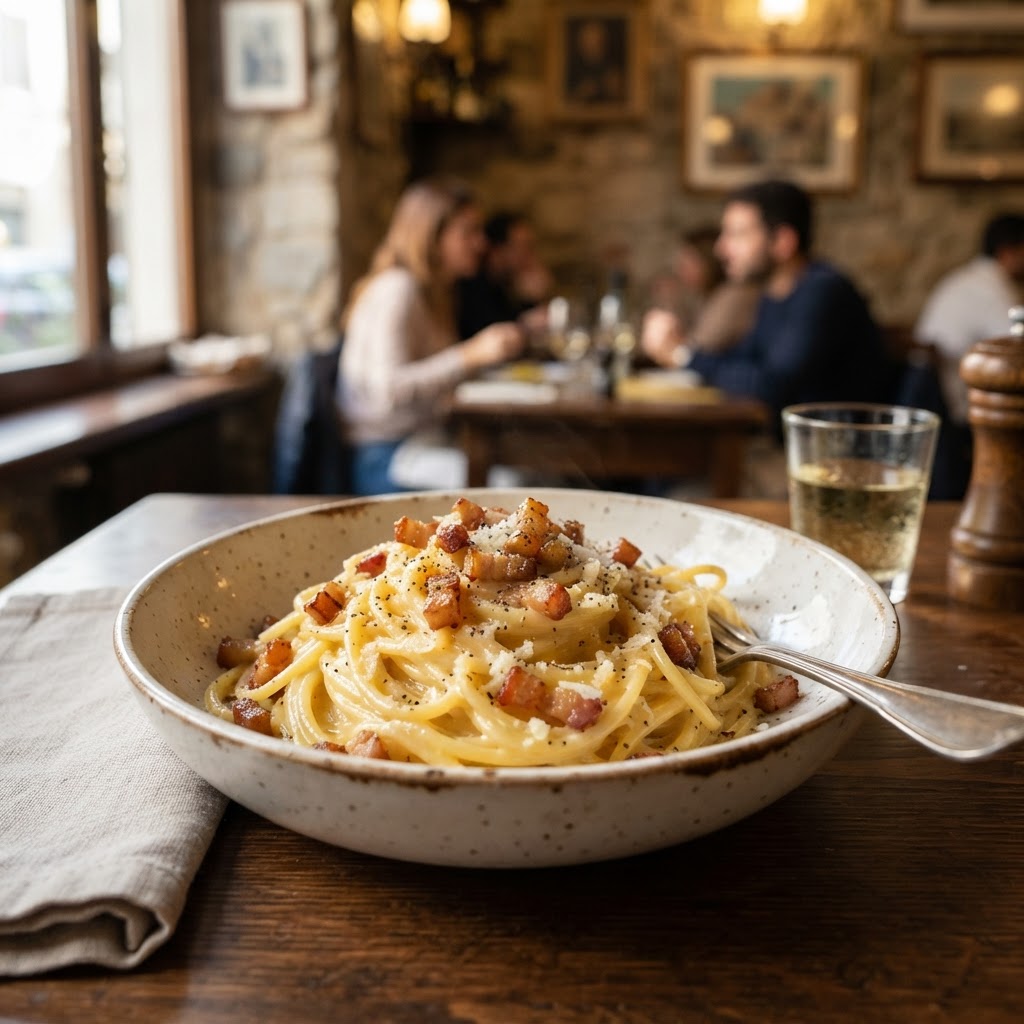
Spaghetti alla Carbonara: Rome's World War II Pasta of Eggs, Guanciale, and Pecorino
October 9, 2026