Basque Burnt Cheesecake al Moscato

May 10, 2026
The burnt Basque cheesecake was created around 1990 by Santiago Rivera at La Viña, a pintxos bar in the Old Town of San Sebastián, in the Basque Country of northern Spain. La Viña had been opened in 1959 by Eladio Rivera, and Santiago, Eladio's son, a self-taught cook who had picked up ideas from courses in Paris, began testing a cheesecake on his days off, when the bar was empty and the kitchen was his. Cream cheese and other modern ingredients were just reaching Spain as the country opened to the global economy, and he worked with them freely. The cheesecake he arrived at has no crust, only cream cheese, sugar, eggs, heavy cream, a little flour, and vanilla, baked directly in a parchment-lined pan at a high temperature until the top is dark, almost burnt, and the center is barely set.
It subverts the rules of the conventional cheesecake, which is baked gently, in a water bath, at a low temperature, until smooth and pale and uniformly creamy from edge to center. The Basque version is baked hot, without a water bath, until the top is deeply caramelized, almost crème brûlée, over a soft, custardy interior that is still jiggling when it leaves the oven. The contrast between the dark, bitter top and the pale, sweet, creamy interior is the whole of the dessert, and the whole of it comes together in minutes in a blender.
Our Mimosavated version adds a splash of Moscato d'Asti to the batter, the fragrant, lightly sparkling sweet wine of Piedmont, whose peach, orange-blossom, and honeysuckle aromas add a floral sweetness that lifts the cream cheese filling.
Ingredients (serves 10):
The Basque Burnt Cheesecake: - 1 lb 5 oz full-fat cream cheese, room temperature - 10.6 oz granulated sugar - 4 large eggs, room temperature - 1 ¼ cups heavy cream - 3 ⅓ tbsp Moscato d'Asti - 1 oz all-purpose flour - 1 teaspoon vanilla extract - A pinch of salt
Making the Cheesecake: Preheat the oven to 446°F (450°F). Line a 9 in (9-inch) round springform pan with two large sheets of parchment paper, crisscrossed, pressing them into the bottom and up the sides — let the paper overhang generously, as the cheesecake will rise above the rim of the pan. Brush the parchment lightly with butter.
In a food processor or blender, combine the cream cheese and sugar. Process until completely smooth and creamy, scraping down the sides as needed. Add the eggs one at a time, processing after each addition. Add the heavy cream, Moscato, flour, vanilla, and salt, and process until completely smooth — the batter should be silky and pourable.
Pour the batter into the prepared pan. Bake for 50–60 minutes, until the top is deeply, darkly browned — almost burnt — and the center still jiggles significantly when you shake the pan. The edges should be set and deeply caramelized, while the center should be soft and wobbly. Don't be afraid of the dark color — the burnt top is the entire point.
Remove from the oven and let cool in the pan on a wire rack for at least 2 hours. The cheesecake will deflate slightly as it cools. Then refrigerate for at least 4 hours, ideally overnight, before unmolding.
Serving: To unmold, release the springform pan sides. Use the parchment overhang to lift the cheesecake out. Peel away the parchment and transfer to a serving plate. Slice with a hot, clean knife — dip in hot water and wipe between cuts. Serve chilled or at room temperature.
The Mimosa Pairing Logic: Since the batter contains Moscato d'Asti, pair with a peach bellini mimosa — peach purée and Prosecco. The peach echoes the Moscato and complements the creamy, caramelized cheesecake. A strawberry mimosa is also excellent — the strawberry and the caramelized top crust are a beautiful pairing. Avoid heavy or dry mimosas — Basque burnt cheesecake is rich and creamy, and you need something light and fruity to balance it.
Reference Links: - The history of burnt Basque cheesecake (San Sebastián, La Viña, 1999): La Patisserie du Monde - Basque Cheesecake: Viral La Viña Recipe (Santiago Rivera): Travel Cook Eat - Basque burnt cheesecake on Wikipedia (San Sebastián origins): Wikipedia - Moscato d'Asti wine guide: Wine Folly
Make-Ahead: Basque burnt cheesecake must be made at least 4 hours ahead and ideally overnight — it needs time to set in the refrigerator. It can be refrigerated for up to 4 days and actually improves after a day as the flavors meld and the texture firms up. The cheesecake can be frozen for up to 1 month — wrap tightly in plastic wrap and foil, thaw overnight in the refrigerator. Serve chilled or at room temperature.
Pro Tips: Use full-fat cream cheese — low-fat or spreadable cream cheese will not produce the right texture. All ingredients must be at room temperature — cold ingredients will create lumps in the batter. Use a blender or food processor — this creates the smoothest, most uniform batter, which is essential for the creamy texture. Don't use a water bath — the high, dry heat is what creates the burnt, caramelized top crust. Don't be afraid of the dark color — the "burnt" top is the entire point, and it provides the complex, bittersweet, caramelized flavor that distinguishes this cheesecake. The center should still jiggle when you remove it from the oven — the cheesecake continues to cook as it cools, and overbaking will make the center dry and cakey instead of creamy. Let it cool completely before refrigerating — putting a hot cheesecake in the refrigerator can cause condensation and affect the texture. Use parchment paper, not a buttered pan — the cheesecake sticks, and parchment allows you to lift it out cleanly. Slice with a hot knife — the creamy, sticky texture requires a clean, hot blade for presentable slices.
Rate this recipe
Be the first to rate this recipe
to submit your rating.
Recent Posts
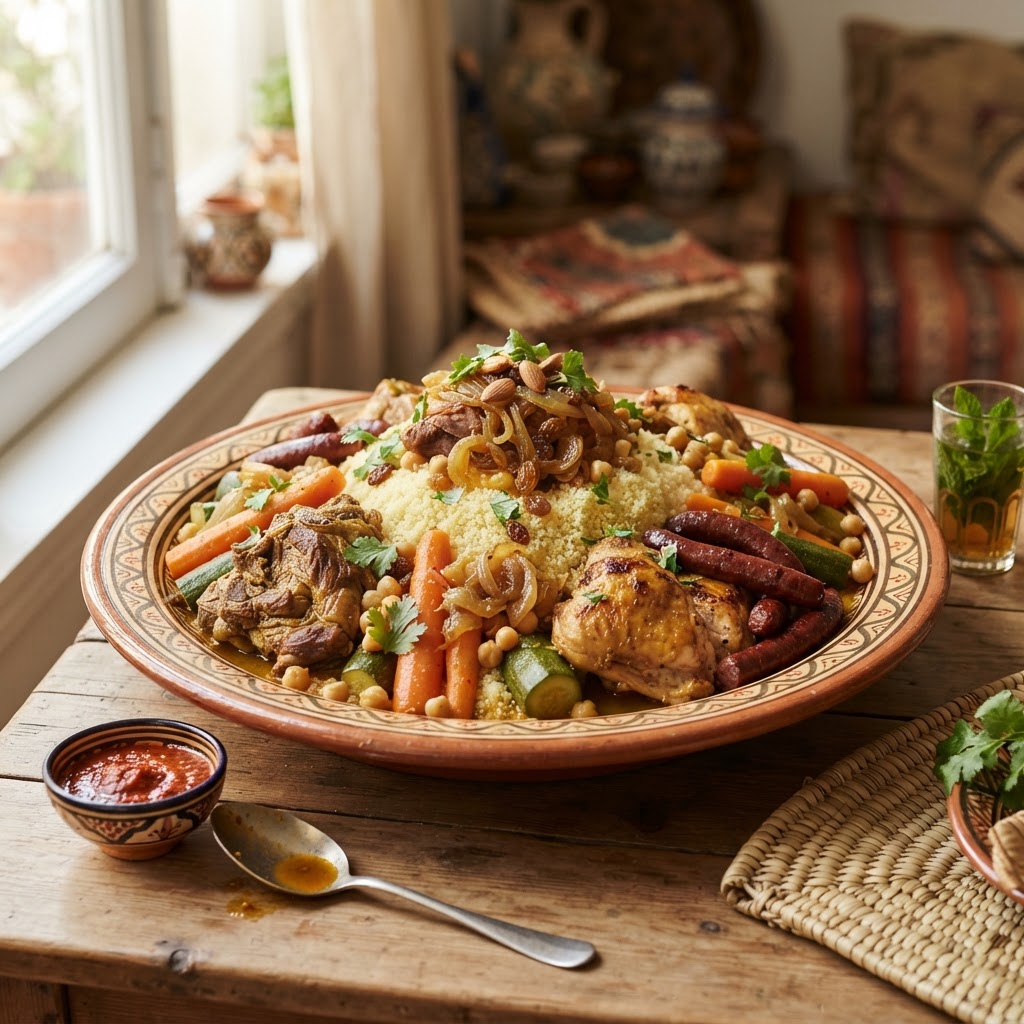
Couscous Royale: North Africa's Grand Platter of Lamb, Chicken, and Merguez
October 14, 2026
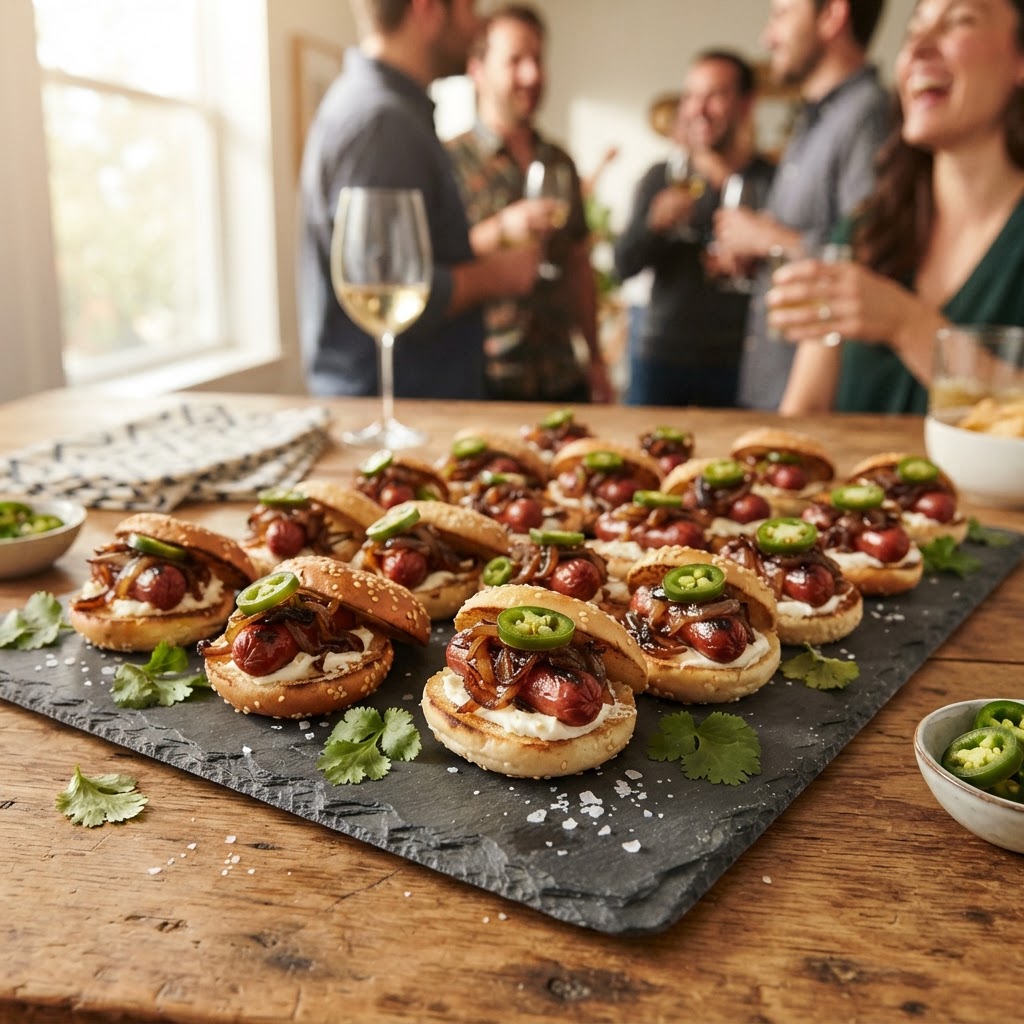
Seattle Cream Cheese Dog Bites: Hadley Long's 1989 Pioneer Square Invention
October 14, 2026
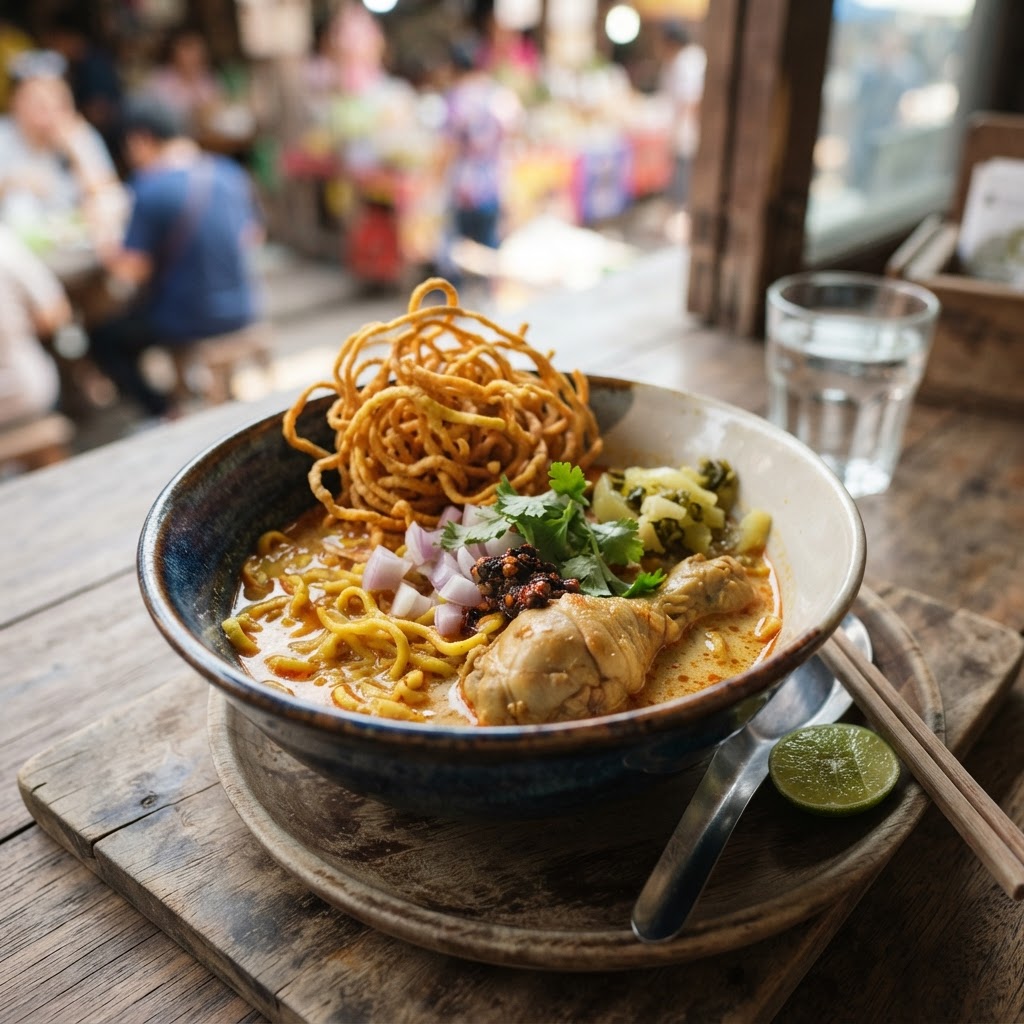
Khao Soi: Chiang Mai's Northern Thai Coconut Curry Noodles
October 13, 2026
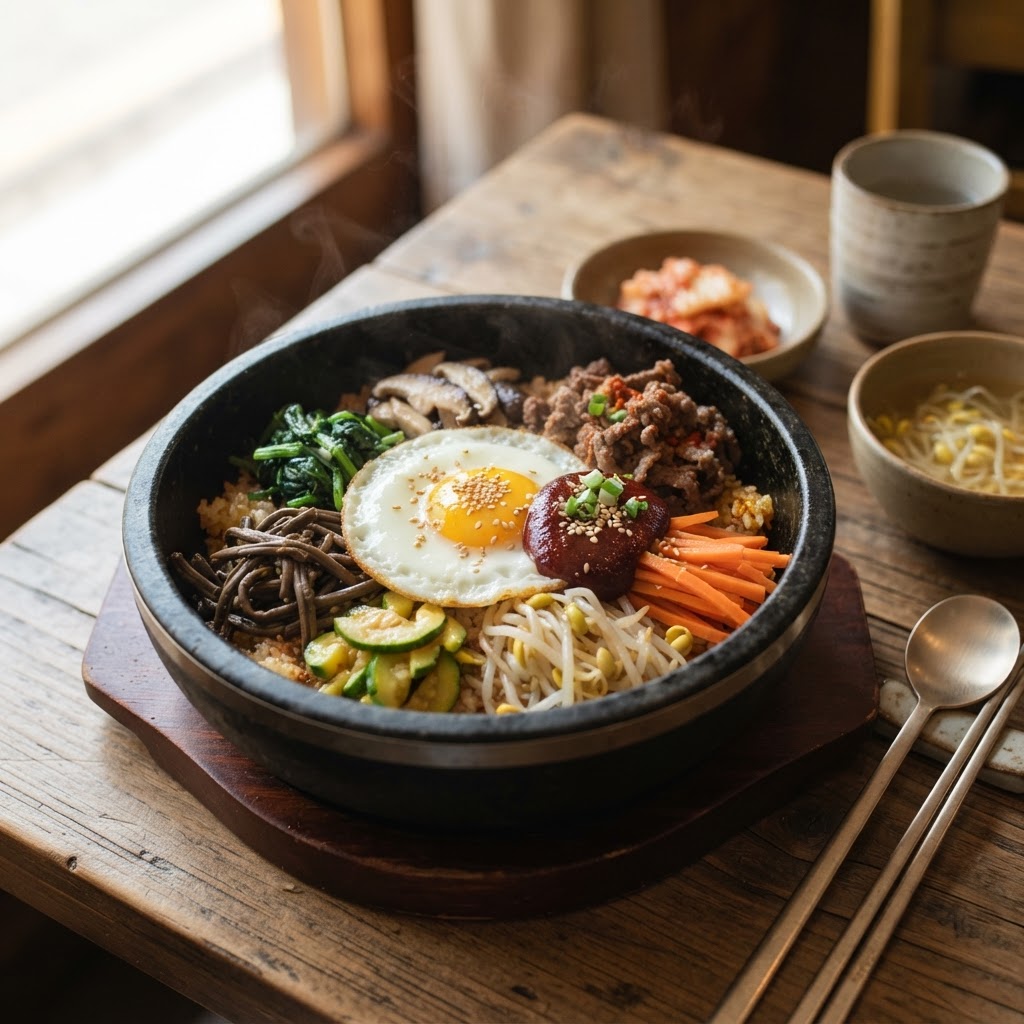
Korean Bibimbap: Jeonju's Joseon Dynasty Mixed Rice
October 11, 2026
Spaghetti alla Carbonara: Rome's World War II Pasta of Eggs, Guanciale, and Pecorino
October 9, 2026