Culture
The Venice Biennale: Art's Most Important Gathering Explained
Every two years, Venice becomes the centre of the contemporary art world. Here is what the Biennale is, why it matters, and how to experience it properly.
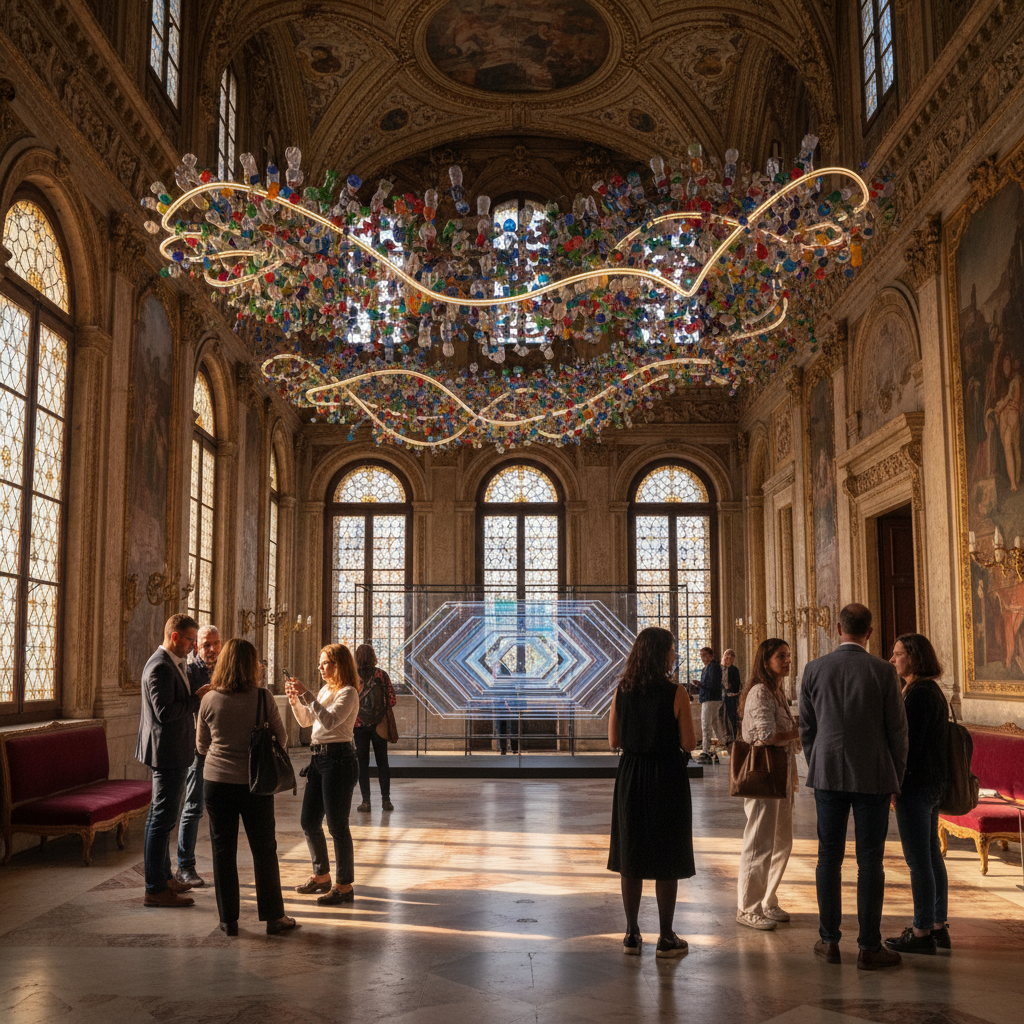
The Venice Biennale — La Biennale di Venezia — is the oldest and most prestigious international art exhibition in the world. Founded in 1895, it takes place every two years across the Giardini and Arsenale sites, drawing over half a million visitors across its six-month run and functioning as a kind of Olympic Games for contemporary art: a gathering of nations, a competition for prizes, and an unrivalled display of where art stands globally at this particular moment.
**What It Is and How It Works**
The Biennale comprises three interconnected elements. The International Exhibition is the central curatorial show, organised by an appointed curator who selects an overarching theme and commissions or selects work from artists around the world. The 2026 edition — the 61st — is titled *In Minor Keys*, curated by Koyo Kouoh, and runs from 9 May to 22 November 2026 (labiennale.org).
The National Pavilions are the second component: permanent or temporary structures in the Giardini and Arsenale in which 99 nations mount their own exhibitions, each representing their national artistic identity. The most coveted prize — the Golden Lion — can be awarded either to an individual artist or to a national pavilion.
Collateral Events — exhibitions mounted independently throughout Venice's palazzi, museums, and galleries — form the third layer, extending the Biennale's reach across the entire city and making the experience genuinely inexhaustible.
**The Venues**
The Giardini (the Gardens) contains the Central Pavilion and the historic national pavilions — the American, British, German, and French pavilions occupy prime positions and are consistently among the most significant. The Arsenale — Venice's former naval shipyard, an extraordinary complex of medieval brick halls — houses the main international exhibition and additional national pavilions. Allow a full day for each venue.
**Planning Your Visit**
The Preview Days (the two days before official opening, by invitation only) and the first public weekend are the most attended — professionals, critics, and serious collectors descend on Venice in numbers that overwhelm the city. Visit in September or October for the best balance of attendance and atmosphere. Tickets at labiennale.org.
Berggruen Arts & Culture (berggruen.org), which opened in Palazzo Diedo in 2024, has become one of the most significant new cultural spaces in Venice — worth visiting during the Biennale period for its independently programmed exhibitions. The Punta della Dogana and Palazzo Grassi (pinaultcollection.com), housing François Pinault's extraordinary contemporary collection, offer world-class programming year-round.
**Why It Matters**
The Venice Biennale has launched careers, shifted critical consensus, and placed marginalised artistic practices at the centre of international attention. Artists who have shown here — from Louise Bourgeois and Cindy Sherman to Ai Weiwei and Kara Walker — represent the living canon of contemporary art. To walk through the Arsenale at a strong edition is to understand, viscerally, what is possible in art right now.
For the serious visitor, it is the most important cultural event on the calendar.
Continue Reading