Fashion
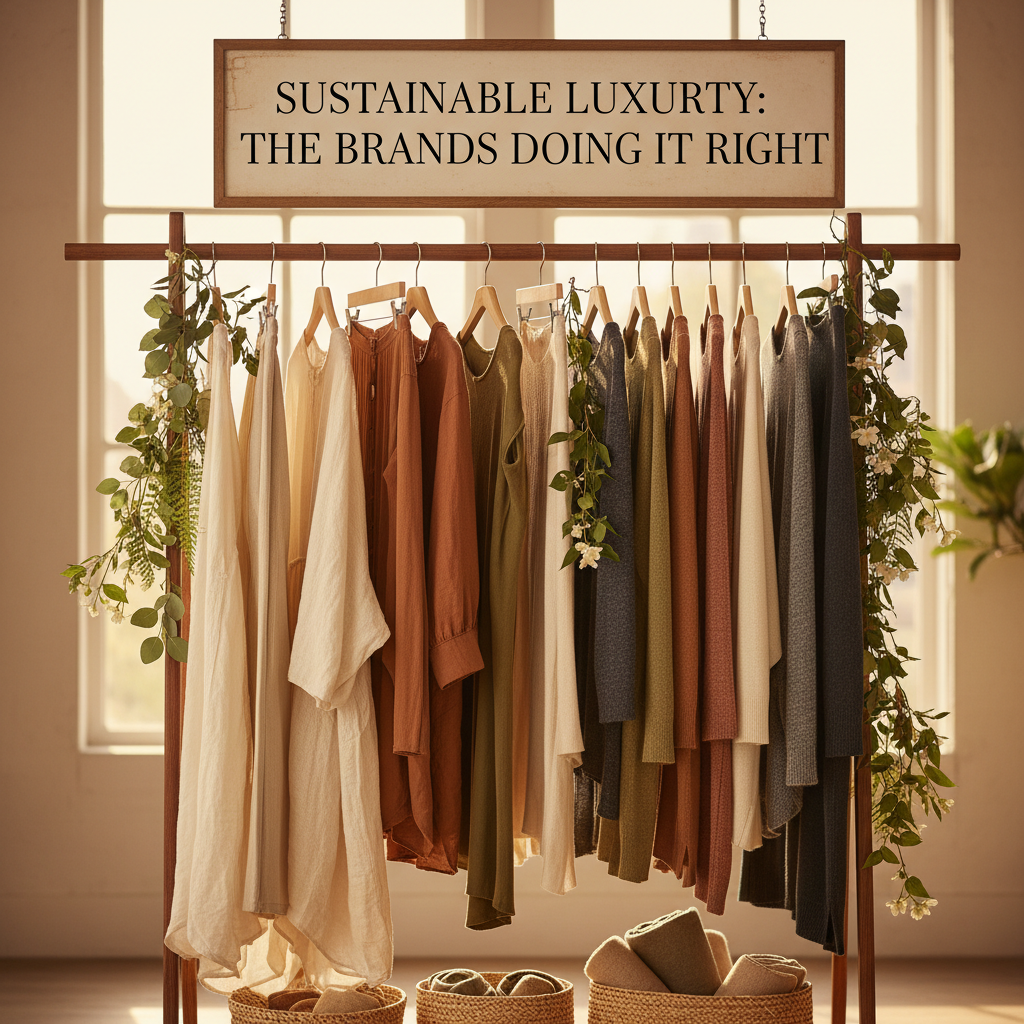
Sustainable Luxury: The Fashion Brands Doing It Right
The fashion industry is one of the world's most polluting. But a growing number of luxury brands are demonstrating that exceptional quality and genuine environmental responsibility are not only compatible — they are inseparable.
The fashion industry accounts for approximately 10% of global carbon emissions and is the second largest consumer of water globally, according to the United Nations Environment Programme (unep.org). The answer to this crisis is not the fast-fashion industry's greenwashing — a 'conscious collection' made from recycled bottles while the main line continues at the same ruinous scale — but a fundamental rethinking of what clothing is for and how it is made.
Luxury fashion, by its nature, has always been more sustainable than fast fashion: fewer pieces, better made, lasting longer. But the best contemporary brands are going further.
**Stella McCartney (stellamccartney.com)**: The most committed major fashion house on environmental issues. McCartney has never used leather or fur — extraordinary in the luxury context — and has pioneered the use of alternative materials including Mylo mushroom leather, Bolt Threads silk (made from yeast fermentation), and regenerative cotton. Her annual Environmental Profit and Loss account, published annually, measures the full environmental cost of her supply chain.
**Eileen Fisher (eileenfisher.com)**: The American brand has operated a take-back programme — Renew — since 2009, collecting over two million garments for resale, upcycling, or responsible disposal. Their clothing is made from organic linen, recycled cashmere, and Tencel; their supply chain is audited against the Fair Labor Association standards.
**Veja (veja-store.com)**: The French sneaker brand has operated with total supply chain transparency since its founding in 2004. Their cotton comes from organic cooperatives in Brazil; their leather is sourced from farms certified by the Rainforest Alliance. Their factory in Porto Alegre pays wages 30% above the Brazilian minimum. The brand does zero advertising, spending the budget instead on better production.
**Patagonia (patagonia.com)**: The outdoor brand that has donated 1% of its revenue to environmental causes since 1985 and, in 2022, transferred ownership to a charitable trust designed to ensure all profits in perpetuity go to fighting climate change. Their Worn Wear programme provides repairs and resale for used Patagonia garments.
**Brunello Cucinelli (brunellocucinelli.com)**: The cashmere house operates on what its founder calls 'humanistic capitalism' — above-market wages, limits on factory working hours, a commitment to the restoration of the medieval village of Solomeo. Their garments are made to last and carried with a lifetime repair service.
**The principle that unites them**: True sustainability in fashion is inseparable from quality. A garment made to last twenty years is inherently more sustainable than one designed for two seasons, regardless of its material composition.
Continue Reading