Wellness
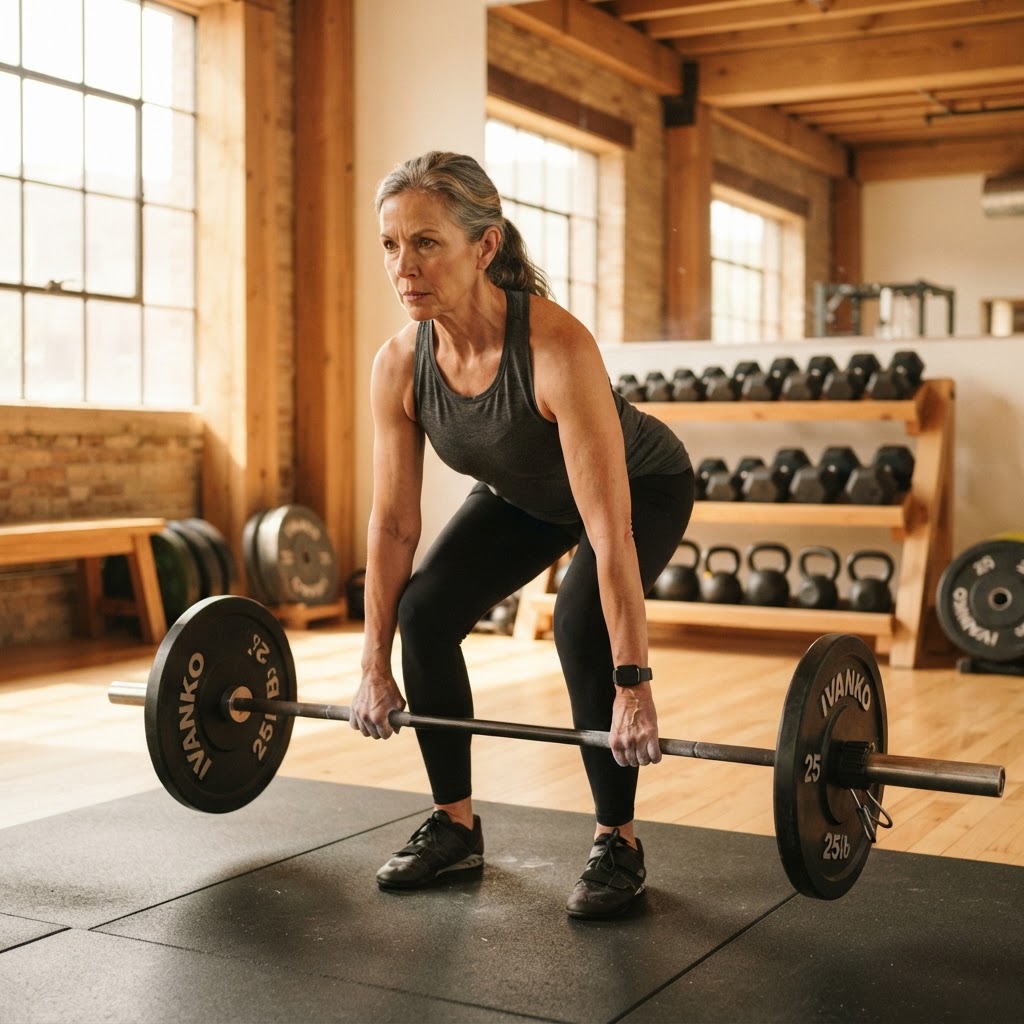
Strength Training for Longevity: Why Muscle Is the Organ of Longevity
Strength training is emerging as one of the most important practices for longevity. A 2022 meta-analysis in the British Journal of Sports Medicine found that muscle-strengthening activities reduce all-cause mortality by 10–17% — and muscle is the organ of longevity.
Strength training — once associated primarily with bodybuilders and athletes — has emerged as one of the most important practices for healthy aging and longevity. The scientific consensus is now clear: maintaining muscle mass and strength throughout life is one of the single most effective interventions for extending healthspan — the period of life spent in good health.
The idea that 'muscle is the organ of longevity' has been advanced most prominently by Dr. Gabrielle Lyon, a physician whose 2023 book 'Forever Strong: A New, Science-Based Strategy for Aging Well' (Simon & Schuster) argues that skeletal muscle is the body's largest endocrine organ and the key to metabolic health, cognitive function, and resilience in aging.
The Evidence
The most comprehensive meta-analysis of strength training and longevity was published in the British Journal of Sports Medicine in 2022. The study, led by Dr. Haruki Momma of Tohoku University, synthesised data from 16 cohort studies involving over 1.5 million participants. It found that muscle-strengthening activities were associated with a 10–17% lower risk of all-cause mortality, cardiovascular disease, total cancer, and diabetes. The optimal amount was 30–60 minutes of strength training per week, with diminishing returns beyond 130 minutes.
A 2026 study, reported by Science Daily, suggested that 90 to 120 minutes of resistance training per week may be the ideal range for reducing the risk of premature death, though the general consensus remains that even modest amounts of strength training confer significant longevity benefits.
Why Muscle Matters
The health benefits of strength training extend far beyond the muscles themselves. Skeletal muscle is the body's primary site of glucose disposal — muscle tissue accounts for approximately 80% of insulin-mediated glucose uptake. Greater muscle mass is therefore associated with improved insulin sensitivity and a lower risk of type 2 diabetes. Strength training also:
**Preserves bone density** — Resistance training stimulates bone formation and slows bone loss, reducing the risk of osteoporosis and fractures, which are a leading cause of disability and mortality in older adults.
**Improves metabolic health** — Strength training reduces visceral fat (the metabolically active fat around internal organs), improves lipid profiles, and lowers blood pressure.
**Protects cognitive function** — Research has found that resistance training improves executive function, memory, and processing speed in older adults, possibly through increased production of brain-derived neurotrophic factor (BDNF).
**Prevents sarcopenia** — The age-related loss of muscle mass (sarcopenia) begins at approximately age 30 and accelerates after 60, with adults losing 3–8% of muscle mass per decade. Strength training is the only intervention proven to reverse this loss.
Practical Guidance
The World Health Organization recommends muscle-strengthening activities involving major muscle groups on two or more days per week for adults. For those new to strength training, the most effective exercises are compound movements that engage multiple muscle groups simultaneously: squats, deadlifts, presses, rows, and pull-ups. Bodyweight exercises (push-ups, lunges, planks) are an effective starting point. Progressive overload — gradually increasing the weight, repetitions, or intensity — is the fundamental principle of strength adaptation.
Reference Links:
- British Journal of Sports Medicine (Momma et al., 2022): bjsm.bmj.com/content/56/13/755
- Dr. Gabrielle Lyon — Forever Strong: drgabriellelyon.com
- World Health Organization — Physical Activity Guidelines: who.int/publications
- American College of Sports Medicine: acsm.org
- National Strength and Conditioning Association: nsca.com
- Science Daily — Strength Training and Longevity: sciencedaily.com
- Tohoku University: tohoku.ac.jp



Continue Reading