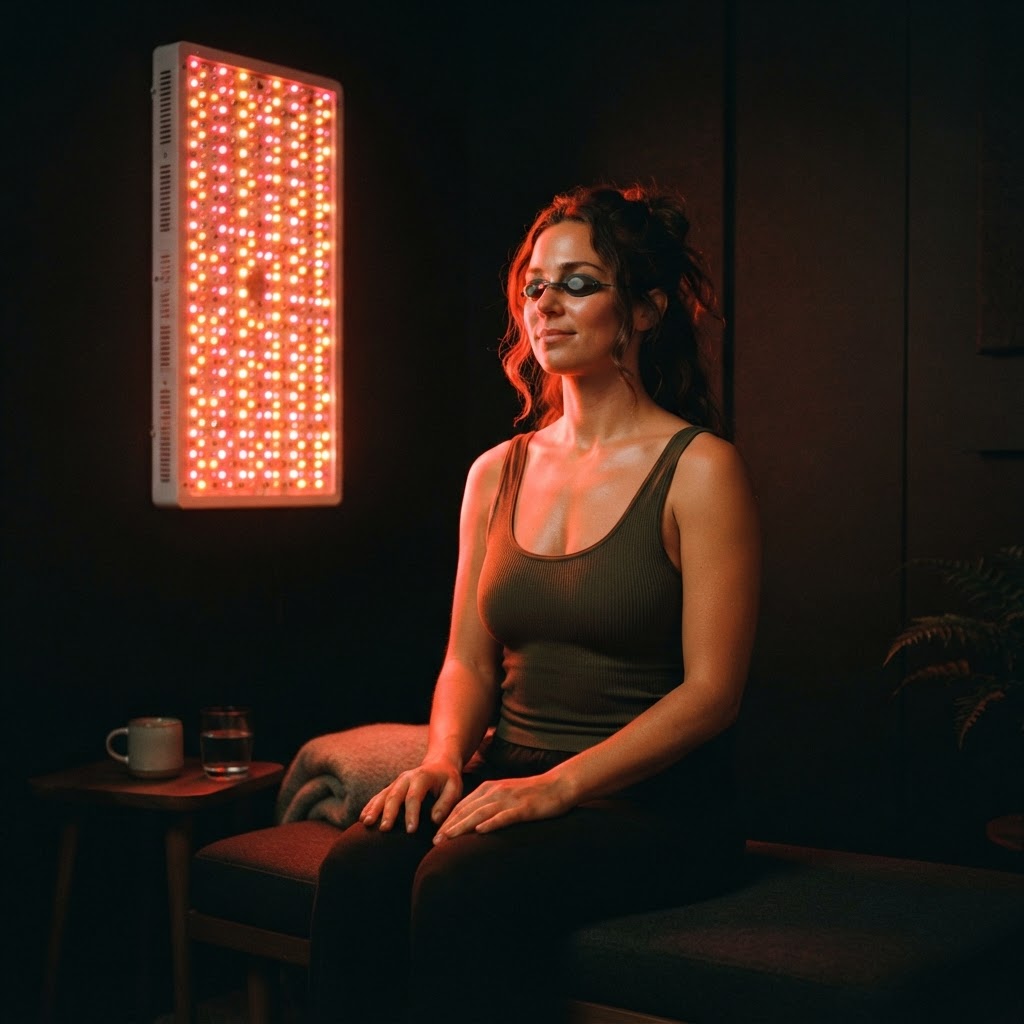
Wellness
Red Light Therapy: The Science of Photobiomodulation
Red light therapy, or photobiomodulation, uses specific wavelengths of light to stimulate mitochondrial function. From NASA space research to FDA-cleared clinical applications, the science behind this therapy is substantial and growing.
Red light therapy — also known as photobiomodulation (PBM) or low-level light therapy (LLLT) — is the use of specific wavelengths of red and near-infrared light to stimulate cellular function and promote healing. The therapy is one of the most scientifically validated light-based wellness modalities, with a research history that spans more than half a century.
The scientific foundation of red light therapy lies in its action on the mitochondria — the energy-producing organelles within cells. Red light (approximately 630–660 nanometres) and near-infrared light (approximately 810–850 nanometres) penetrate the skin and are absorbed by **cytochrome c oxidase** — a key enzyme in the mitochondrial electron transport chain (Complex IV). This absorption stimulates the production of adenosine triphosphate (ATP), the primary energy currency of the cell, and triggers a cascade of beneficial cellular effects including reduced oxidative stress, improved blood flow, and enhanced tissue repair.
A comprehensive review published in PMC (PubMed Central) in 2010 established the role of redox mechanisms in low-intensity light therapy, confirming that the mitochondrial electron transport chain is photosensitive to red and near-infrared light.
NASA Research
One of the most significant chapters in the history of red light therapy is its development by NASA. In the 1990s, NASA scientists at the Marshall Space Flight Center explored the use of high-intensity red and near-infrared LEDs to grow plants in space — and discovered, serendipitously, that the light also accelerated the healing of wounds and lesions on the astronauts' hands. This led to a programme of medical research into the use of LED therapy for wound healing, tissue repair, and the prevention of muscle and bone loss in microgravity.
A NASA Spinoff report documents this research, noting that high-intensity red and near-infrared LEDs significantly accelerated the healing of oxygen-deprived tissues, and that the technology was subsequently licensed for medical and consumer applications.
The Applications
The evidence base for red light therapy now covers a range of applications:
**Skin health** — Red light therapy stimulates fibroblast production and collagen synthesis, improving skin elasticity, reducing wrinkles, and accelerating wound healing. Clinical studies published in the Journal of Cosmetic and Laser Therapy and Lasers in Surgery and Medicine have demonstrated measurable improvements in skin tone and texture.
**Pain and inflammation** — PBM has been shown to reduce pain and inflammation in conditions including osteoarthritis, tendonitis, and chronic joint pain, by modulating inflammatory pathways and promoting tissue repair.
**Muscle recovery** — Studies have found that red light therapy applied before or after exercise reduces muscle fatigue, decreases delayed-onset muscle soreness (DOMS), and accelerates recovery.
**Hair growth** — Red light therapy at 655 nm has been FDA-cleared for the treatment of androgenetic alopecia (pattern hair loss), with clinical trials demonstrating significant hair regrowth.
Practical Considerations
Effective red light therapy requires adequate irradiance (power density) and the correct wavelengths. Clinical-grade devices typically deliver 630–660 nm (red) and 810–850 nm (near-infrared) light at irradiances of 50–200 mW/cm². Sessions of 10–20 minutes, 3–5 times per week, are typical. Reputable device manufacturers include Joovv, Mito Red Light, and Biomax, all of which publish their device specifications.
Reference Links:
- NASA Spinoff — Medical Uses of Light: spinoff.nasa.gov/NASA-Research-Illuminates-Medical-Uses-of-Light
- PMC — Low-Intensity Light Therapy: Role of Redox Mechanisms: pmc.ncbi.nlm.nih.gov/articles/PMC2996814/
- Photobiomodulation Foundation: photobiomodulation.org
- Joovv (device manufacturer): joovv.com
- Mito Red Light: mitoredlight.com
- Biomax (BioLight): biolight.tech
- North American Association for Photobiomodulation Therapy: naamap-le.org
- Lasers in Surgery and Medicine (journal): onlinelibrary.wiley.com/journal/lsm


Continue Reading