Culture
Kyoto: The City That Teaches You to See
In a world moving at frightening speed, Kyoto — ancient, considered, irreducibly beautiful — offers something genuinely rare: a place that teaches you to slow down and look.
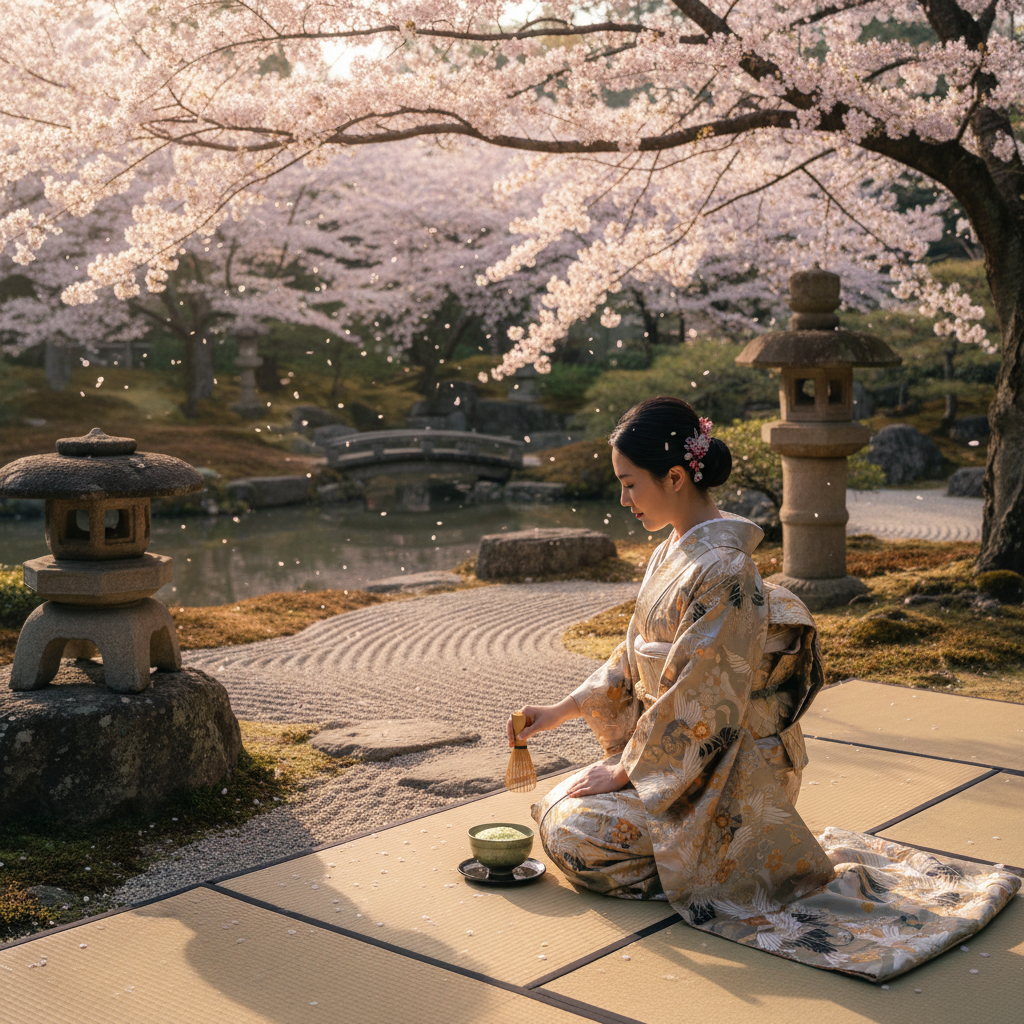
Kyoto is not a spectacle. It does not perform for visitors the way Tokyo does, or Rome, or New York. It asks you to come to it — to slow your pace, to quiet your phone, to look more carefully than you are accustomed to looking. When you do, it reveals itself as one of the most extraordinarily layered and beautiful places human beings have ever made.
The city was Japan's imperial capital for over a thousand years — from 794 to 1869 — and survived World War II intact while most other Japanese cities were destroyed. As a result, it contains an almost improbable concentration of cultural heritage: 17 UNESCO World Heritage sites, over 1,600 Buddhist temples, 400 Shinto shrines, and dozens of traditional arts in continuous, living practice.
**What to seek**: Beyond the famous temples (Kinkaku-ji's gold pavilion, Fushimi Inari's vermilion torii gates), Kyoto rewards those who explore its quieter corners. The Philosopher's Path — a canal-side walkway lined with cherry trees — is most beautiful at dawn, before it fills. The machiya townhouses of Nishijin hide extraordinary textile studios where Nishijin-ori silk weaving (nishijin.or.jp), practised for over 500 years, can be observed.
**Where to Stay**: Aman Kyoto (aman.com/resorts/aman-kyoto) — hidden in a private garden above the Kinkaku-ji — is the most extraordinary hotel in Japan and among the finest in the world. The ryokan (traditional inn) experience is equally unmissable; Hiiragiya (hiiragiya.co.jp), in continuous operation since 1818, provides an authentic and extraordinarily beautiful alternative.
**Cultural Experiences**: The Urasenke Tea School (urasenke.or.jp) offers tea ceremony experiences taught by students of the traditional school. Nijo Castle's nighttime illuminations in autumn are one of Japan's most beautiful annual events.
**The Kyoto Morning**: A ryokan breakfast — miso soup, grilled fish, pickled vegetables, perfect rice — served in your tatami room overlooking a moss garden at 7am is an experience of quietude and beauty that recalibrates the nervous system as effectively as any spa treatment.



Continue Reading


