Torrijas: The Spanish Holy Week French Toast from the Middle Ages
July 19, 2026
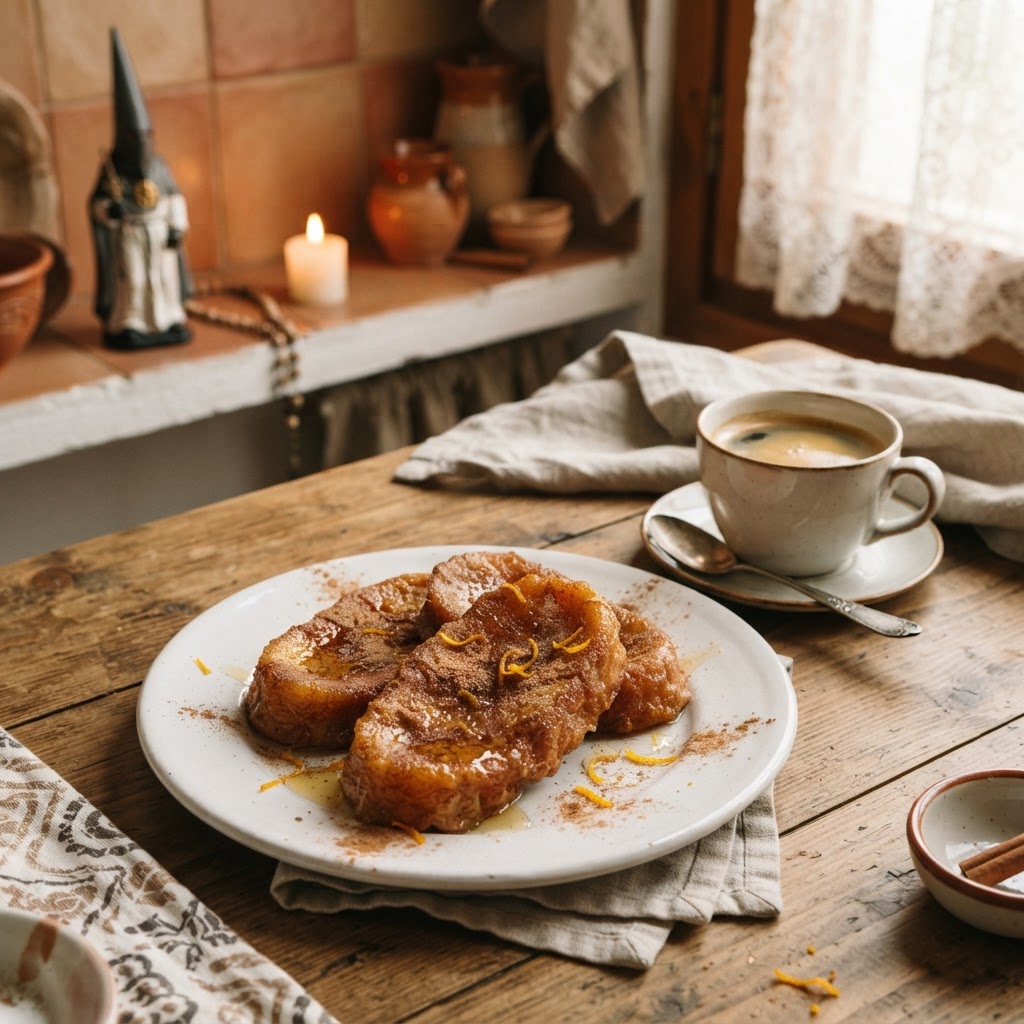
Torrijas are Spain's answer to French toast — thick slices of bread soaked in milk and cinnamon, dipped in egg, fried in olive oil until golden, and dusted with sugar and cinnamon or drizzled with honey. They're a popular treat associated with Semana Santa (Holy Week) and the Lenten season, and their history stretches back to the Middle Ages. While they may resemble French toast, torrijas have their own distinct character — richer, more aromatic, and deeply embedded in Spanish culinary and religious tradition.
The origin of torrijas dates back to medieval Spain. This delicious treat began as a clever way to use up stale bread and avoid food waste — in a time when wasting food was not an option, soaking hard, dry bread in milk and egg to revive it was a practical and delicious solution. The first written references to torrijas appear in records dating back to the 17th century, but the dish was being made long before that. At the end of the 15th century, torrijas even made their way into a Christmas carol by the Salamanca writer Juan de la Encina (1468–1533), suggesting that the dish was well known by that time.
Torrijas became particularly associated with Lent and Holy Week (Semana Santa) in Spain. During the 40 days of Lent, the Catholic Church traditionally called for fasting and abstinence from meat, and torrijas — made with bread, milk, eggs, and honey (no meat) — were a perfect Lenten food. The dish was also a way to use up eggs and dairy before the Lenten fast. Monasteries and convents were particularly known for making torrijas, and many Spanish recipes for the dish are attributed to nuns and monks. By the 15th century, it had become common to eat torrijas during Lent and especially during Holy Week, the week leading up to Easter, and the tradition continues to this day.
Legend has it that torrijas share an ancestor with the French tradition of pain perdu — "lost bread" — the French name for French toast made with stale or "lost" bread. Both dishes share the same fundamental technique of reviving stale bread by soaking it in milk and egg before frying, and both have roots in medieval European cookery. But while French toast is often a breakfast dish in the English-speaking world, torrijas in Spain are more of a dessert or a sweet snack, traditionally associated with religious observance rather than an everyday breakfast.
The key to great torrijas is the bread and the soaking. The bread should be a dense, sturdy loaf — not soft sandwich bread — that's a day or two old, so it's slightly stale and can absorb the milk without falling apart. The slices are soaked in milk (often flavored with cinnamon, lemon peel, and sometimes wine) until saturated but not disintegrating, then dipped in beaten egg, and fried in olive oil until golden. The Spanish insistence on olive oil (rather than butter) for frying is distinctive and gives torrijas their characteristic flavor. After frying, they're traditionally dustled with sugar and cinnamon, or drizzled with honey, or sometimes soaked in a syrup of wine, sugar, and cinnamon.
Our Mimosavated version makes classic Spanish torrijas, soaked in cinnamon-lemon milk, fried in olive oil, and served with honey and cinnamon sugar.
Ingredients (serves 4):
The Bread: - 8 slices of sturdy white bread (a dense loaf, 1–2 days old — brioche, challah, or a country loaf work well), cut about ¾ in (¾ inch) thick
The Milk Soak: - 2 ⅛ cups whole milk - 3 ½ oz granulated sugar - 1 cinnamon stick - Strips of zest from 1 lemon (avoid the bitter white pith) - Strips of zest from 1 orange (optional) - A pinch of salt
The Egg Wash: - 3 large eggs, beaten - A splash of milk (1 tablespoon)
For Frying: - ⅞ cup olive oil (Spanish extra virgin is traditional; or a mix of olive oil and vegetable oil)
For Serving: - 3 ½ oz granulated sugar mixed with 1 tablespoon ground cinnamon (for dusting) - Honey (for drizzling — use a good quality Spanish honey if possible) - A pinch of flaky sea salt (optional)
Making the Milk Soak: In a saucepan, combine the milk, sugar, cinnamon stick, lemon zest, orange zest (if using), and salt. Heat over medium heat until just below boiling — do not let it boil. Remove from heat, cover, and let steep for 15–20 minutes, so the milk absorbs the flavors of the cinnamon and citrus. Remove the cinnamon stick and the zest strips. Let cool to room temperature.
Soaking the Bread: Pour the cooled milk into a shallow dish. Place the bread slices in the milk, a few at a time, and let them soak for about 30 seconds per side — the bread should absorb the milk and become saturated but not so soft that it falls apart. The exact soaking time depends on the staleness and density of your bread — dense, stale bread will need longer; fresh, soft bread will fall apart quickly. Transfer the soaked bread to a plate.
Frying the Torrijas: In a wide, shallow bowl, beat the eggs with the splash of milk. Heat the olive oil in a large skillet over medium heat — the oil should be about ⅓ in (½ inch) deep. When the oil is hot but not smoking, dip each soaked bread slice briefly in the beaten egg, coating both sides, then carefully place it in the hot oil. Fry for 2–3 minutes per side, until deep golden brown and crisp. Don't crowd the pan — fry in batches. Transfer the fried torrijas to a plate lined with paper towels to drain briefly.
Serving: While still warm, dust the torrijas generously with cinnamon sugar, or drizzle with honey, or both. The traditional Spanish way is to serve them warm, either dusted with sugar and cinnamon or drizzled with honey — never both at once (though no one will stop you if you want both). A pinch of flaky sea salt on top is a modern touch that enhances the sweetness.
The Mimosa Pairing Logic: Torrijas are sweet, aromatic, and rich with cinnamon, citrus, and honey. The ideal mimosa pairing is a classic Prosecco mimosa — orange juice and Prosecco. The bright citrus echoes the orange and lemon zest in the milk soak and provides a refreshing contrast to the sweet, fried torrijas, while the Prosecco's effervescence cleanses the palate. A blood orange mimosa is also excellent — the deeper, slightly bitter flavor of blood orange complements the cinnamon and honey. Avoid heavy or bitter mimosas — torrijas are sweet and aromatic, and you need something bright and fruity to balance them.
Reference Links: - Torrijas (origin, medieval Spain, Semana Santa): La Patisserie du Monde - A Brief History Of Spanish Torrijas (Lent, Holy Week, Middle Ages): The Culture Trip - Torrijas Are Spanish 'French' Toast (antiquity, cinnamon, lemon, honey): Saveur - The traditional torrijas at Easter (15th century, stale bread): Casa Mira - What Are Torrijas? Spain's Easter Dessert (Juan de la Encina, 15th century): The Not So Innocents Abroad
Make-Ahead: The milk soak can be made up to 2 days ahead and refrigerated — bring to room temperature before soaking the bread. The bread can be soaked in the milk up to 4 hours ahead and kept refrigerated — dip in egg and fry just before serving. Torrijas are best served immediately after frying, while warm and crisp. Leftover torrijas can be refrigerated for up to 2 days and reheated in a 347°F/350°F oven for 5 minutes — they will lose some of their crispness but will still be delicious. Do not microwave — they will become soggy. Do not freeze — the texture of the soaked bread and the fried coating suffers badly.
Pro Tips: Use dense, slightly stale bread — fresh, soft sandwich bread will fall apart when soaked and will be mushy. A day-old baguette, country loaf, brioche, or challah works best. The bread should be sturdy enough to hold its shape after soaking. Let the milk cool before soaking the bread — hot milk will make the bread disintegrate; the milk should be at room temperature or slightly warm. Don't over-soak the bread — 30 seconds per side is usually enough; the bread should be saturated but still hold its shape. If it's falling apart, you've soaked it too long. Use olive oil for frying — this is the Spanish way, and olive oil gives torrijas their distinctive flavor. Extra virgin olive oil is traditional, though a lighter olive oil or a mix of olive and vegetable oil works well if you prefer a milder flavor. Don't let the oil get too hot — the torrijas should fry gently and turn deep golden brown; if the oil is too hot, they'll burn on the outside before the egg is cooked through. Drain briefly on paper towels — this removes excess oil and prevents them from being greasy. Serve while warm — torrijas are at their best freshly fried, when the exterior is crisp and the interior is soft, custardy, and fragrant with cinnamon and citrus.
Rate this recipe
Be the first to rate this recipe
to submit your rating.
Recent Posts
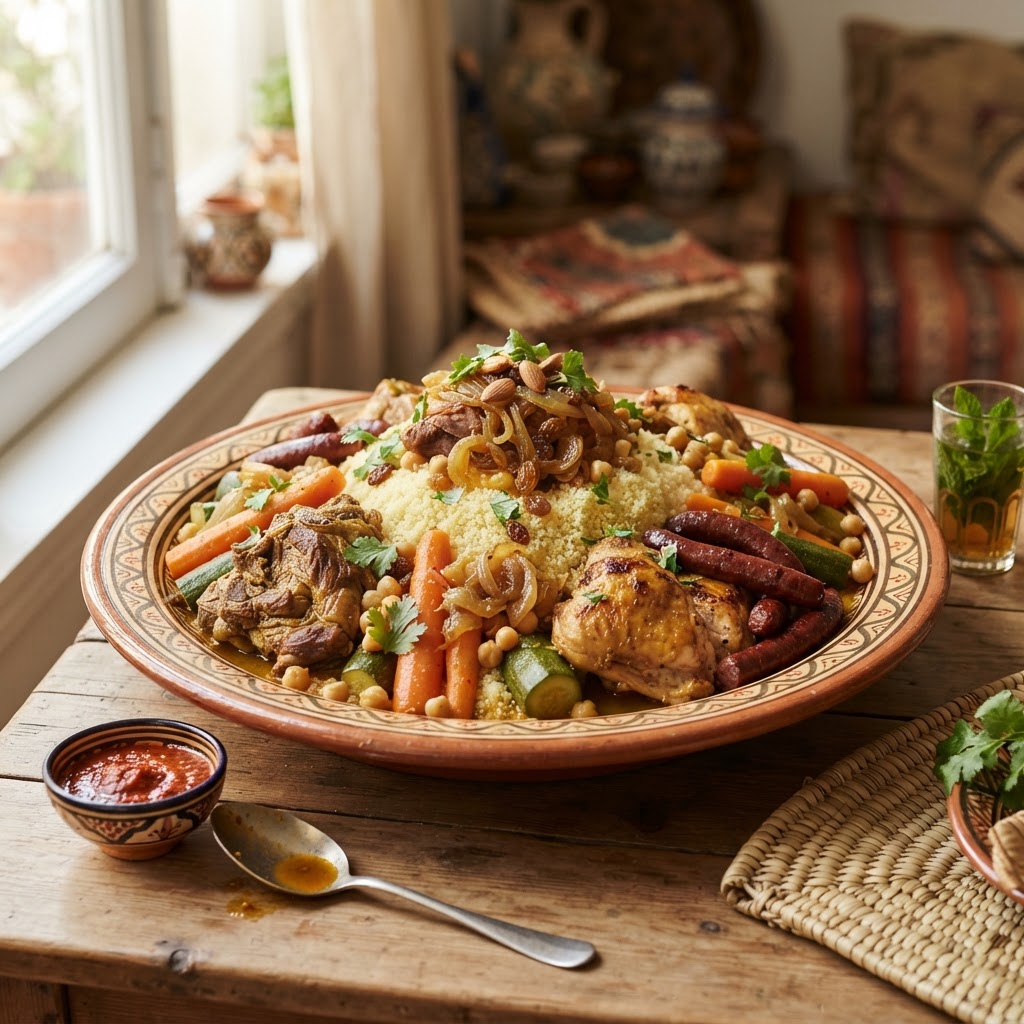
Couscous Royale: North Africa's Grand Platter of Lamb, Chicken, and Merguez
October 14, 2026

Seattle Cream Cheese Dog Bites: Hadley Long's 1989 Pioneer Square Invention
October 14, 2026
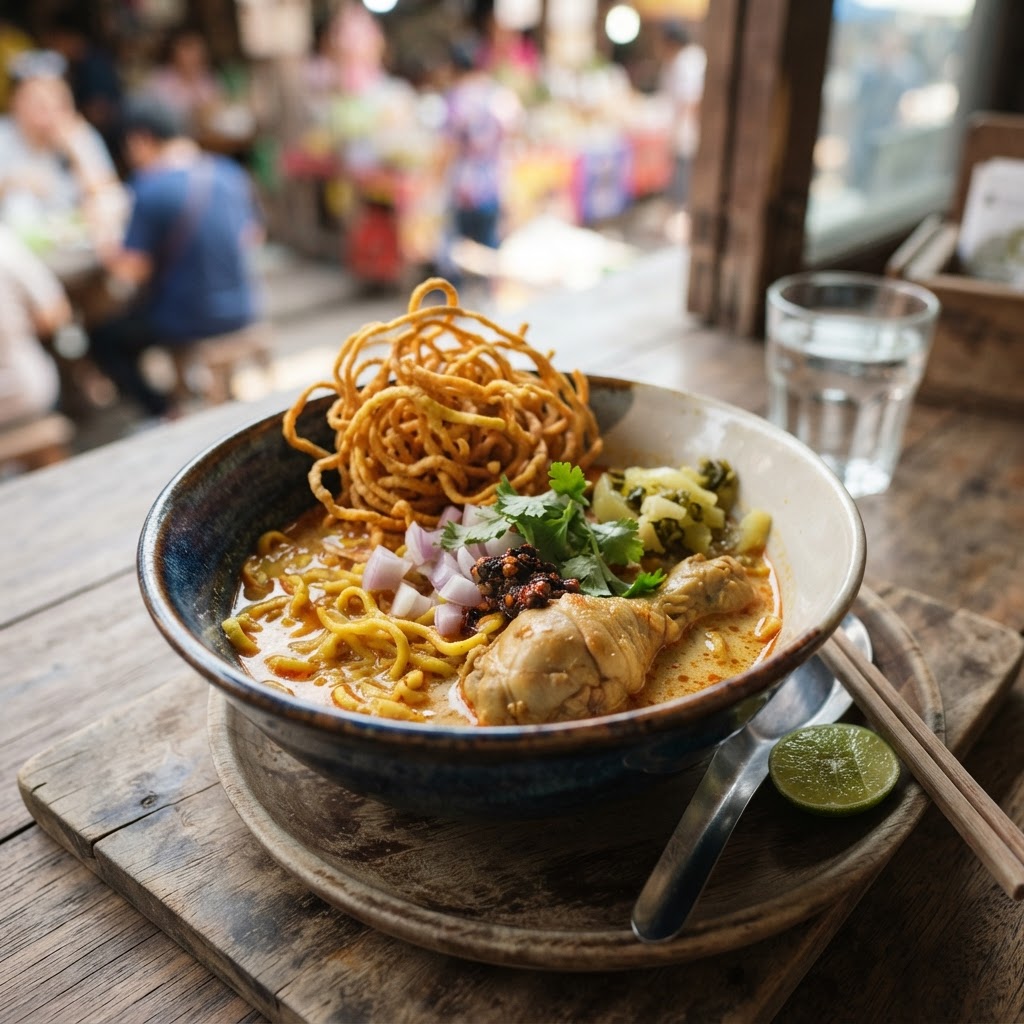
Khao Soi: Chiang Mai's Northern Thai Coconut Curry Noodles
October 13, 2026
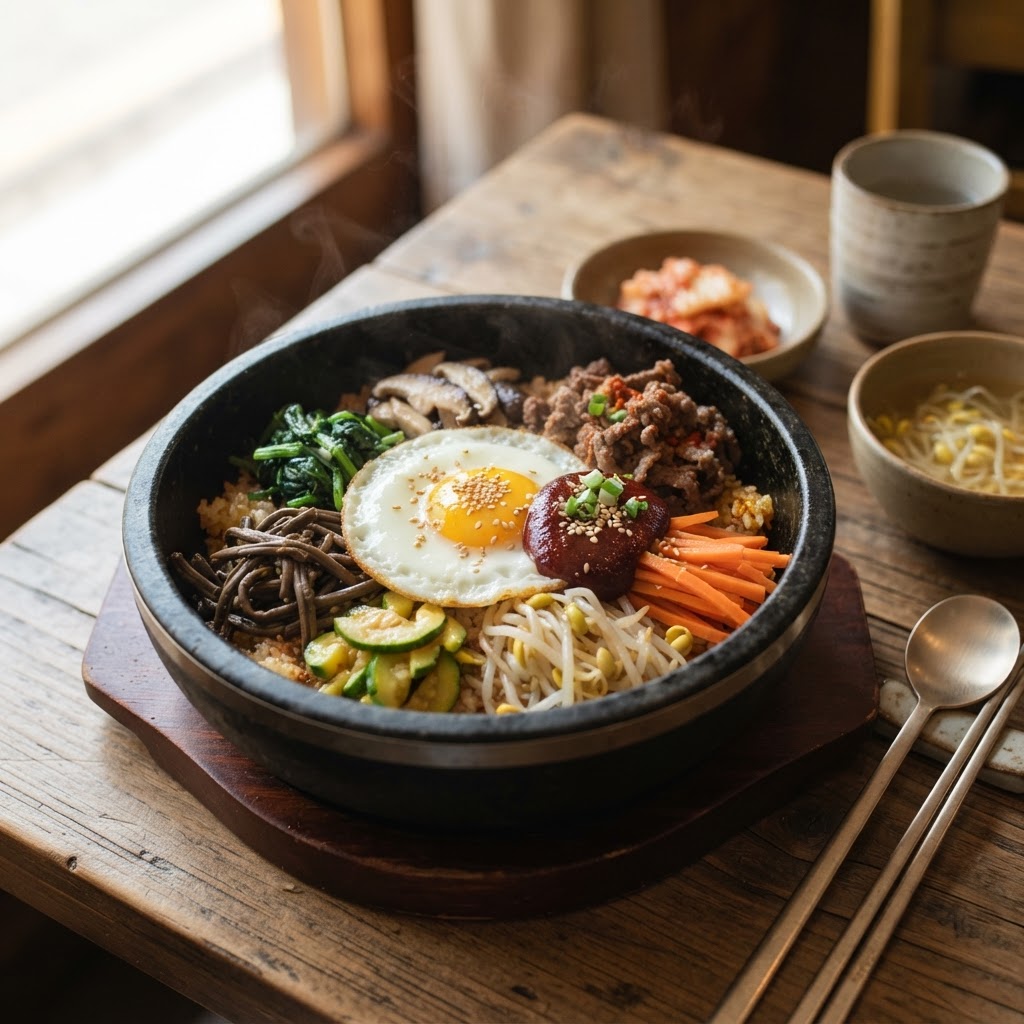
Korean Bibimbap: Jeonju's Joseon Dynasty Mixed Rice
October 11, 2026
Spaghetti alla Carbonara: Rome's World War II Pasta of Eggs, Guanciale, and Pecorino
October 9, 2026