Crema Catalana: Spain's Ancient Custard with the Burnt Sugar Crown
August 25, 2026
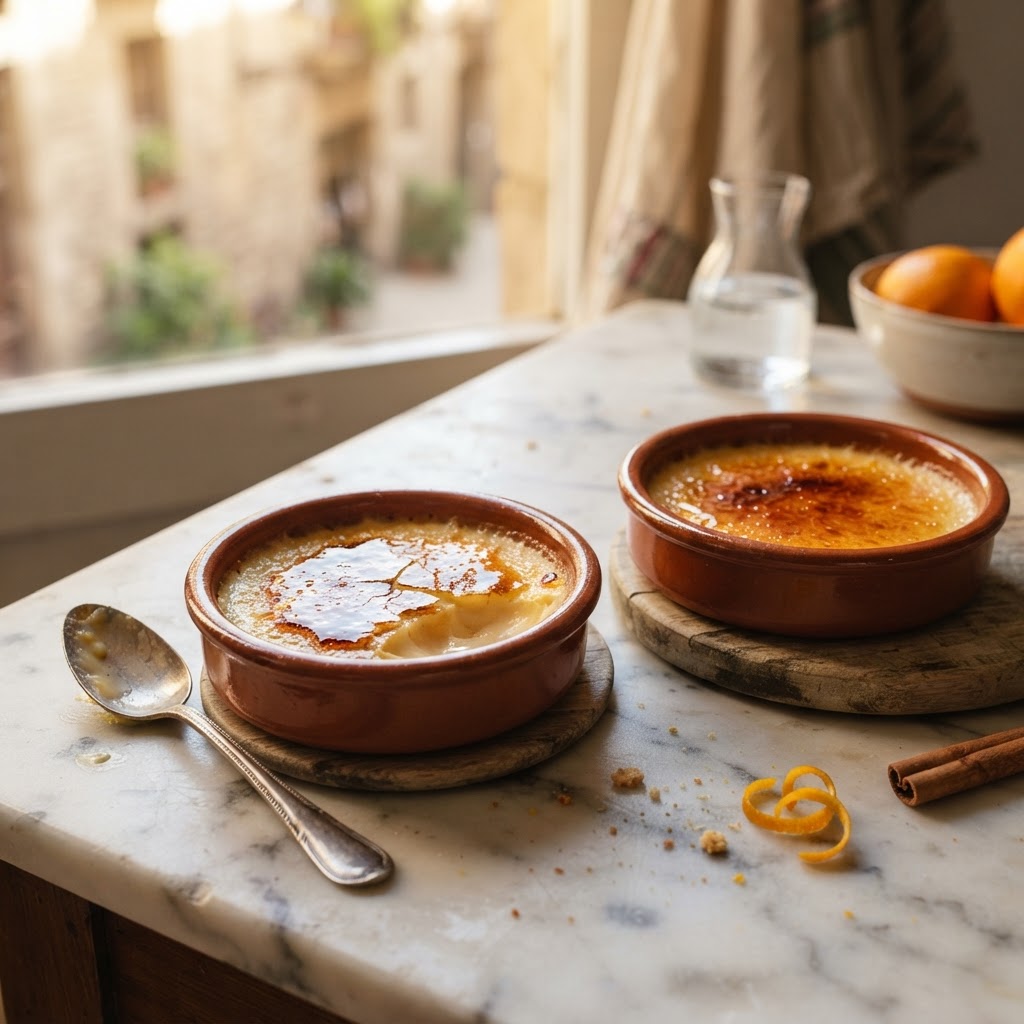
Crema catalana is Catalonia's great custard — a shallow earthenware cazuela of silky, cinnamon-and-citrus-infused cream under a thin, glassy sheet of burnt caramelized sugar, cracked with the back of a spoon at the table. It is one of Europe's oldest desserts. According to Wikipedia, the recipe was first referred to as crema catalana in 18th-century Spanish cookery, and the burnt sugar topping is first documented in 1770. The custard is traditionally made for Sant Josep — Saint Joseph's Day, March 19 — which is why it is also called crema de Sant Josep, a fixture of the Catalan father's-day table. The Daring Gourmet notes its signature infusion of orange, lemon, and cinnamon, and La Pâtisserie du Monde traces its 18th-century reputation across Catalonia's kitchens.
Its French cousin crème brûlée gets the fame, but the Catalan version is its own dessert: milk-based rather than cream-based, perfumed with cinnamon and zest instead of vanilla, thickened with a little cornstarch so it cooks on the stovetop rather than in a water bath, and served in wide, shallow ramekins so every spoonful carries both crema and caramel.
About the Ingredients
Milk — whole milk, not cream; the Catalan custard is lighter than its French cousin and lets the citrus lead.
Cinnamon stick, lemon and orange zest — the aromatic trinity, steeped in the warm milk; vanilla is the wrong perfume here.
Egg yolks and cornstarch — yolks for richness, cornstarch for the stovetop set.
Sugar crust — a thin, even layer of sugar, caramelized at the last minute with a hot iron or torch.
Ingredients (serves 6): - 2 cups whole milk - 1 cinnamon stick - Strips of zest from 1/2 lemon and 1/2 orange (peeled in wide strips, no pith) - 5 large egg yolks - 1/2 cup sugar, plus 6 tbsp for the crust - 2 tbsp cornstarch - Pinch of salt
Instructions: Warm the milk with the cinnamon stick and citrus zests until steaming, then cover and steep 15 minutes. Whisk the yolks with the 1/2 cup sugar, cornstarch, and salt until pale. Strain the infused milk into the yolks, whisking, then return everything to the pan and cook over medium-low heat, stirring constantly, until the custard thickens enough to coat the spoon, 5–7 minutes — do not let it boil. Pour into six shallow ceramic ramekins, cool, and chill at least 3 hours. Just before serving, sprinkle each with 1 tbsp sugar and caramelize with a kitchen torch or a screaming-hot salamander (a pan bottom works), until the sugar is deep amber and glassy. Serve immediately, spoon upright, and crack with gusto.
The Mimosa Pairing Logic: The custard's citrus perfume makes this the easiest pairing of the batch. An Amalfi lemon mimosa picks up the lemon zest and runs with it, sunshine on sunshine. For the full Iberian table, the House Mimosa: Cava, Blood Orange & Aperol is a Catalan's delight — Spanish cava beside a Catalan classic, with a bittersweet edge that plays beautifully against the burnt sugar.
Reference Links: - Crema catalana (18th century, burnt sugar documented 1770): Wikipedia - Crema Catalana (Catalan Cream): The Daring Gourmet - The history of Crema Catalana: La Pâtisserie du Monde
Make-Ahead: The custards keep covered in the refrigerator up to 2 days; the sugar crust is a last-minute affair, applied and torched only when the glasses are on the table. A crust made in advance dissolves into the custard overnight.
Pro Tips: Steep, don't simmer — the flavor lives in a gentle 15-minute infusion. Use shallow ramekins: more surface means more caramel in every bite, the whole point of the Catalan shape. Caramelize the sugar in two thin layers for a deeper glass without burning. Crack at the table — the sound is half the dessert.
Rate this recipe
Be the first to rate this recipe
to submit your rating.
Perfect Mimosa Pairings
Mimosas that pair perfectly with this dish
Recent Posts
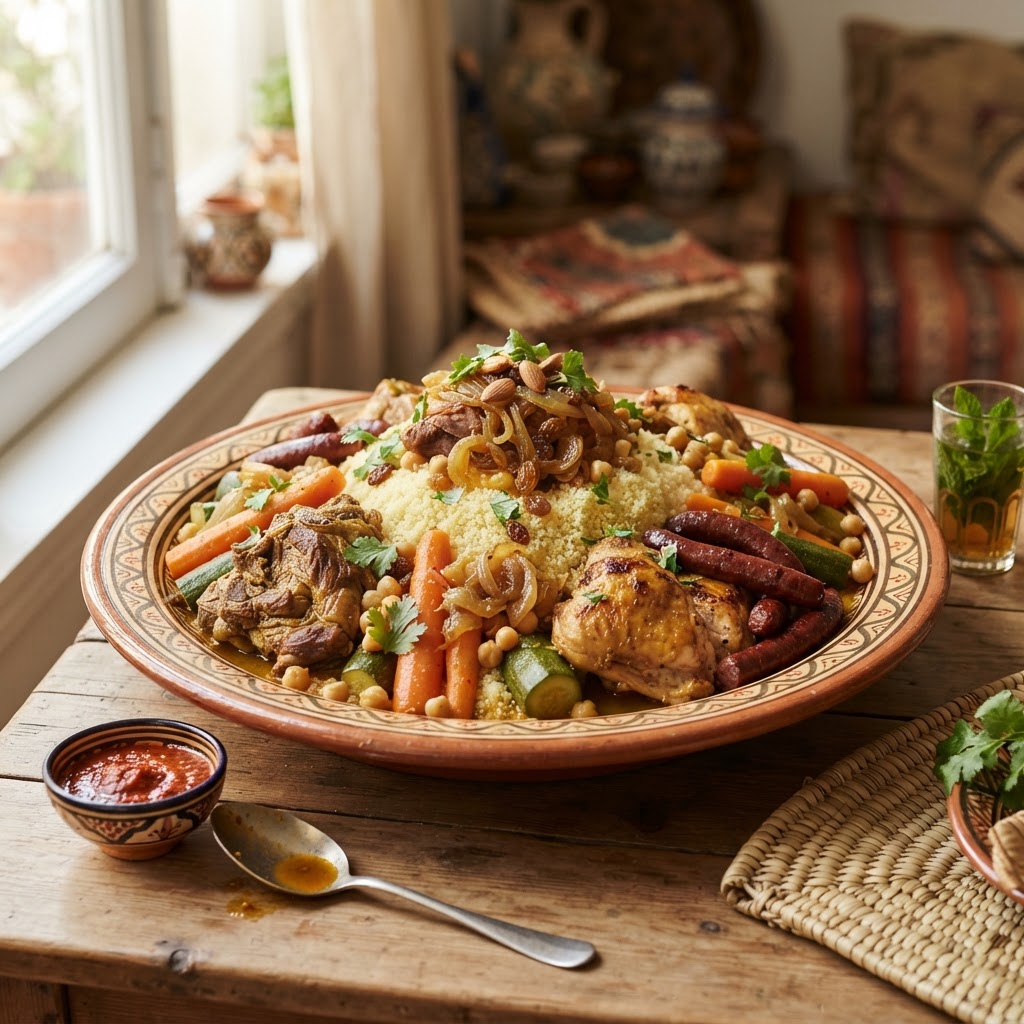
Couscous Royale: North Africa's Grand Platter of Lamb, Chicken, and Merguez
October 14, 2026
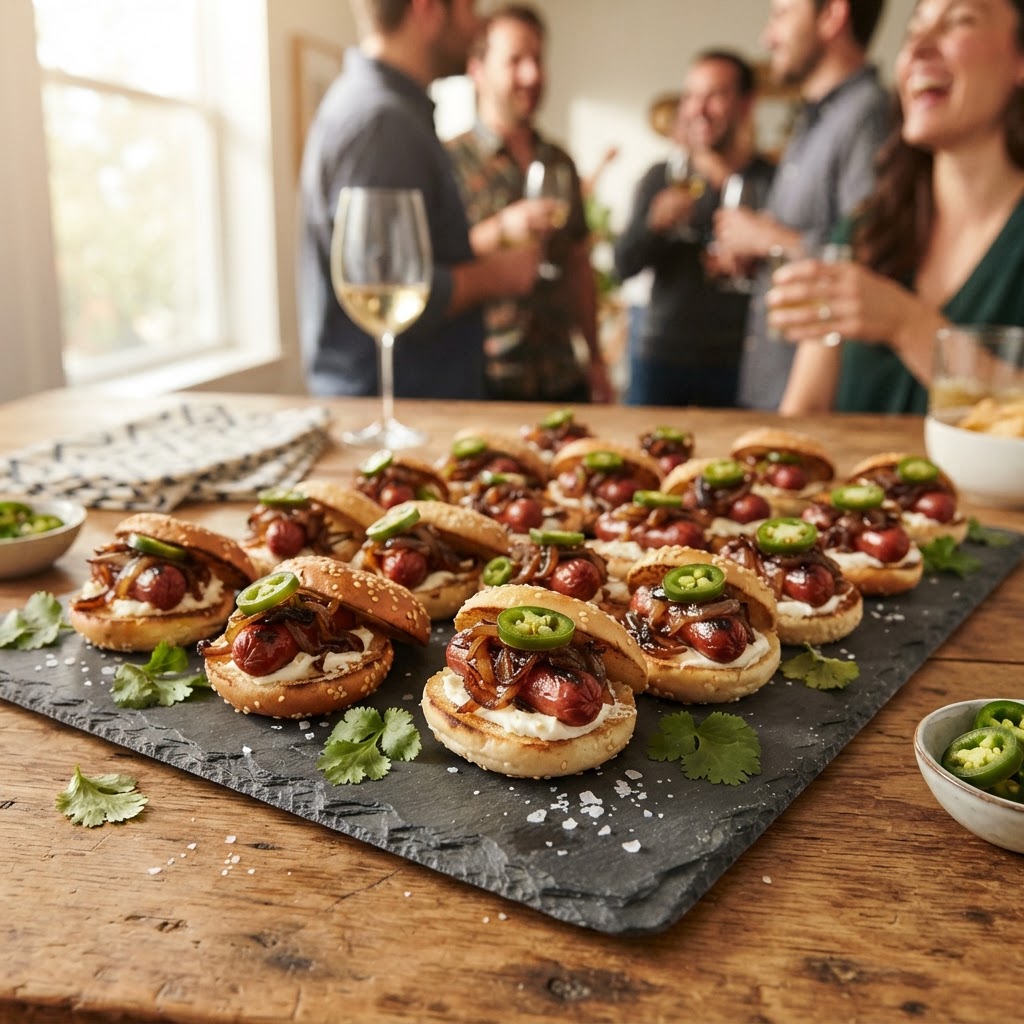
Seattle Cream Cheese Dog Bites: Hadley Long's 1989 Pioneer Square Invention
October 14, 2026
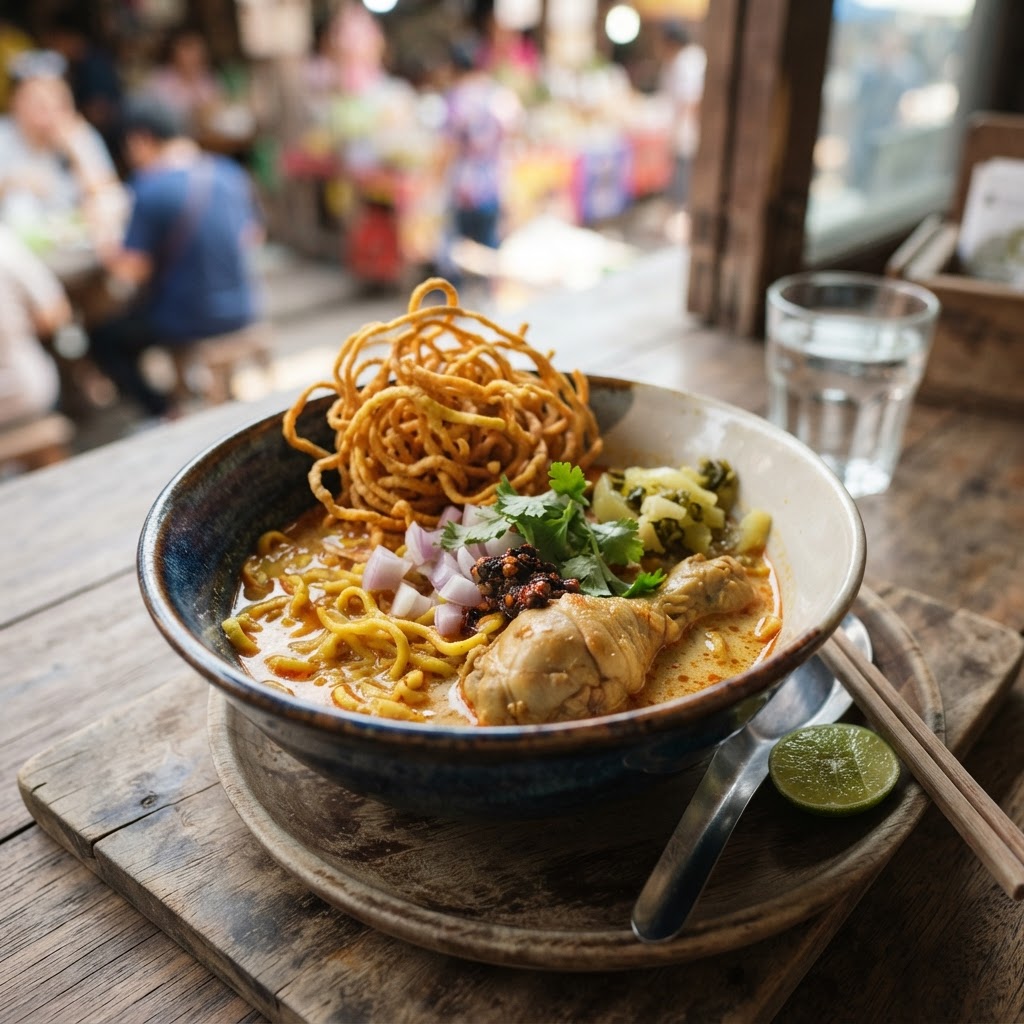
Khao Soi: Chiang Mai's Northern Thai Coconut Curry Noodles
October 13, 2026
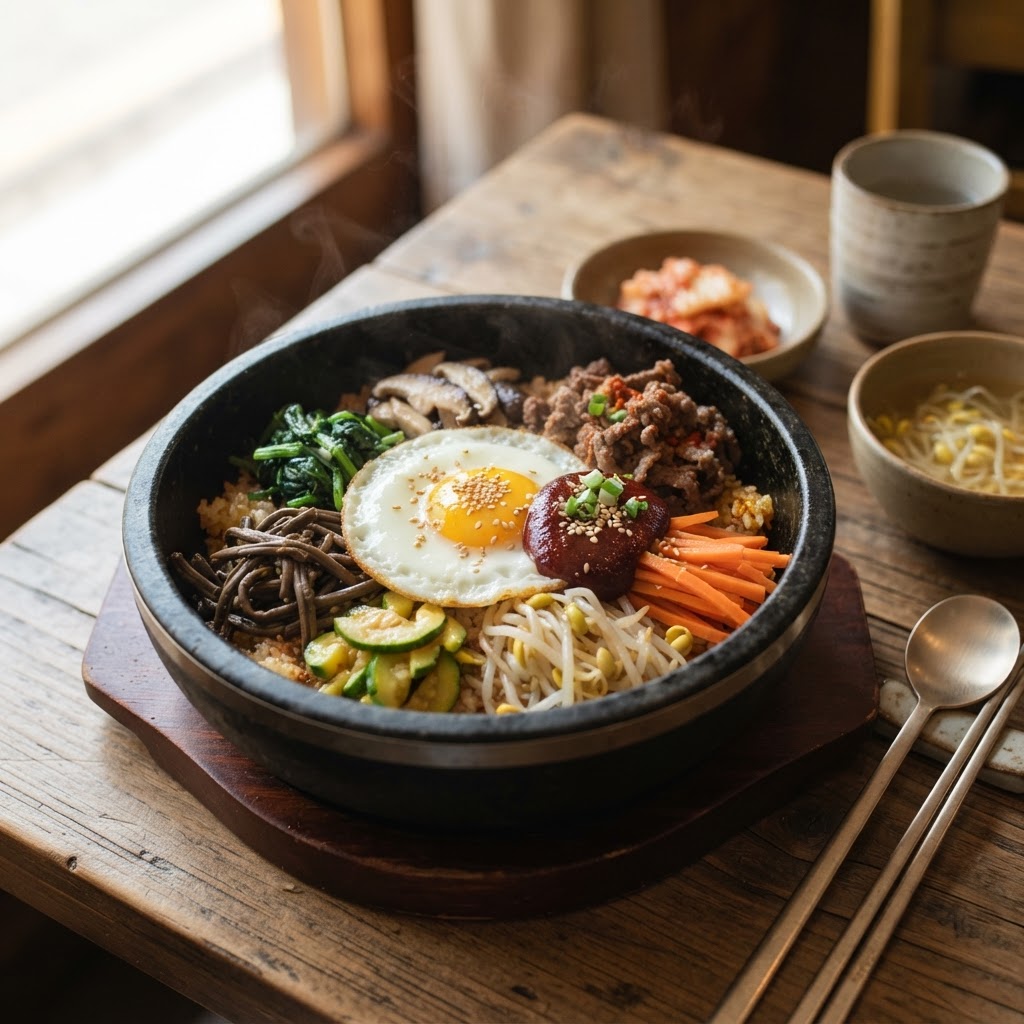
Korean Bibimbap: Jeonju's Joseon Dynasty Mixed Rice
October 11, 2026
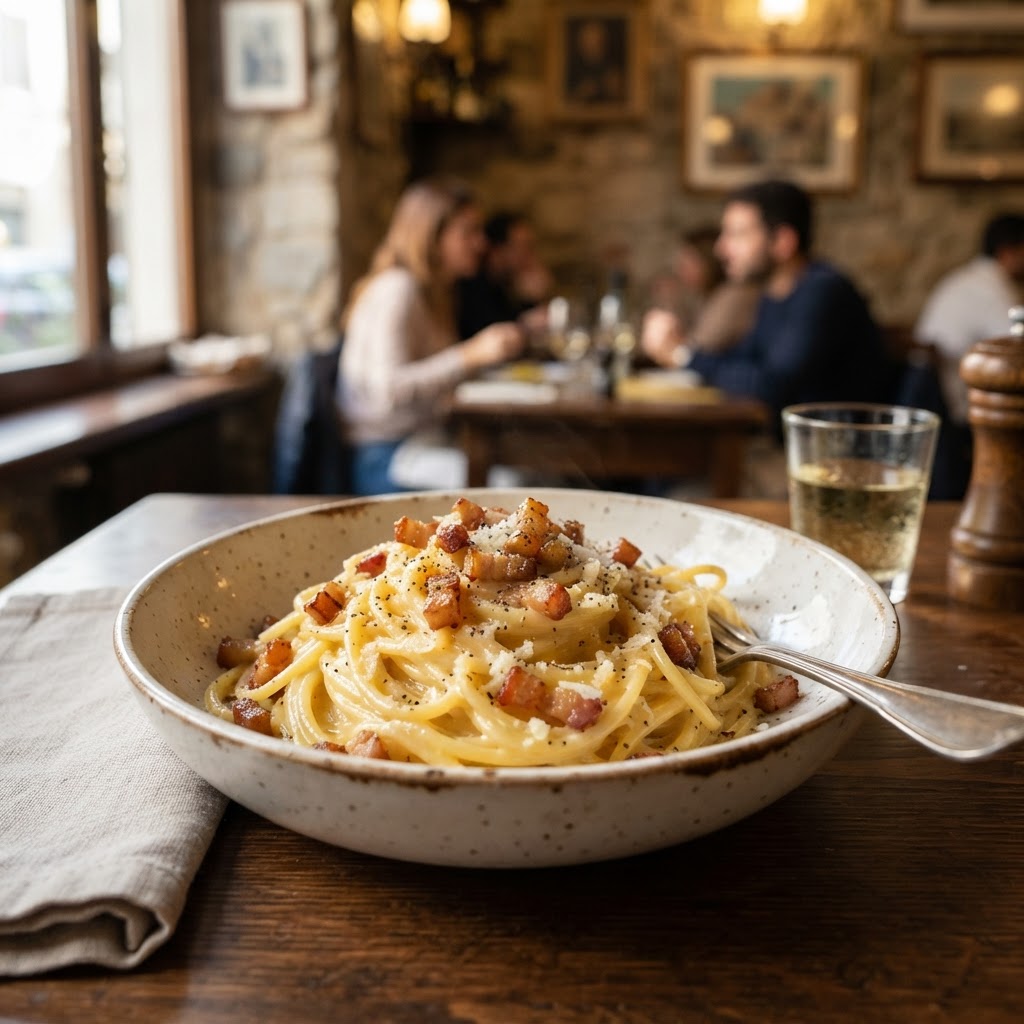
Spaghetti alla Carbonara: Rome's World War II Pasta of Eggs, Guanciale, and Pecorino
October 9, 2026