Ful Medames: The Ancient Egyptian Fava Bean Breakfast of the Pharaohs
May 1, 2026
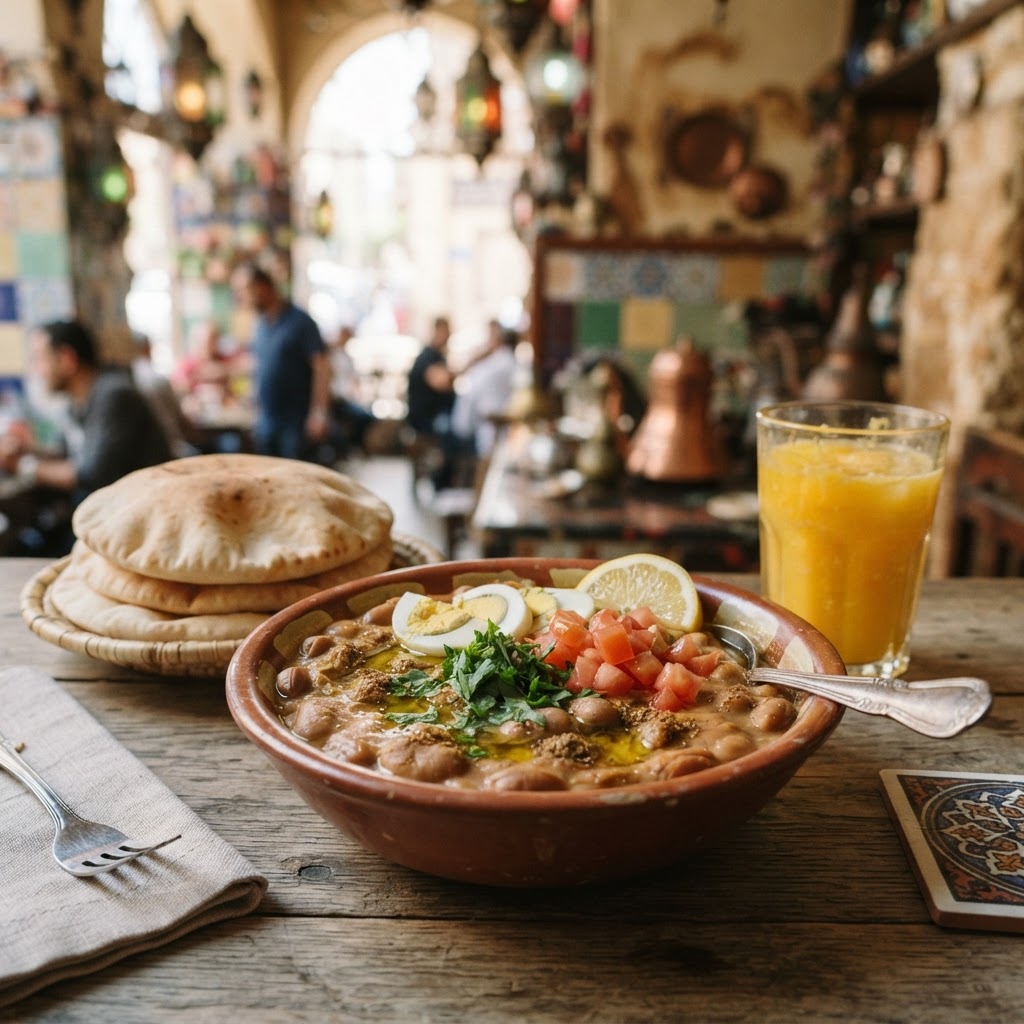
Ful medames — often simply called "ful" — is Egypt's national dish and one of the oldest prepared foods in the world. A stew of slowly cooked fava beans, seasoned with olive oil, lemon juice, garlic, and cumin, and served with warm pita bread, ful medames has been nourishing Egyptians for thousands of years — quite possibly since the time of the pharaohs. It's a dish of remarkable simplicity and profound history.
The origins of ful medames trace back to ancient Egypt. The word "medames" is Coptic (the language of ancient Egypt), meaning "buried," referring to the traditional cooking method: the fava beans were placed in a large pot, buried in the embers of a fire overnight, and left to cook slowly until morning. This slow, overnight cooking was essential because dried fava beans are very hard and require many hours of cooking to become tender. Remnants of ful medames — cooked fava beans — have been found in 12th Dynasty Pharaonic tombs (circa 1991–1786 BCE), providing archaeological evidence that the dish has been part of Egyptian cuisine for nearly 4,000 years. Some historians date ful medames even earlier, to around 2500 BCE, during the time of the pyramid builders.
Throughout Egyptian history, ful medames has been the food of the common people — a humble, inexpensive, and deeply nourishing dish made from Egypt's most abundant crop. Fava beans were one of the first cultivated crops in the world, and they have been grown in Egypt since the time of the pharaohs. The dish spread from Egypt throughout the Middle East and North Africa, and today it's a staple breakfast in Egypt, Sudan, Lebanon, Syria, Jordan, Ethiopia, Somalia, and other countries across the region. In Egypt, ful medames is traditionally sold from street carts by "fuliyas" — vendors who cook the beans in large pots overnight and serve them to early-morning customers in small bowls, garnished with olive oil, lemon, salt, cumin, and garlic.
A proper ful medames is defined by the texture of the beans and the quality of the garnishes. The beans should be soft but not completely mashed — some versions are left whole, while others are partially mashed. The key seasonings are olive oil (generously drizzled on top), lemon juice (for brightness), garlic (for pungency), and cumin (for warmth and earthiness). The dish is traditionally served with warm pita bread for scooping, and it's often accompanied by hard-boiled eggs, sliced tomatoes and onions, fresh parsley, and pickled vegetables.
Ful medames is traditionally a breakfast dish, but it's eaten at any time of day in Egypt — it's a versatile, satisfying meal that's as appropriate at 6 AM as it is at midnight. It's also one of the most naturally vegan and protein-rich dishes in the world, which has contributed to its growing popularity internationally.
Our Mimosavated version uses canned fava beans for convenience (with instructions for dried beans if you have time), and serves the ful with all the traditional garnishes and warm pita bread.
Ingredients (serves 4):
The Ful Medames: - 2 cans (14 ⅛ oz each) fava beans (broad beans), drained and rinsed (or 8 ⅞ oz dried fava beans — see note) - 2 tablespoons olive oil (plus extra for drizzling) - 3 cloves garlic, minced - 1 teaspoon ground cumin (plus extra for sprinkling) - 1 tablespoon lemon juice (fresh, plus extra for serving) - ½ teaspoon salt (or to taste) - ½ cup water or vegetable broth - A pinch of red pepper flakes (optional)
The Garnishes: - 4 pita breads, warmed - 4 hard-boiled eggs, halved or quartered - 2 tomatoes, diced - 1 small red onion, finely diced - 1 bunch fresh parsley, chopped - Extra virgin olive oil (for drizzling) - Lemon wedges - Pickled vegetables (turnips or cucumbers) - 1 teaspoon ground cumin (for sprinkling) - Hot sauce (optional) - 3 ½ oz feta cheese, crumbled (optional — not traditional but delicious)
Making the Ful (Using Canned Beans): In a saucepan, heat the olive oil over medium heat. Add the minced garlic and cook for 1 minute, until fragrant but not browned. Add the drained fava beans, cumin, salt, red pepper flakes (if using), and the water or broth. Bring to a simmer and cook for 10–15 minutes, stirring occasionally and gently mashing some of the beans with the back of a spoon — you want a mixture that's partly smooth, partly chunky, with some whole beans remaining. Add more water if the mixture becomes too thick. Stir in the lemon juice. Taste and adjust the salt, lemon, and cumin.
*(Note on dried beans: If using dried fava beans, soak them overnight in plenty of water. Drain, then cook in fresh water (about 1 qt) with a sliced onion and a garlic clove, simmering gently for 2–3 hours until very tender. Add water as needed. Then proceed with the recipe above, starting with the garlic and olive oil step.)*
Serving: Spoon the ful into individual bowls. Make a small well in the center of each portion and drizzle generously with extra virgin olive oil. Sprinkle with additional cumin. Arrange the garnishes on a platter or around the bowls: the hard-boiled eggs, diced tomatoes, diced onion, chopped parsley, pickled vegetables, lemon wedges, and crumbled feta if using. Serve the warm pita bread on the side.
To eat, tear off a piece of pita, scoop up the ful and your chosen garnishes, and enjoy. The combination of the earthy, creamy beans, the bright lemon, the fragrant cumin, the rich olive oil, and the fresh vegetables is one of the great breakfast experiences.
The Mimosa Pairing Logic: Ful medames is earthy, savory, and bright with lemon. The ideal mimosa pairing is a classic Prosecco mimosa — orange juice and Prosecco. The bright citrus echoes the lemon in the dish and provides a refreshing contrast to the earthy fava beans, while the Prosecco's effervescence cleanses the palate. A blood orange mimosa is also excellent — the deeper, slightly bitter flavor of blood orange complements the earthy, savory ful. Avoid heavy or sweet mimosas — the dish is savory and earthy, and you need something bright and acidic to balance it.
Reference Links: - Ful medames on Wikipedia (Egyptian national dish, ancient origins): Wikipedia - Ful Medames: Egyptian Fava Bean Stew (12th Dynasty tombs, ancient origins): Saffron and Herbs - Ful Medames - Egyptian Staple Beans (Pharaonic tombs): Migrationology - Ful Mudammas (Egyptian Fava Beans) recipe (ancient origins): The Mediterranean Dish - Ful Medames (Egyptian Breakfast Fava Beans With Tahini): Serious Eats
Make-Ahead: The ful can be made up to 3 days ahead and refrigerated — the flavor actually improves overnight. Reheat gently with a splash of water. The garnishes should be prepared fresh, just before serving. If making from dried beans, the cooked beans can be refrigerated for up to 5 days or frozen for up to 3 months. Ful medames reheats beautifully and is often better the next day. Do not freeze the assembled dish with garnishes — prepare fresh garnishes when serving.
Pro Tips: Use canned fava beans for convenience — they're perfectly acceptable and save hours of cooking. If you have time, dried beans give a deeper, earthier flavor, but the difference is subtle once the beans are seasoned. Don't overcook the garlic — browned garlic is bitter and will ruin the dish. Cook it just until fragrant, about 1 minute. Mash the beans partially — you want a rustic texture with some whole beans and some mashed; a completely smooth purée is not traditional. Use good extra virgin olive oil for drizzling — the olive oil is a key flavor in the dish, and since it's added raw at the end, its quality matters. Don't skimp on the cumin — cumin is the defining spice of ful medames, and it should be present in every bite. Don't skip the lemon — the acidity is essential; it brightens the earthy beans and ties the dish together. Serve with warm pita — the bread is not optional, it's the utensil; you scoop up the ful and garnishes with it, and that's the traditional and most satisfying way to eat. Let everyone customize their garnishes — the joy of ful medames is in the personalization, and everyone has their favorite combination of toppings.
Rate this recipe
Be the first to rate this recipe
to submit your rating.
Recent Posts
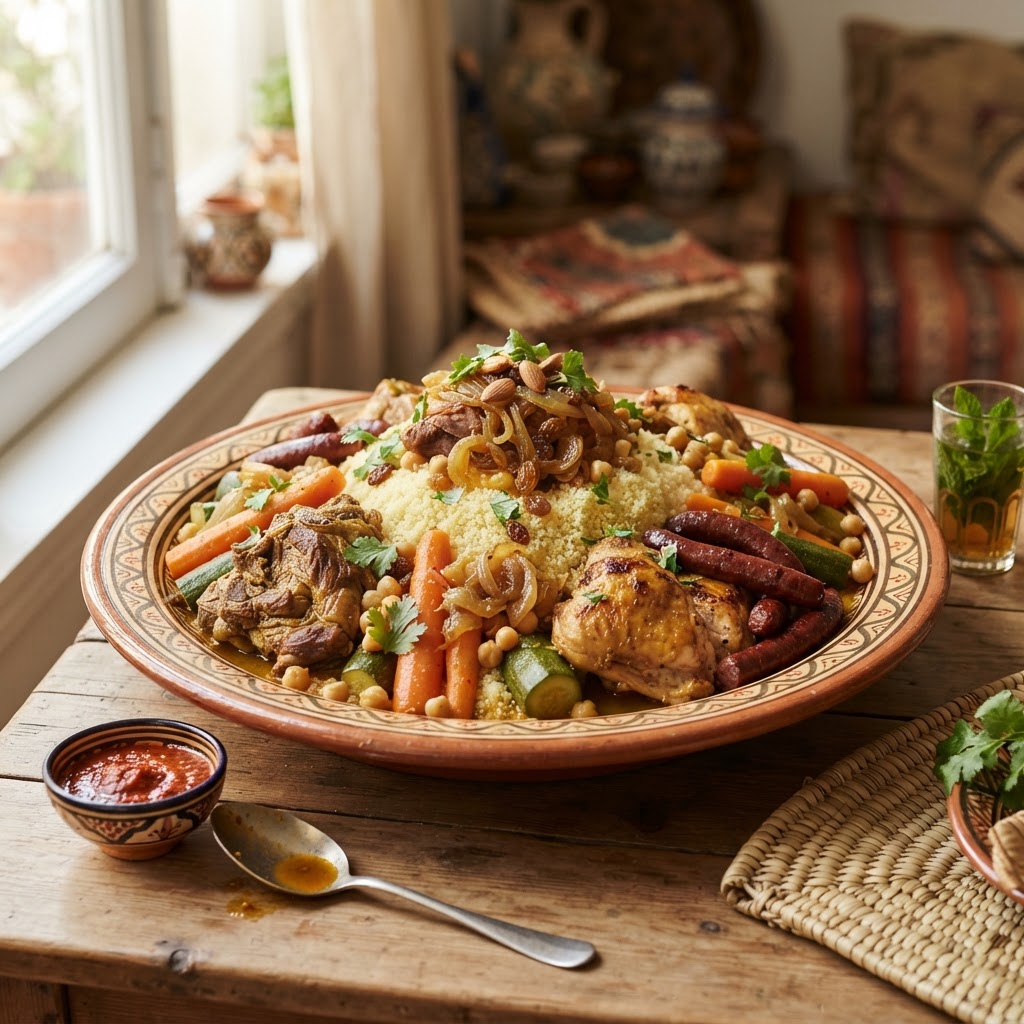
Couscous Royale: North Africa's Grand Platter of Lamb, Chicken, and Merguez
October 14, 2026
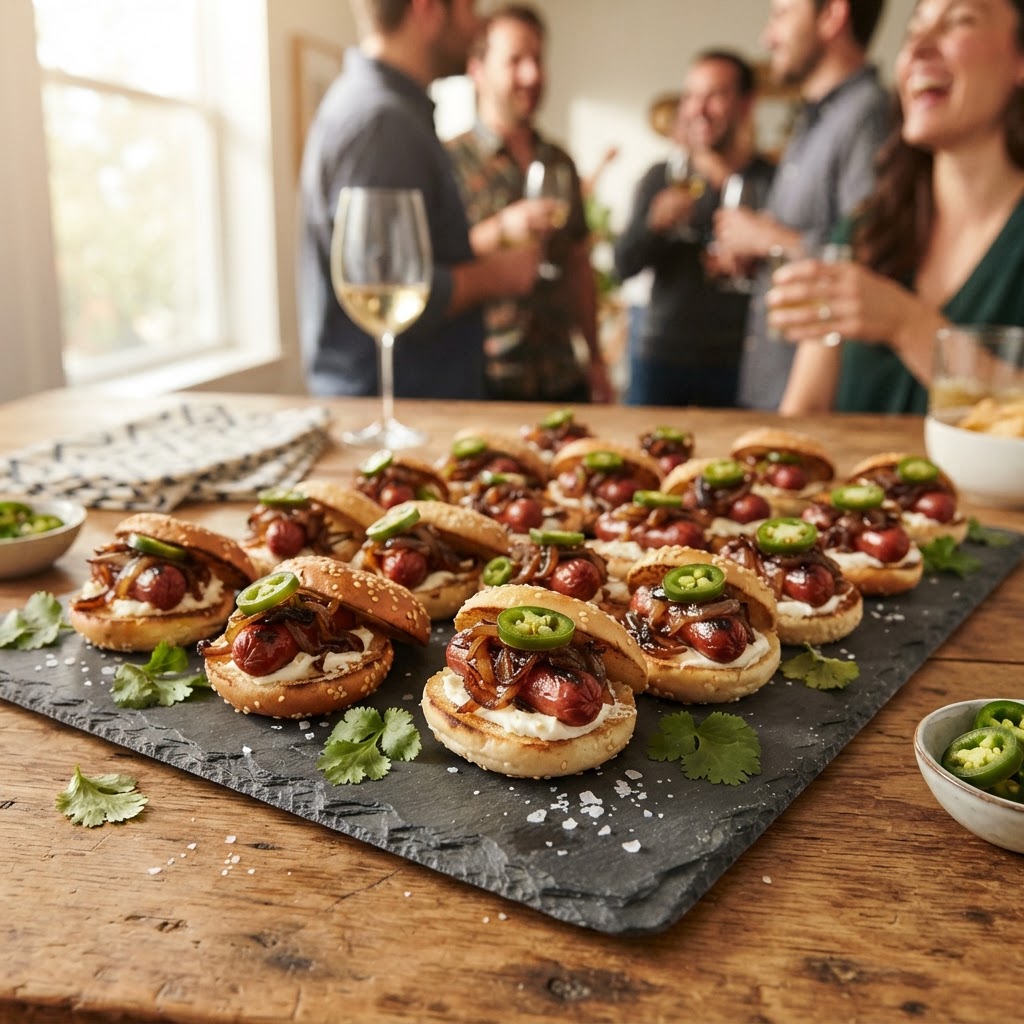
Seattle Cream Cheese Dog Bites: Hadley Long's 1989 Pioneer Square Invention
October 14, 2026
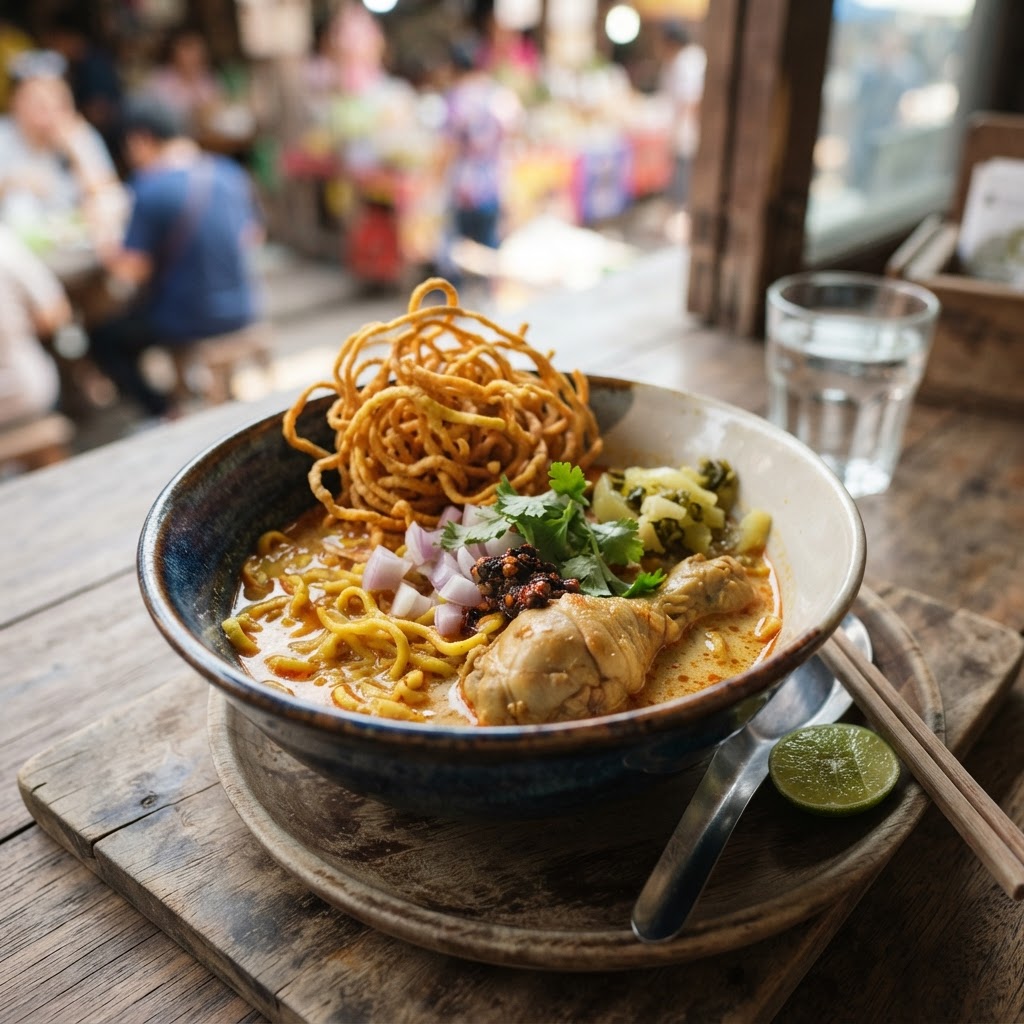
Khao Soi: Chiang Mai's Northern Thai Coconut Curry Noodles
October 13, 2026
Korean Bibimbap: Jeonju's Joseon Dynasty Mixed Rice
October 11, 2026
Spaghetti alla Carbonara: Rome's World War II Pasta of Eggs, Guanciale, and Pecorino
October 9, 2026