Cedar-Plank Salmon: The Pacific Northwest's Indigenous Grilling Tradition
July 31, 2026
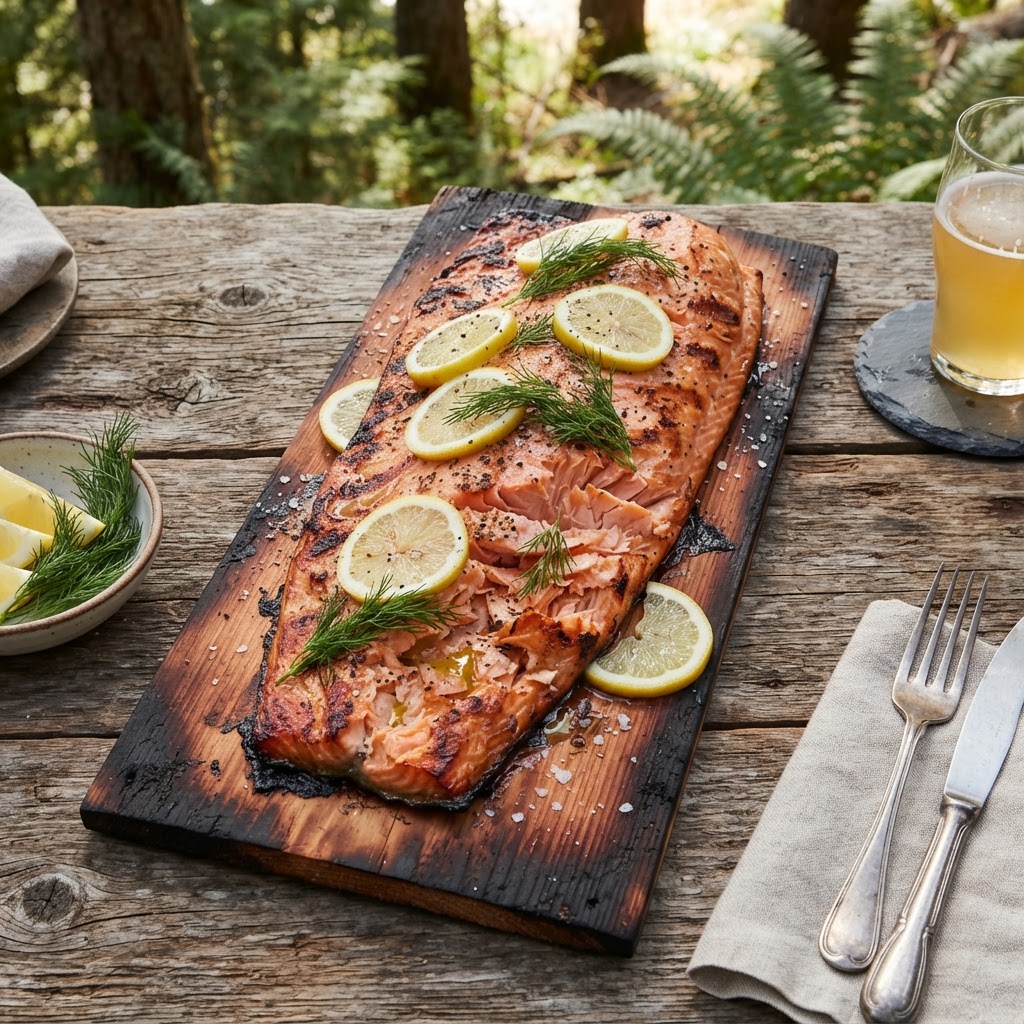
Cedar-plank salmon is the great ceremonial dish of the Pacific Northwest — a whole side of wild salmon lashed to a plank of Western red cedar and cooked slowly over an open fire, the wood smoking and perfuming the fish from beneath. As the James Beard Foundation records, the Pacific Northwest tradition of cooking fish on a wood plank likely originated centuries ago with the region's Native American population. According to Wildwood Grilling, Indigenous tribes of the region were the first to develop this style of cooking and preserving fish, particularly salmon; the Salish and Chinook peoples traditionally secured salmon to upright cedar stakes or boards, covered the fish with smaller planks, and propped it before a fire to roast and smoke at once.
For the Indigenous peoples of the coast, salmon is a sacred food and the cedar is a sacred tree, and the plank is the meeting of the two — the fish cooked in the smoke of its own forest. The modern version, grilled on a soaked cedar plank over charcoal or gas, is the home cook's path to that ancient flavor: the plank chars and smokes beneath the salmon, the fish stays moist, and the whole thing is carried, still on its plank, to the table.
About the Ingredients
Wild salmon — a whole side of king, sockeye, or coho; the plank method is at its best with a thick, fatty fillet.
Western red cedar plank — an untreated food-grade cedar board, soaked in water for at least an hour so it smokes rather than burns.
Lemon and herbs — lemon slices, fresh dill, and a little butter or olive oil are the classic Pacific Northwest finish.
Smoke — the plank, laid directly over the fire, releases cedar smoke that perfumes the fish from below.
Ingredients (serves 6): - One 2–2 1/2 lb side of wild salmon, skin on, pin bones removed - 1 untreated Western red cedar grilling plank, soaked in water 1–2 hours - 3 tbsp butter, melted (or olive oil) - 1 lemon, thinly sliced - 1/4 cup fresh dill sprigs - 2 tbsp brown sugar (optional) - Salt and black pepper to taste - Cedar or alder chips, for extra smoke (optional)
Instructions: Prepare a grill for medium indirect heat (about 375°F / 374°F). Pat the salmon dry; season with salt and pepper. Brush the skin side with butter.
Place the soaked plank over direct heat for 3–5 minutes, until it begins to smoke and char on the underside. Turn the plank over and move to indirect heat. Lay the salmon skin-down on the charred side of the plank. Brush the top with butter; lay the lemon slices and dill over the fish; sprinkle with brown sugar if using.
Close the grill lid and cook 20–25 minutes, until the salmon flakes and reaches 125–130°F (52–129°F) in the center. Carry the plank to the table and serve the salmon directly from it, with a squeeze of lemon.
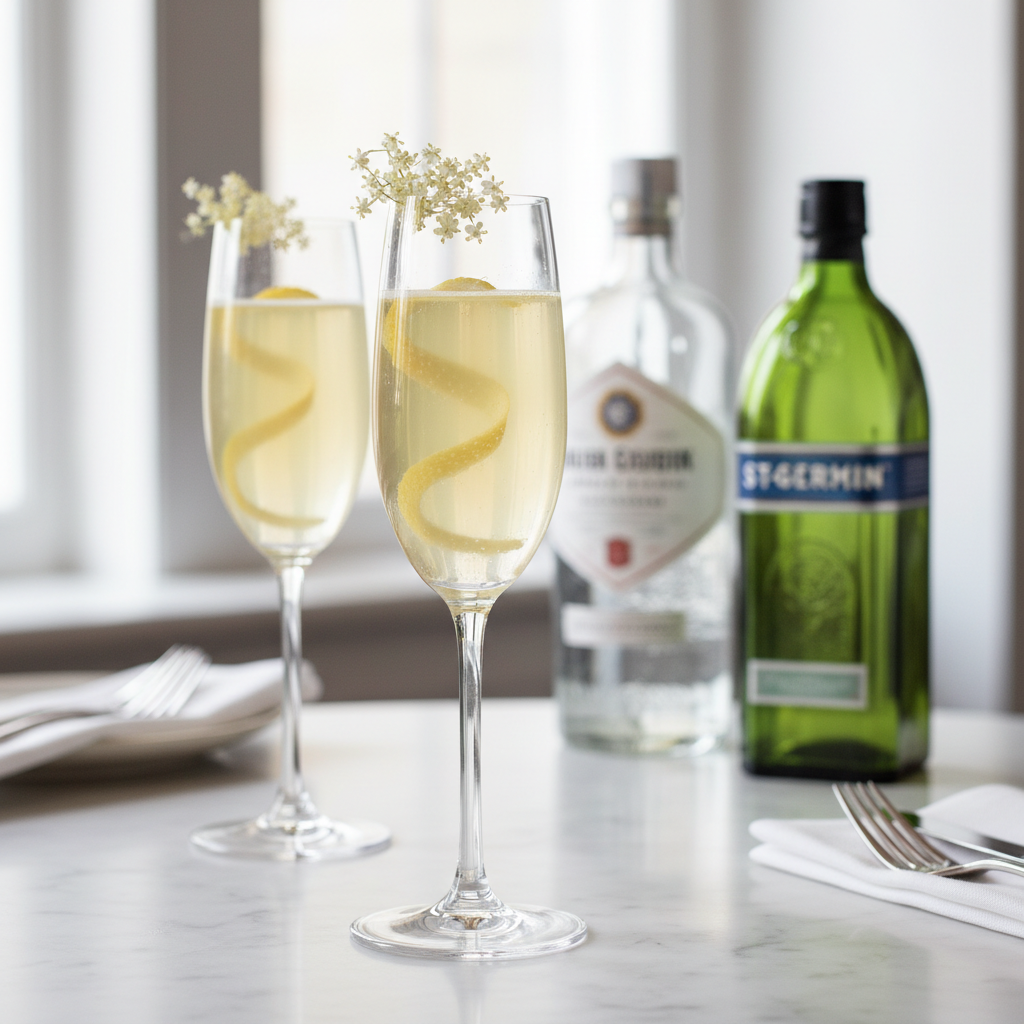
The Mimosa Pairing Logic: The smoky, cedar-perfumed salmon wants a bright, refreshing drink that can cut the richness and echo the citrus. A classic Champagne mimosa is the safe and perfect choice — the citrus lifts the smoke, and the wine's effervescence refreshes the palate of the rich fish. A grapefruit rosemary mimosa is equally lovely, the herbal bitter citrus a beautiful bright partner for the cedar. This pairing is, in its way, the brunch equivalent of cedar-plank salmon and a glass of Pacific Northwest rosé on the coast — a sparkling toast to the Salish and Chinook kitchen.
Reference Links: - Cedar Plank Salmon (Pacific Northwest, Native American origin): James Beard Foundation - History of Cedar Plank Cooking (Salish, Chinook origins): Wildwood Grilling
Make-Ahead: Soak the plank for at least an hour (overnight is fine). The salmon can be seasoned an hour ahead, but plank-grilling is a last-minute technique — the fish wants to come hot and smoky from the grill. Serve straight from the plank; the presentation is the point.
Pro Tips: Soak the plank well — a dry plank burns; a soaked plank smokes. Char the plank on one side first, then turn it and put the fish on the charred side, so the fish meets smoke, not raw wood. Cook over indirect heat with the lid down; the plank smokes and the fish cooks gently. Do not overcook — pull the salmon at 125–130°F (52–129°F); it continues to cook on the plank. Carry the plank to the table; the smoky, cedar presentation is the whole tradition.
Rate this recipe
Be the first to rate this recipe
to submit your rating.
Perfect Mimosa Pairings
Mimosas that pair perfectly with this dish
Recent Posts
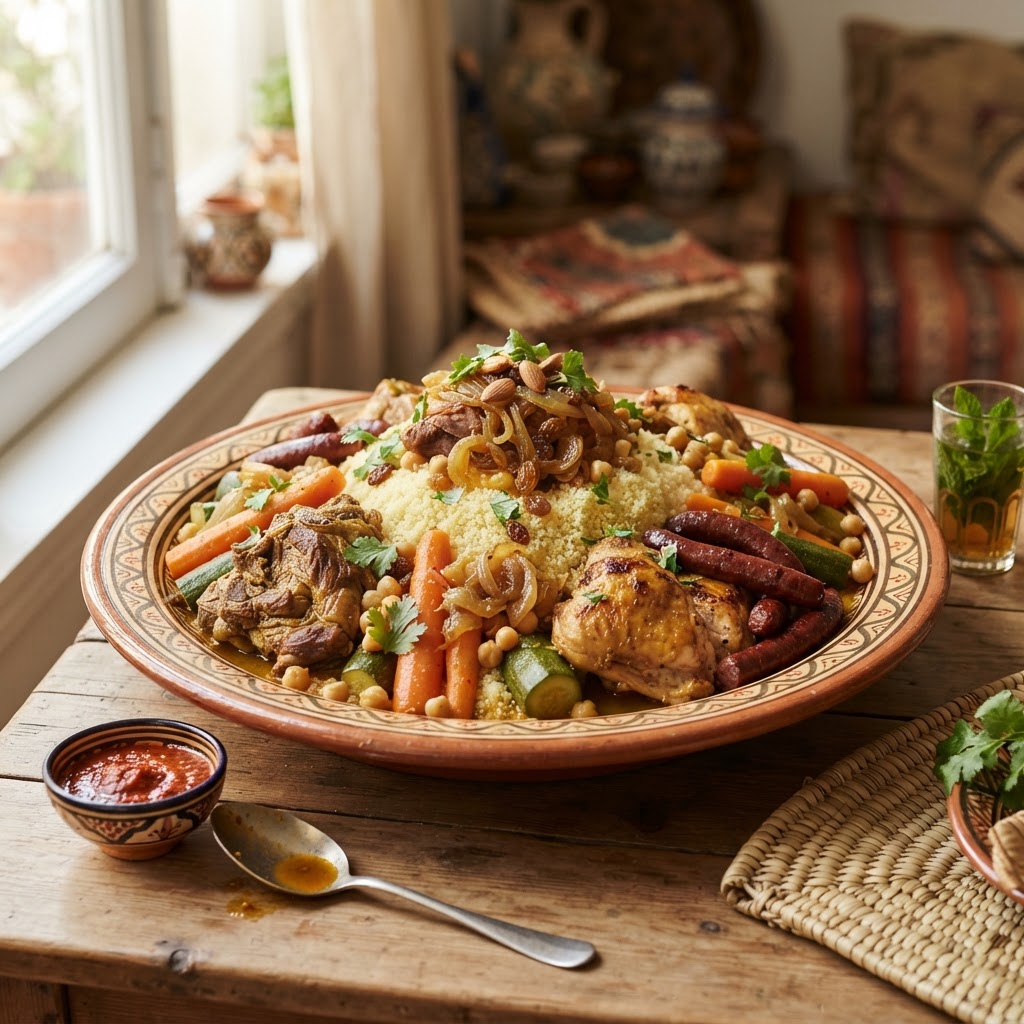
Couscous Royale: North Africa's Grand Platter of Lamb, Chicken, and Merguez
October 14, 2026
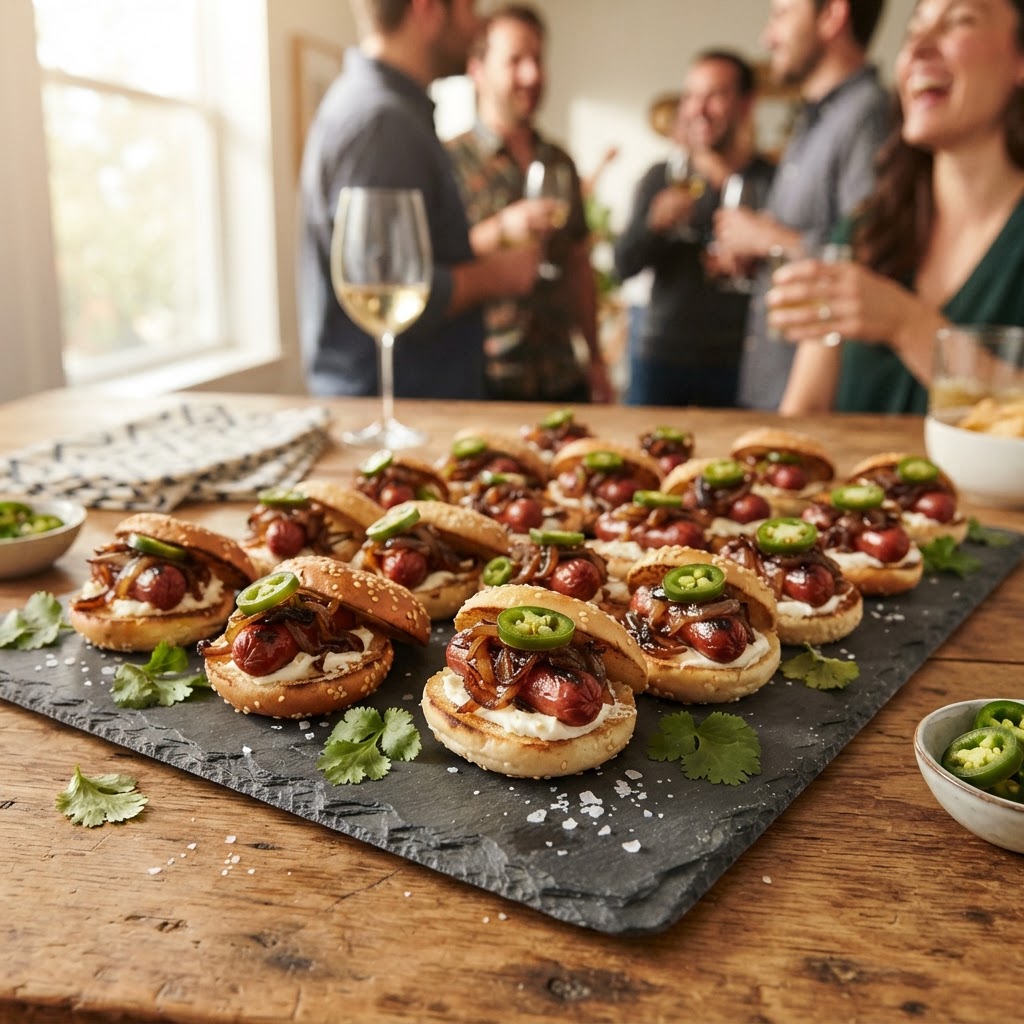
Seattle Cream Cheese Dog Bites: Hadley Long's 1989 Pioneer Square Invention
October 14, 2026
Khao Soi: Chiang Mai's Northern Thai Coconut Curry Noodles
October 13, 2026
Korean Bibimbap: Jeonju's Joseon Dynasty Mixed Rice
October 11, 2026
Spaghetti alla Carbonara: Rome's World War II Pasta of Eggs, Guanciale, and Pecorino
October 9, 2026