The Apricot Prosecco Mimosa
May 30, 2026
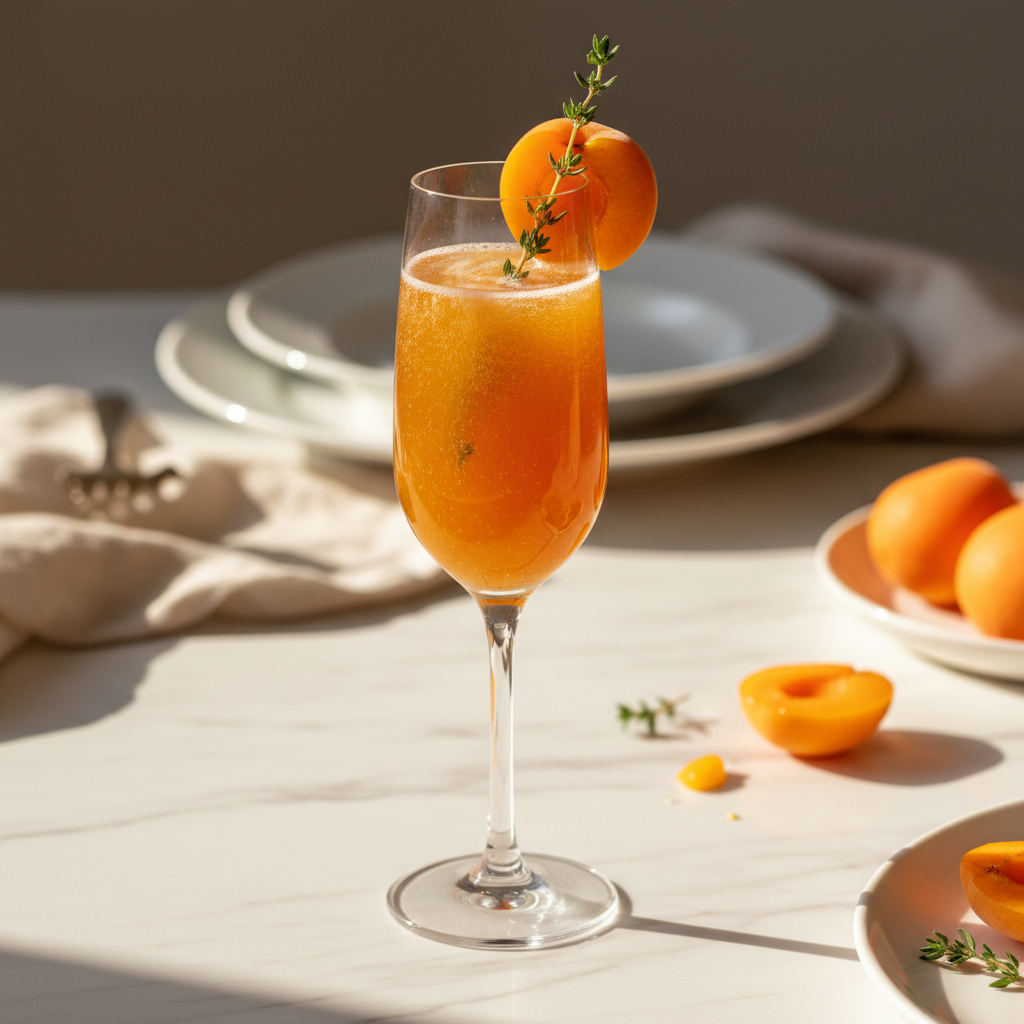
The Apricot Prosecco Mimosa is the sun-drenched Italian summer drink — apricot's golden, honey-sweet, faintly almond-scented juice meeting Italian Prosecco's clean effervescence in a champagne flute of warm amber beauty. It occupies the space between the peach Bellini (its closest relative) and an entirely new category: where the Bellini is delicate and floral, the apricot version is richer, more complex, and more assertively flavored.
About Apricots for Prosecco
The apricot (*Prunus armeniaca*) is cultivated across the Mediterranean from Spain through France, Italy, Turkey, Iran, and into Central Asia. Italian apricot cultivation is centered in Campania (particularly the Vesuvian apricots of the volcano's slopes), Emilia-Romagna, and Veneto — the home of Prosecco. The proximity of Veneto's apricot orchards to its Prosecco vineyards is not coincidental to this pairing; local Italian bartenders have been combining the two for decades.
The finest commercial apricot products for professional bar use are Boiron Apricot Purée (the professional catering standard, used by Michelin-starred restaurants globally — available through restaurant supply companies) and Fabbri Mixybar Apricot Purée. For retail, high-quality fresh apricots in season (June–August) are always preferred.
Fresh Apricot Purée: - 8 ripe apricots (about 1 lb), halved and pitted - 1 tablespoon fresh lemon juice - 1 teaspoon honey - 2 tablespoons water
Blend all ingredients until completely smooth. Pass through a fine-mesh sieve. The purée should be a vivid deep amber-gold. Press plastic wrap directly onto the surface. Refrigerate; use within 2 days. For year-round production, use Boiron or Looza apricot nectar (available at Whole Foods and specialty stores).
Ingredients (serves 6): - 1¼ cups fresh apricot purée (or Looza apricot nectar, slightly diluted) - 1 bottle (25 oz chilled Prosecco Brut DOCG (Bisol Crede, or Ruggeri Quartese — both from the finest Conegliano Valdobbiadene producers and widely available at specialty wine shops) - Fresh apricot slices and small sprigs of fresh thyme or edible flowers for garnish - Optional: ½ oz Amaretto di Saronno (Amaretto Disaronno) per serving for an almond-apricot bridge
Instructions: If using fresh purée, ensure it is completely chilled. If using Looza apricot nectar, thin with a small amount of water and add lemon juice to taste — nectar is sweeter than fresh purée.
Chill Prosecco flutes for 5 minutes. Pour 1¾ oz of apricot purée into each flute. Add Amaretto if using. Top slowly with chilled Prosecco, pouring down the side of the glass. The deep amber purée will bloom through the pale wine. Garnish with a fresh apricot slice resting on the rim and a small thyme sprig.
For a Mimosa Bar (serves 12): - 2½ cups apricot purée - 3 oz Amaretto (optional) - 2 bottles Prosecco Brut DOCG, chilled
Variations: - The Amaretto variation is the "Apricot Sour" of mimosas — the almond liqueur amplifies the natural almond-adjacent flavor of apricot kernels in a way that feels inevitable once tasted. - Replace Prosecco with Franciacorta (Italy's premium champagne-method sparkling wine from Lombardy) for an entirely Italian, fine-dining grade version. - Add a pinch of ground cinnamon to the purée for an Apricot Cinnamon Prosecco Mimosa suited to autumn entertaining.
Pairing: The apricot's rich sweetness and gentle tartness make this mimosa exceptional alongside almond pastries (financiers, frangipane tarts, amaretti cookies), ricotta-based brunch dishes, and any preparation with honey or stone fruit. The Amaretto variation is particularly exceptional alongside almond croissants and marzipan-filled pastries.
Pro Tips: Apricot purée must be strained very thoroughly — apricot skins, even when blended, create small bitter particles that detract from the drink's elegance. Press the purée firmly through a fine-mesh sieve. The purée should be completely smooth and free of any fibrous texture. Taste fresh apricots before purchasing: under-ripe apricots have negligible flavor. Look for fruit that is fully orange-gold (not green or pale yellow) and yields slightly to gentle pressure.
Rate this recipe
Be the first to rate this recipe
to submit your rating.
Recent Posts
Couscous Royale: North Africa's Grand Platter of Lamb, Chicken, and Merguez
October 14, 2026
Seattle Cream Cheese Dog Bites: Hadley Long's 1989 Pioneer Square Invention
October 14, 2026
Khao Soi: Chiang Mai's Northern Thai Coconut Curry Noodles
October 13, 2026
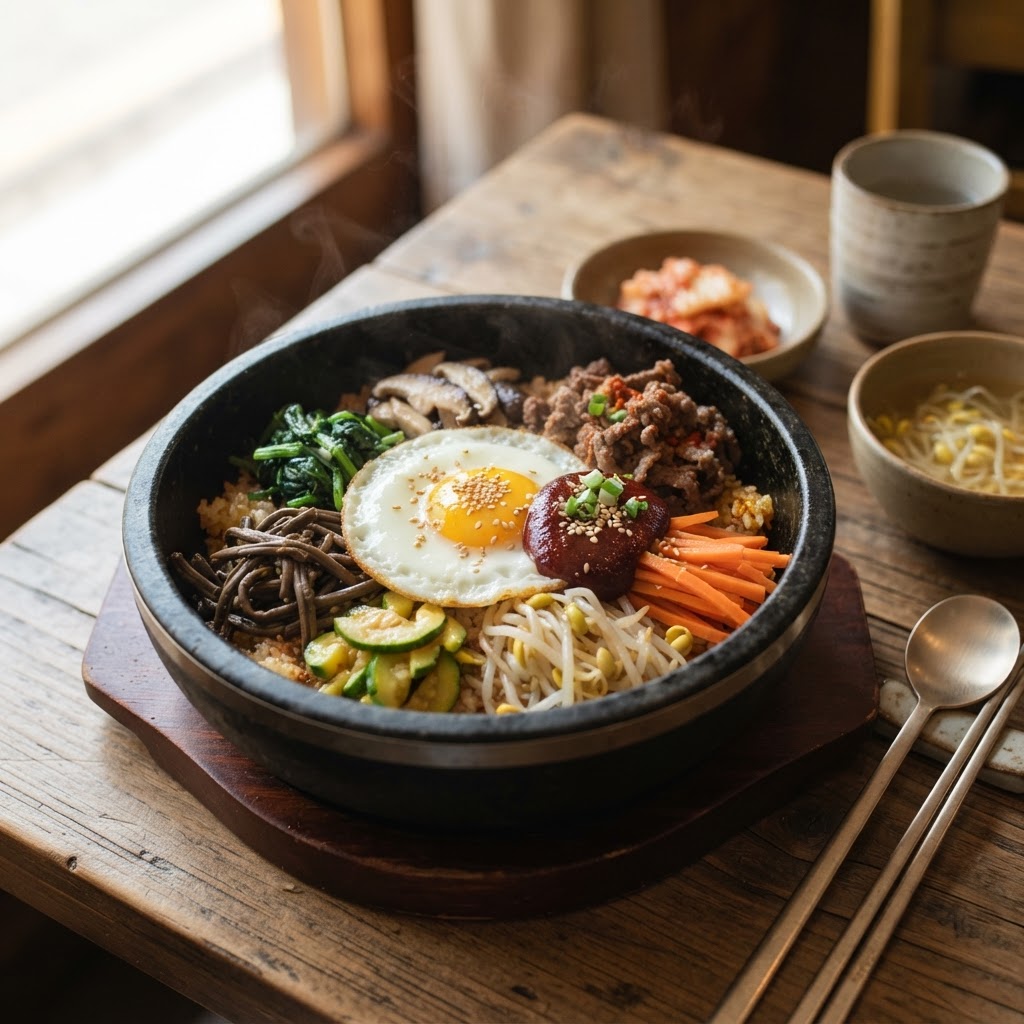
Korean Bibimbap: Jeonju's Joseon Dynasty Mixed Rice
October 11, 2026
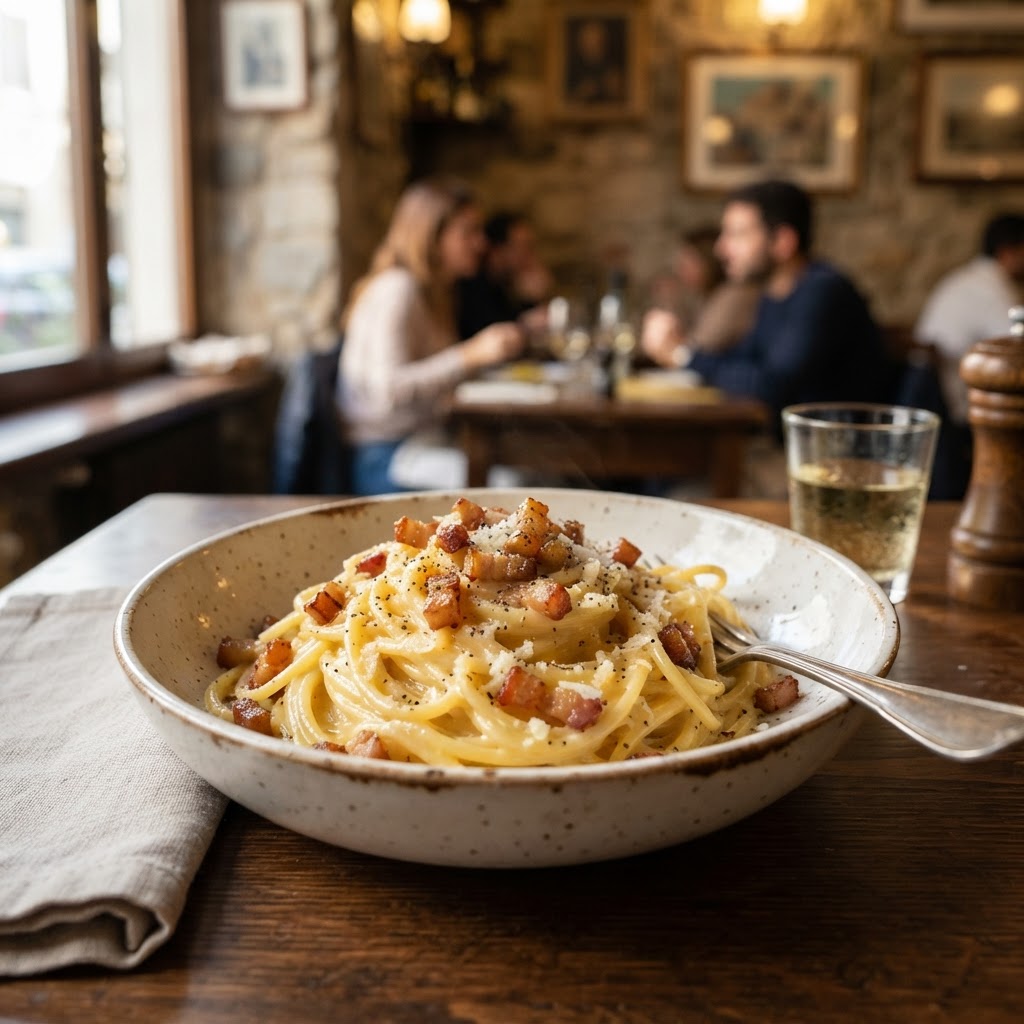
Spaghetti alla Carbonara: Rome's World War II Pasta of Eggs, Guanciale, and Pecorino
October 9, 2026